
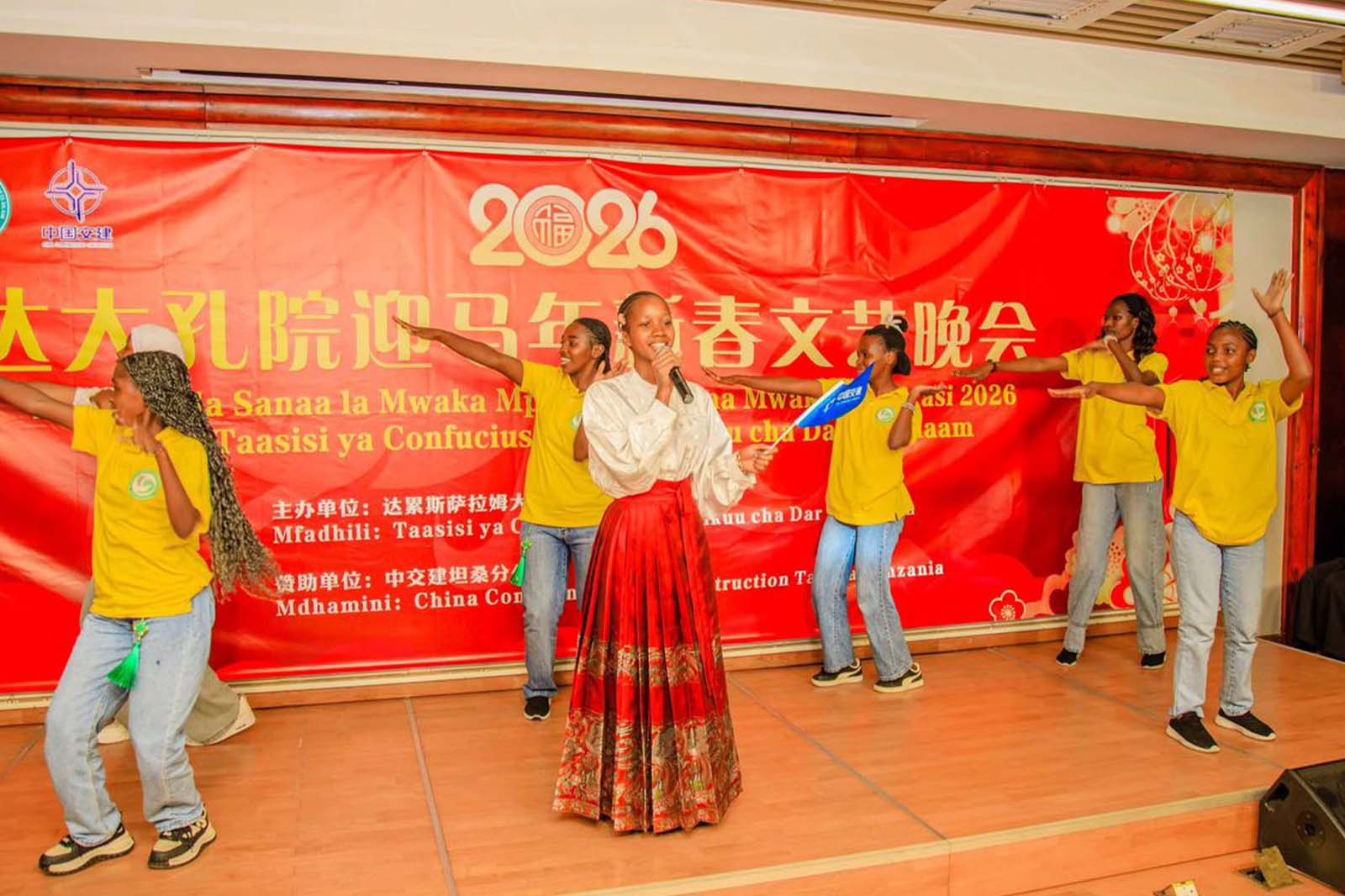
Confucius Institute at UDSM: A Rapidly Growing Tree of Culture
By Qiu Limin, President of Zhejiang Normal University
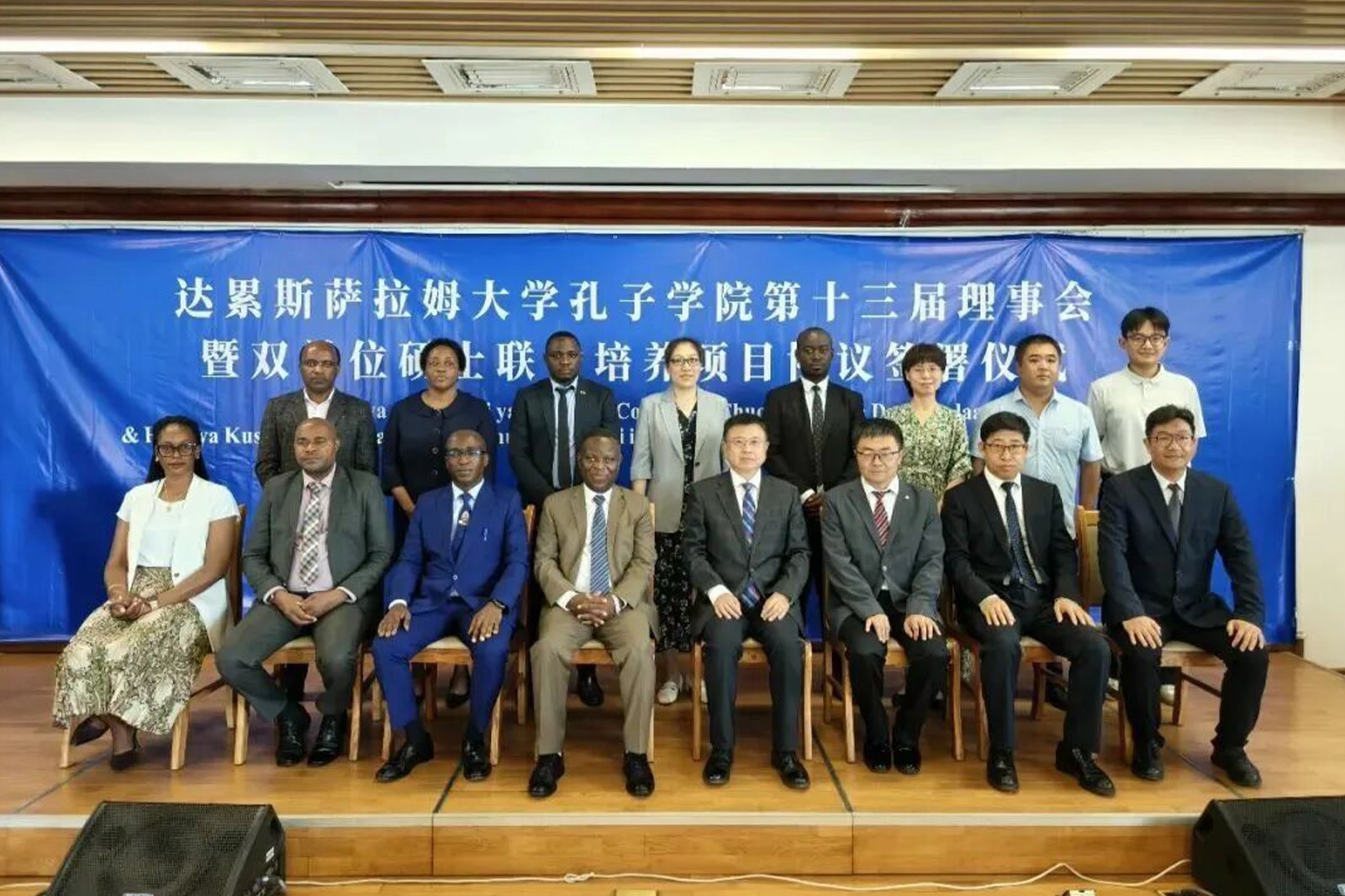
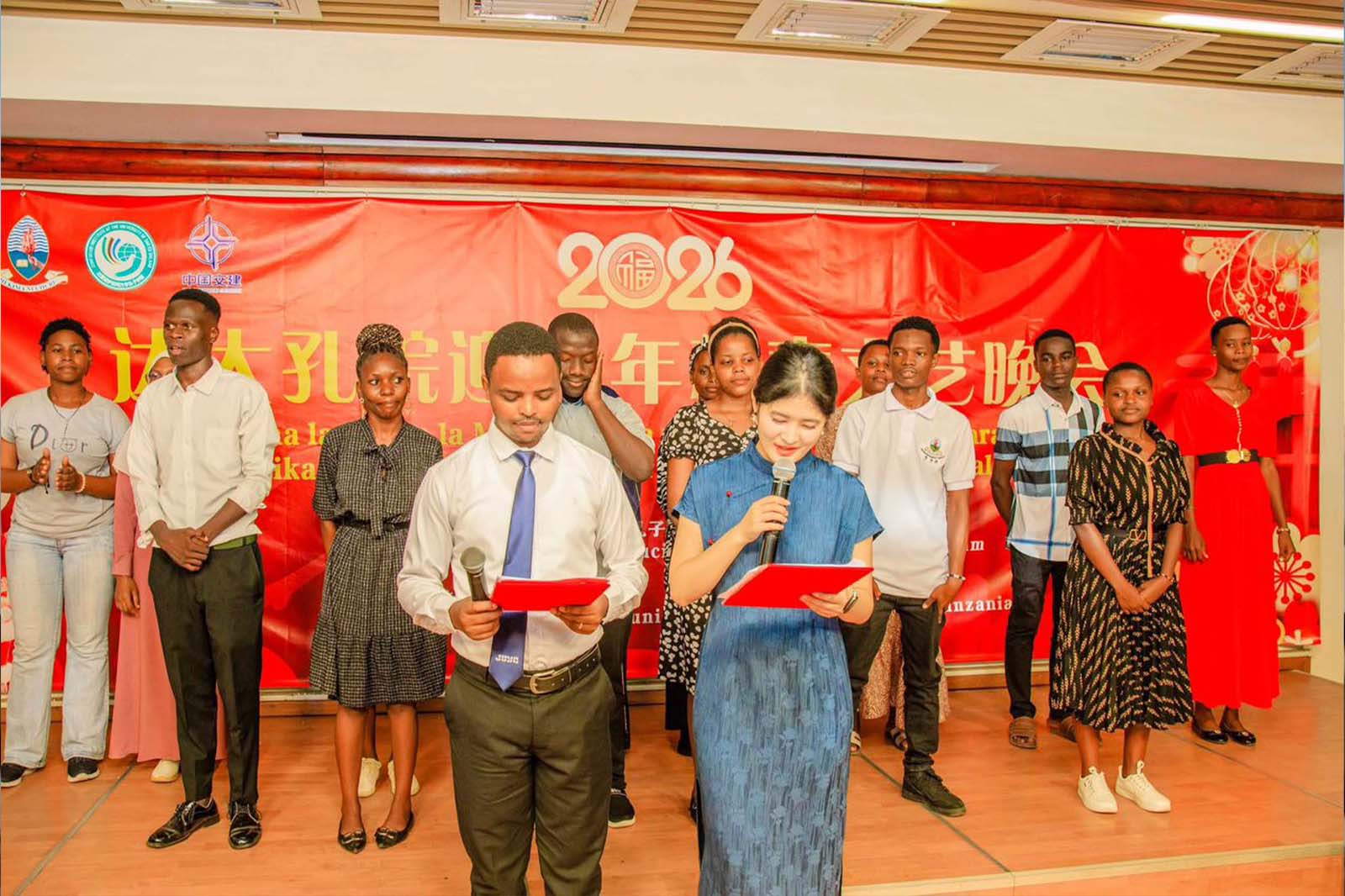
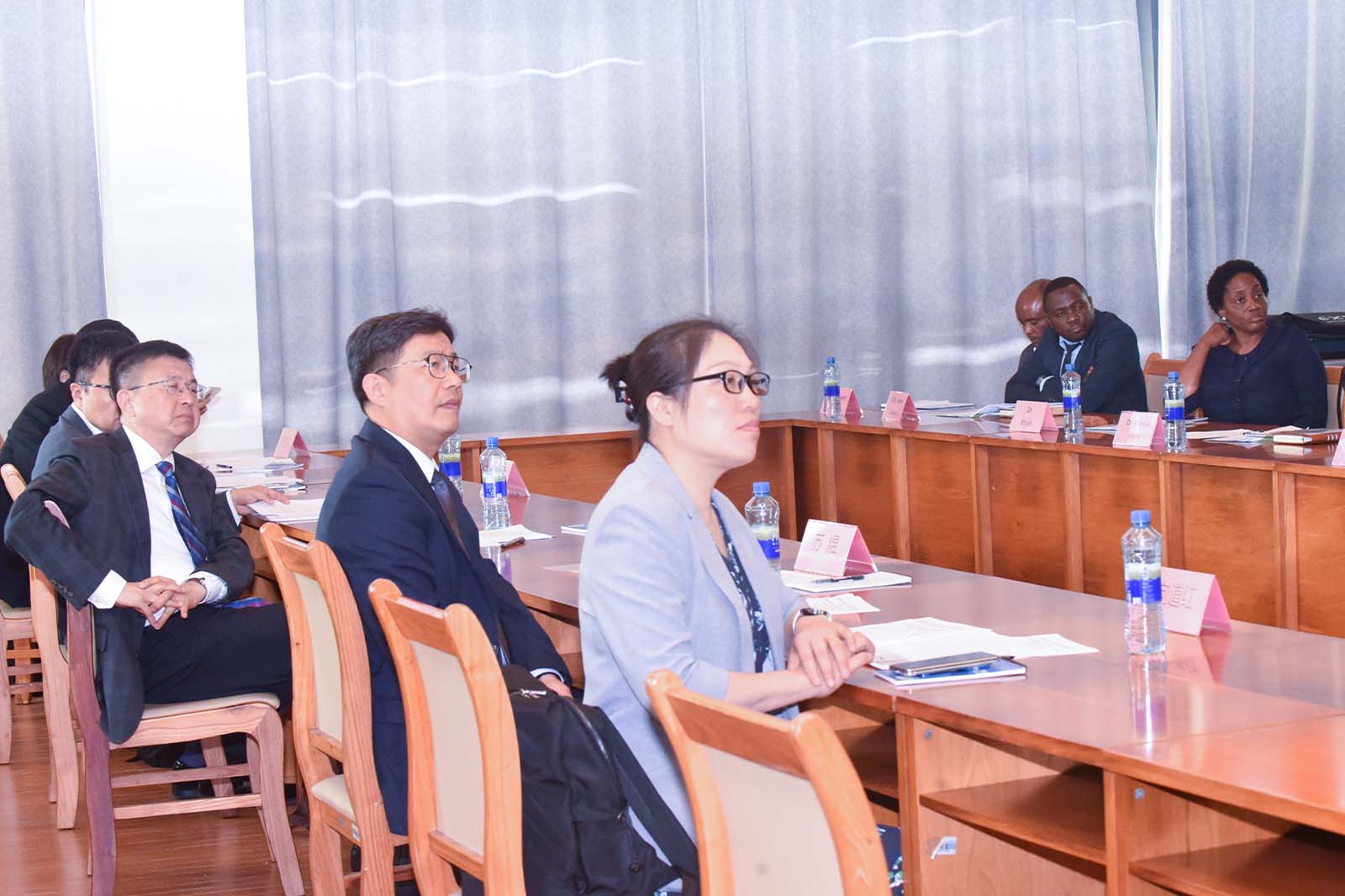
In the vibrant coastal city of Dar es Salaam, a remarkable cultural institution has steadily flourished over the past thirteen years, the Confucius Institute at the University of Dar es Salaam.
Since its establishment in 2013, the Institute has evolved from a modest initiative into a nationally recognized hub for Chinese language instruction and intercultural exchange.
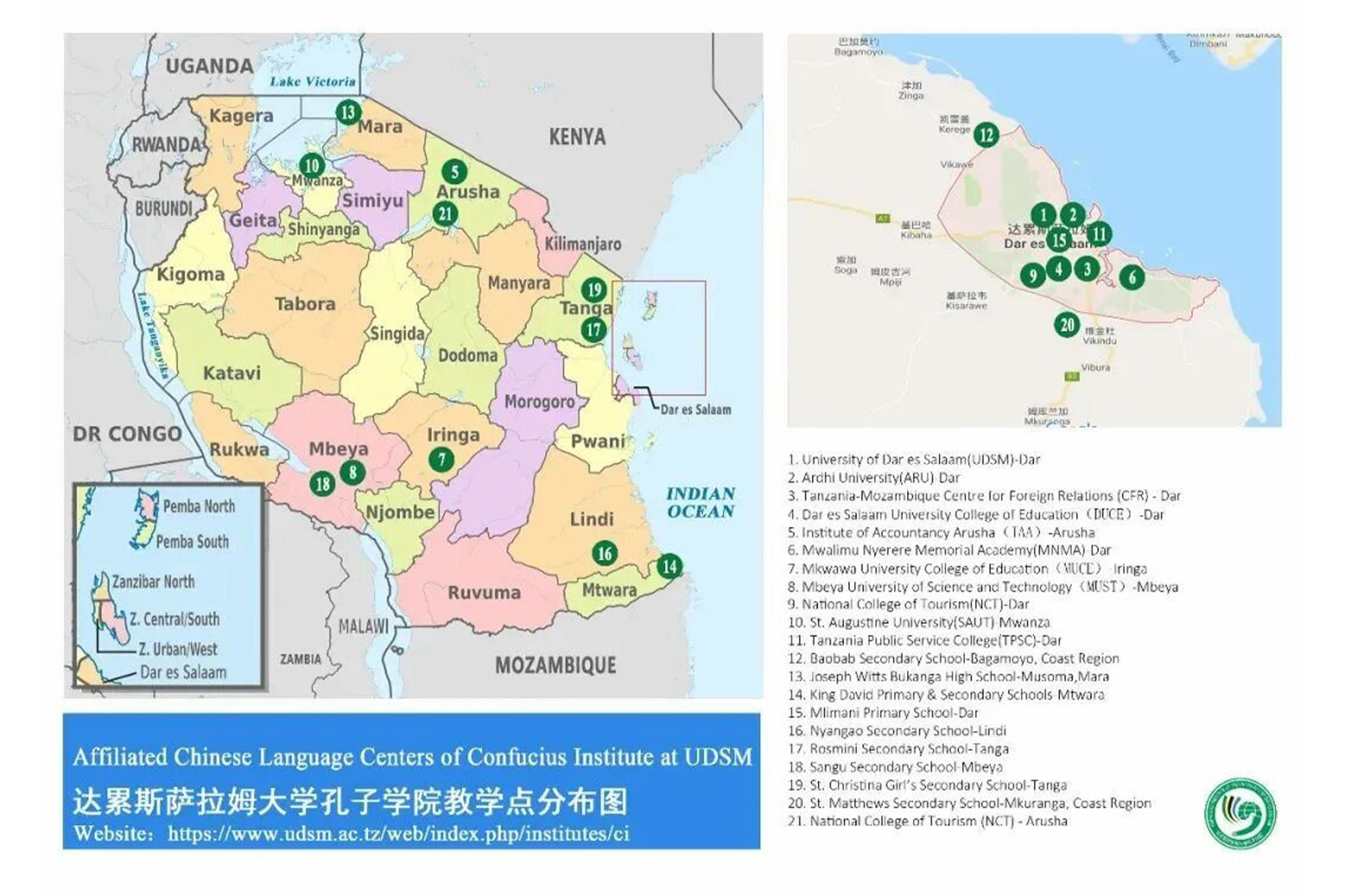
Today, with 21 teaching centers across Tanzania, the Institute stands as a strategic bridge between China and Tanzania, strengthening academic diplomacy, deepening cultural understanding, and supporting people-to-people connectivity.
The Institute’s growth is deeply rooted within the esteemed academic environment of the University of Dar es Salaam one of Africa’s leading universities. Its strong scholarly traditions and commitment to excellence have provided fertile ground for high-caliber students and a stable institutional framework.
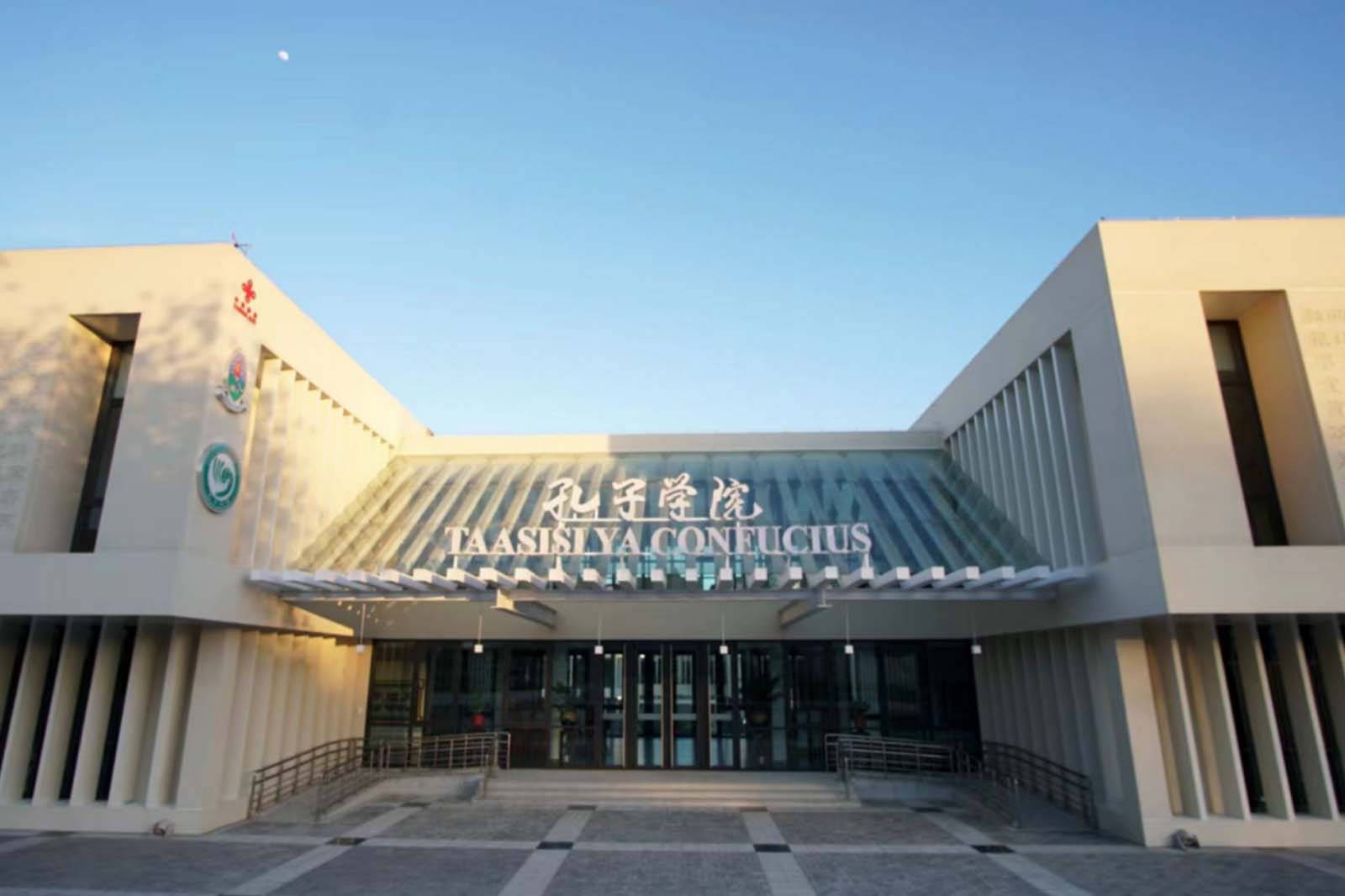
The dedicated Confucius Institute building and supporting library infrastructure, constructed with the assistance of the Government of China, symbolize the enduring friendship between the two nations.
Beyond physical infrastructure, they reflect a shared strategic vision: to advance education, foster intercultural literacy, and enhance bilateral cooperation.
The Institute’s trajectory has been shaped by visionary leadership and sustained collaboration. The Vice Chancellor of UDSM, Prof. William Anangisye, a doctoral graduate of the University of Edinburgh, has been a committed advocate for digital innovation in education and for expanding Chinese language teaching across Africa.
His academic mentor, Kenneth King, Professor of Comparative and International Education at the University of Edinburgh and Visiting Professor at Zhejiang Normal University, has further strengthened academic trust and cooperation between the institutions.
These longstanding academic linkages have cultivated a stable and forward-looking partnership environment.
On the Tanzanian side, Dr. Mussa Hans, Tanzanian Director of the Confucius Institute at UDSM, has played an instrumental role in overseeing daily operations and reinforcing institutional cohesion.
From China, four successive directors have contributed to the Institute’s development. Among them, Professor Zhang Xiaozhen served two terms, providing dedicated leadership and laying a strong institutional foundation.
The current Chinese Director, Professor Zhang Yanjun, is building upon this legacy with continuity and strategic focus, demonstrating effective leadership transition and institutional sustainability.
A Dynamic Academic and Cultural Workforce
The Institute’s expanding canopy is sustained by a team of nearly forty qualified teachers, administrators, and volunteers.
Deployed across multiple teaching centers, this diverse and energetic workforce serves not only as instructors of language and culture but also as ambassadors of friendship between China and Tanzania. Their collective commitment has amplified the Institute’s visibility and strengthened its impact nationwide.
In January 2026, during a formal university meeting, the Vice Chancellor announced a landmark decision: the Confucius Institute would be elevated to an independent academic unit under the University of Dar es Salaam.
This strategic upgrade provides a stronger legal and administrative foundation for its academic programs and positions the Institute for structured expansion and institutional consolidation.
While the Institute has grown rapidly, the next phase calls for deeper institutional strengthening robust governance systems, sustainable resource mobilization, and enhanced digital and administrative integration. The imperative is clear: growth must not only extend outward through expansion but also deepen inward through resilient foundations capable of withstanding future challenges.
Reflecting on its thirteen-year journey, the Confucius Institute at UDSM is far more than a language center. It represents a flagship platform for Sino–Tanzanian cultural diplomacy. Supported by visionary leadership, intergenerational commitment, and a shared belief in educational partnership, it continues to mature into a model of sustainable international collaboration.
With patience, strategic discipline, and sustained investment in academic excellence, the tree planted in Africa’s fertile soil will continue to grow expanding its shade, deepening its roots, and delivering lasting value for generations to come.