
Celebrating Mwalimu Julius Nyerere Beyond Promises: Why Young People Must Have a Voice in Shaping Their Future
By Erca Kisoli, CMU
Young people cannot be expected to drive sustainable development if they are excluded from the decisions that shape their lives. That was a central message at a symposium held at the University of Dar es Salaam (UDSM), where academics and development partners called for greater investment in youth education, equal opportunities and meaningful participation in decision-making.
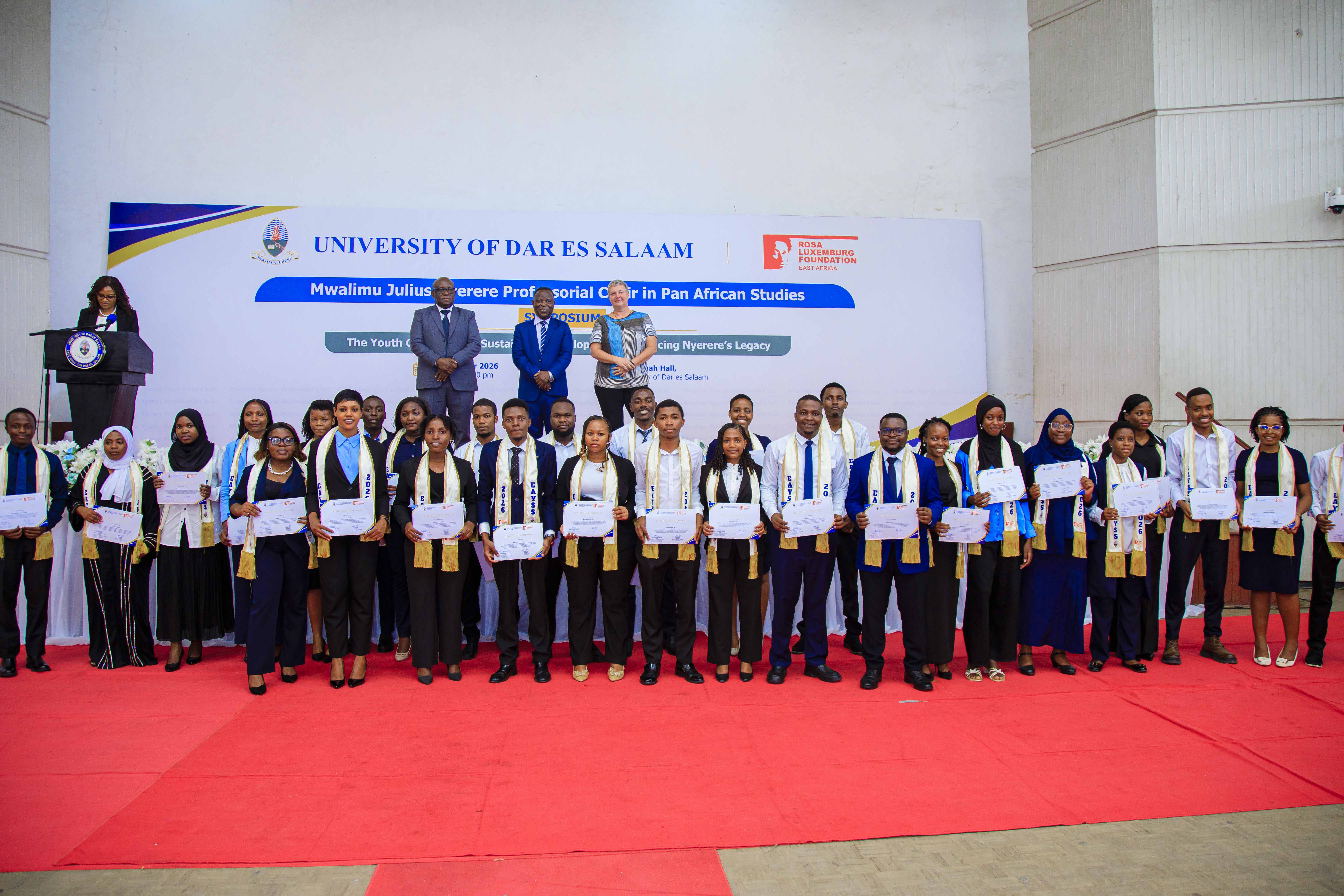
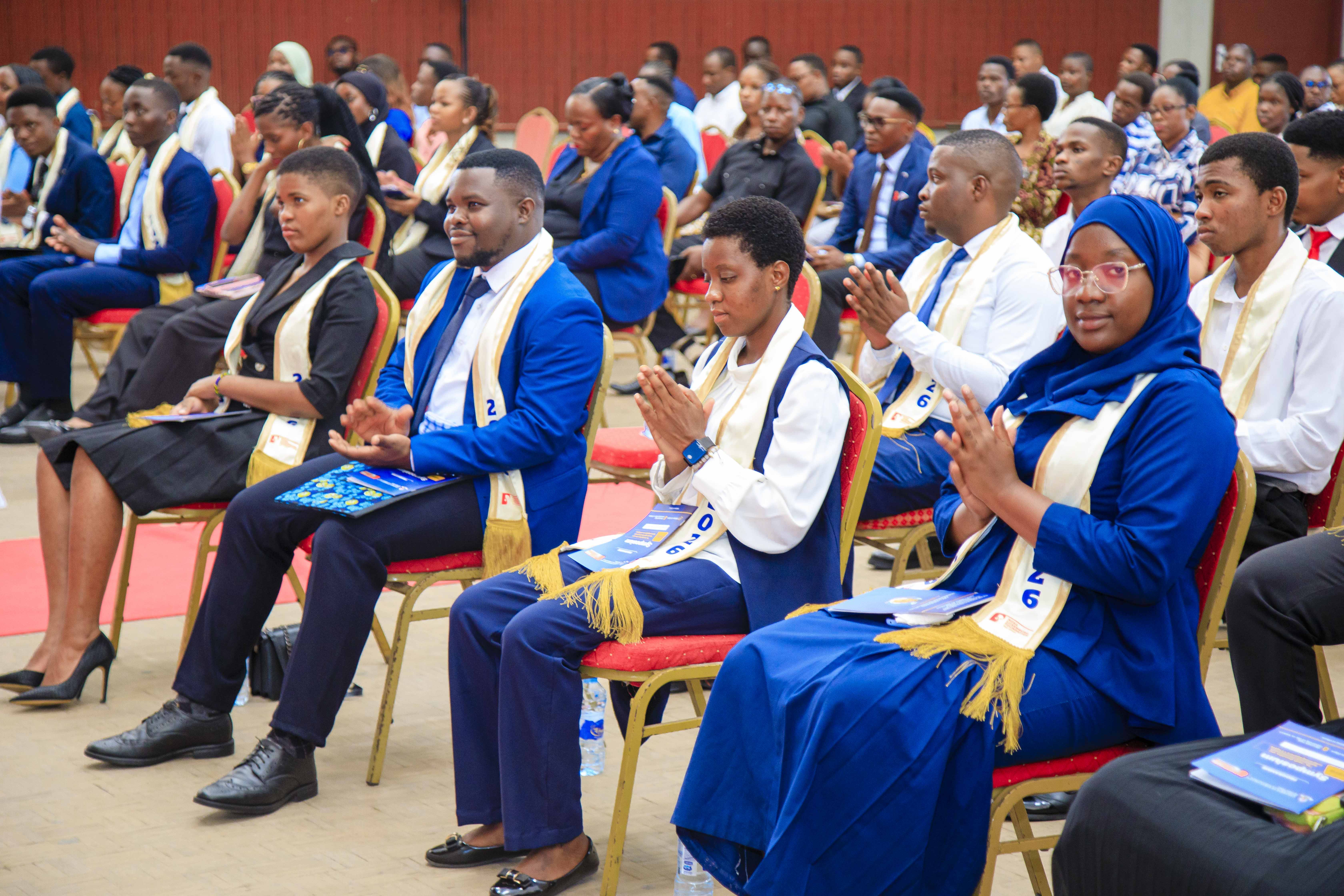
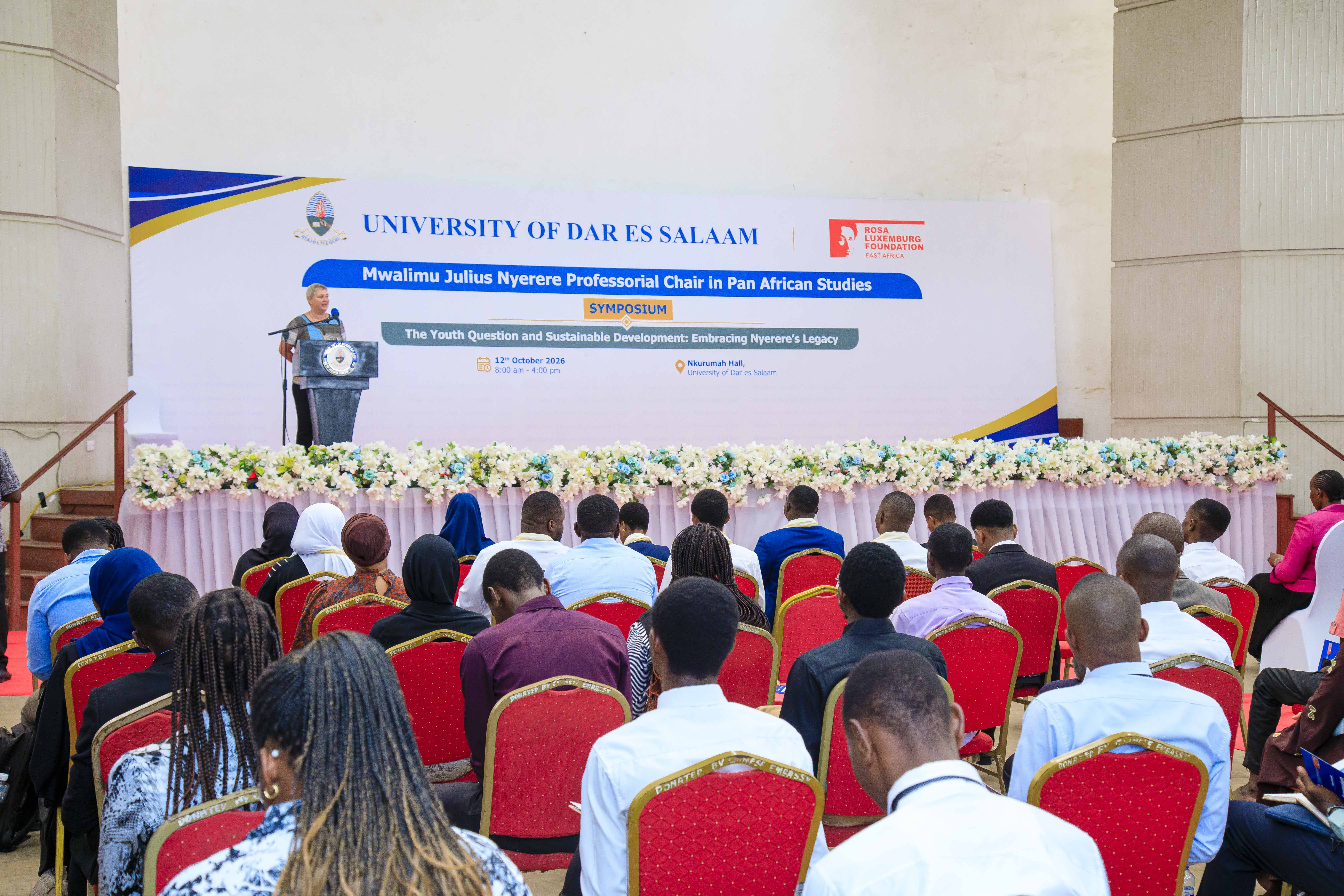
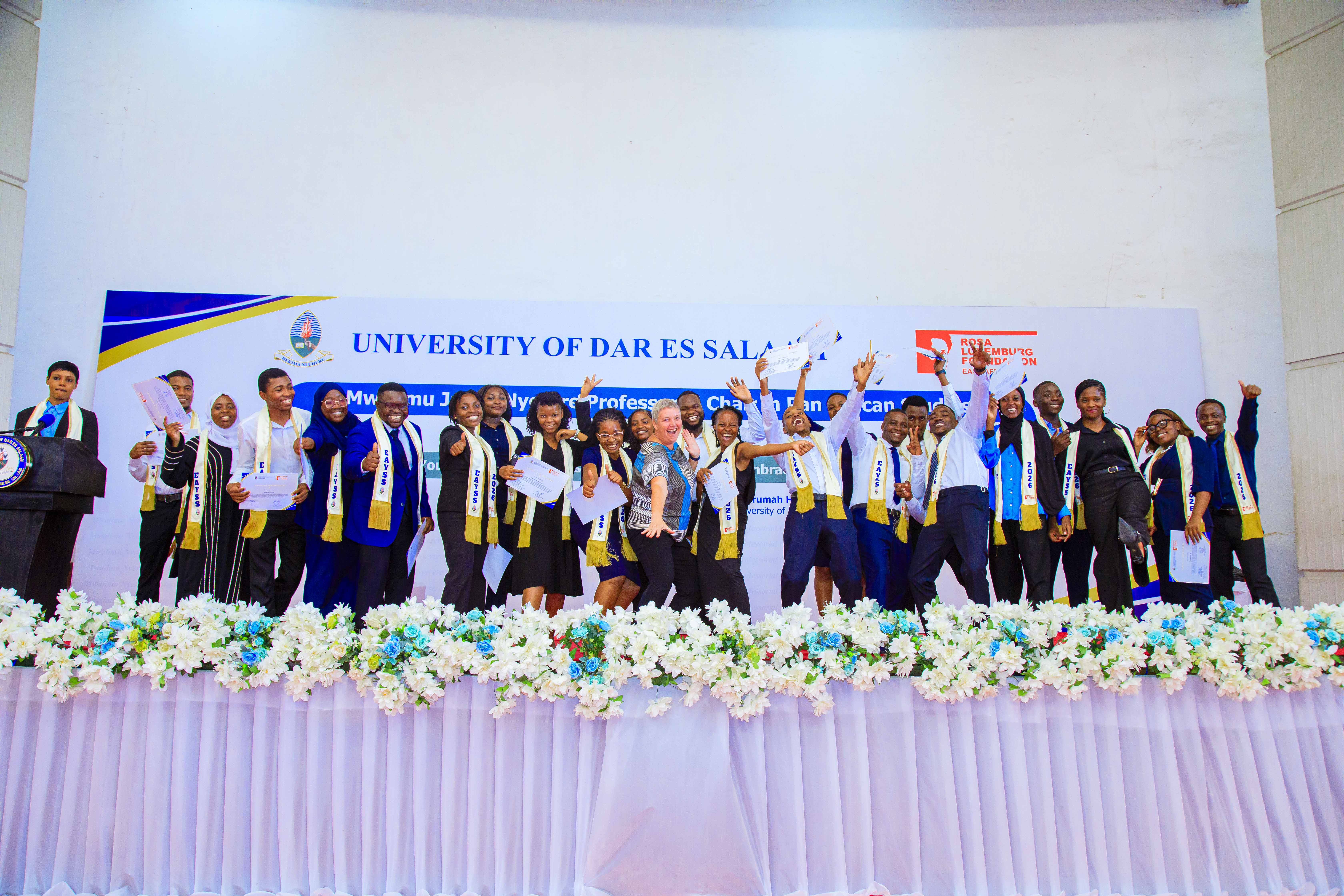
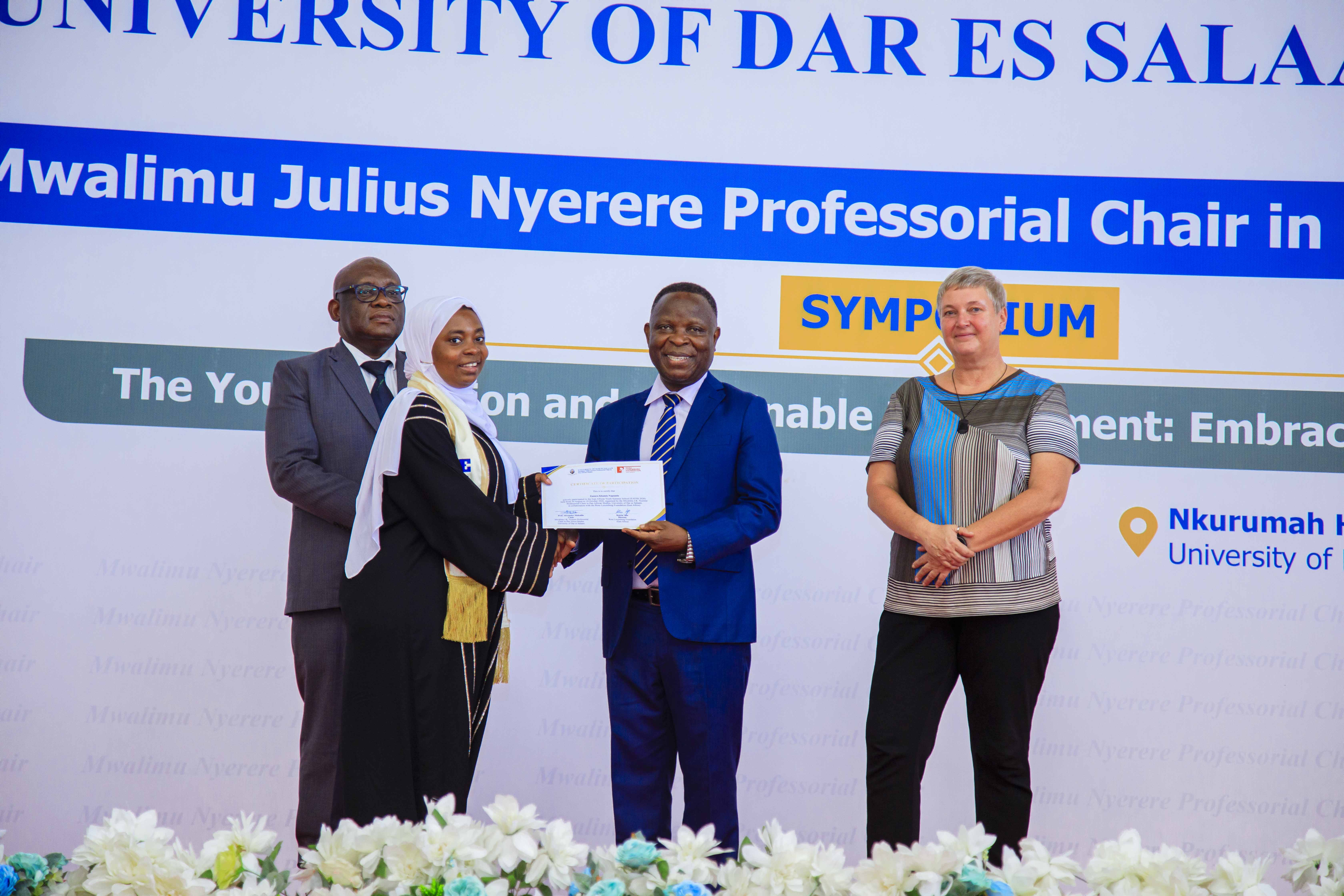
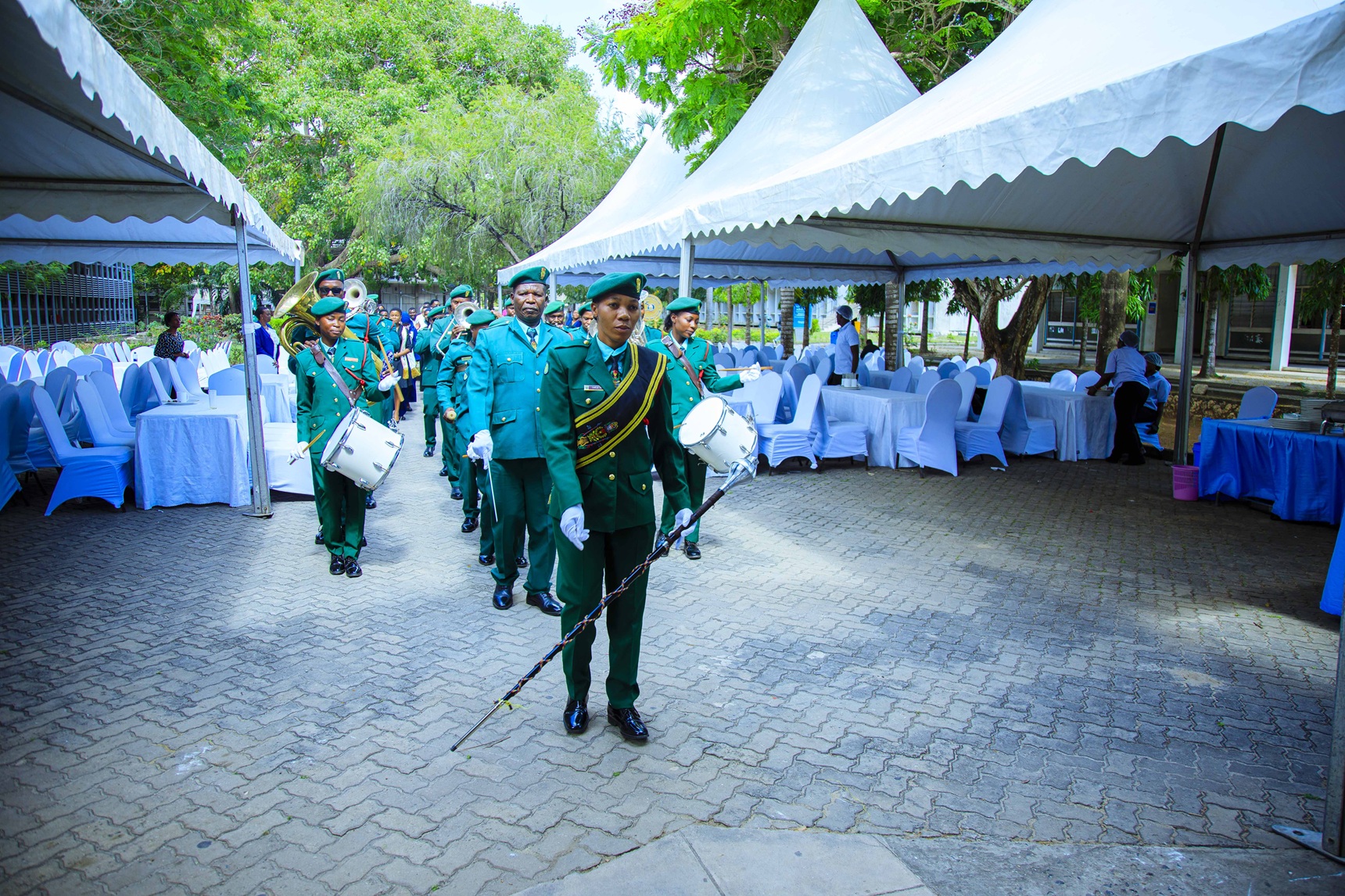
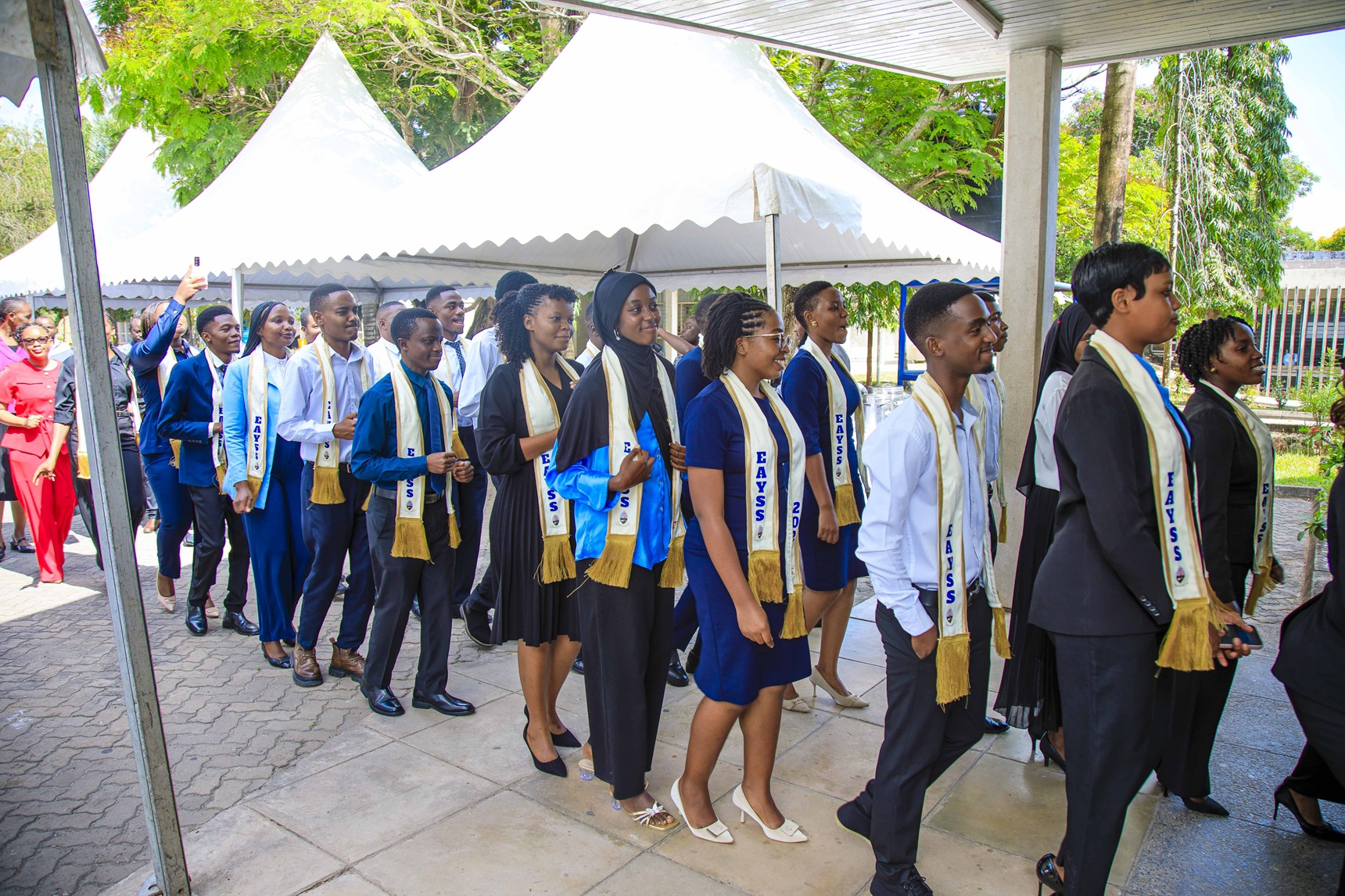
Held at Nkrumah Hall under the theme “The Youth Question and Sustainable Development: Embracing Nyerere’s Legacy,” the symposium marked the conclusion of the East African Youth Summer School 2026.
It brought discussions on youth leadership and development into focus, drawing on the ideas of Mwalimu Julius K. Nyerere and their relevance to the challenges facing young people today.
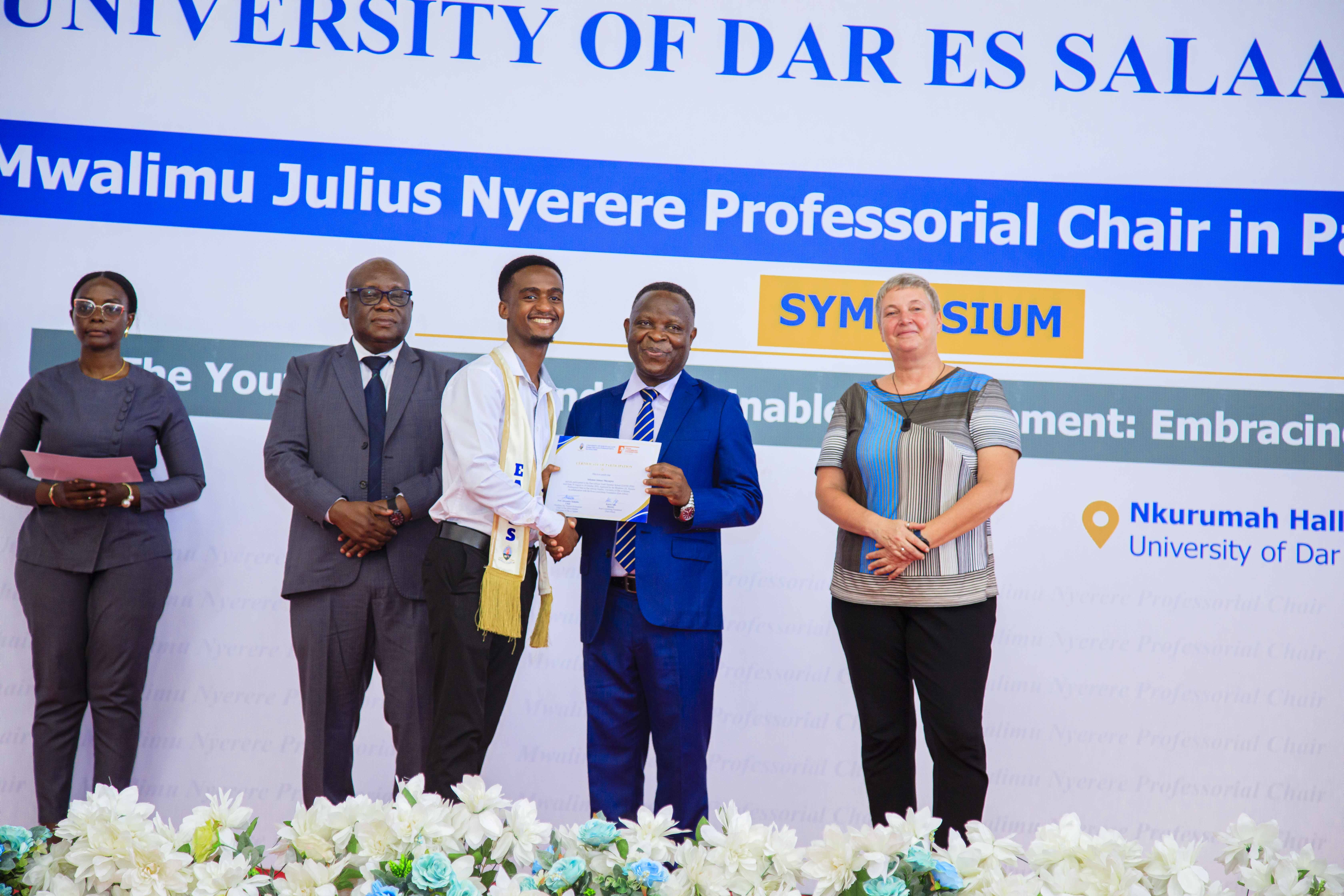
Closing the symposium, UDSM Vice Chancellor Prof. William A. L. Anangisye stressed the importance of connecting academic knowledge with society’s needs and equipping young people with practical and professional skills.
Reflecting on Nyerere’s educational philosophy, he said, “Education must prepare people to participate actively and responsibly in society.”
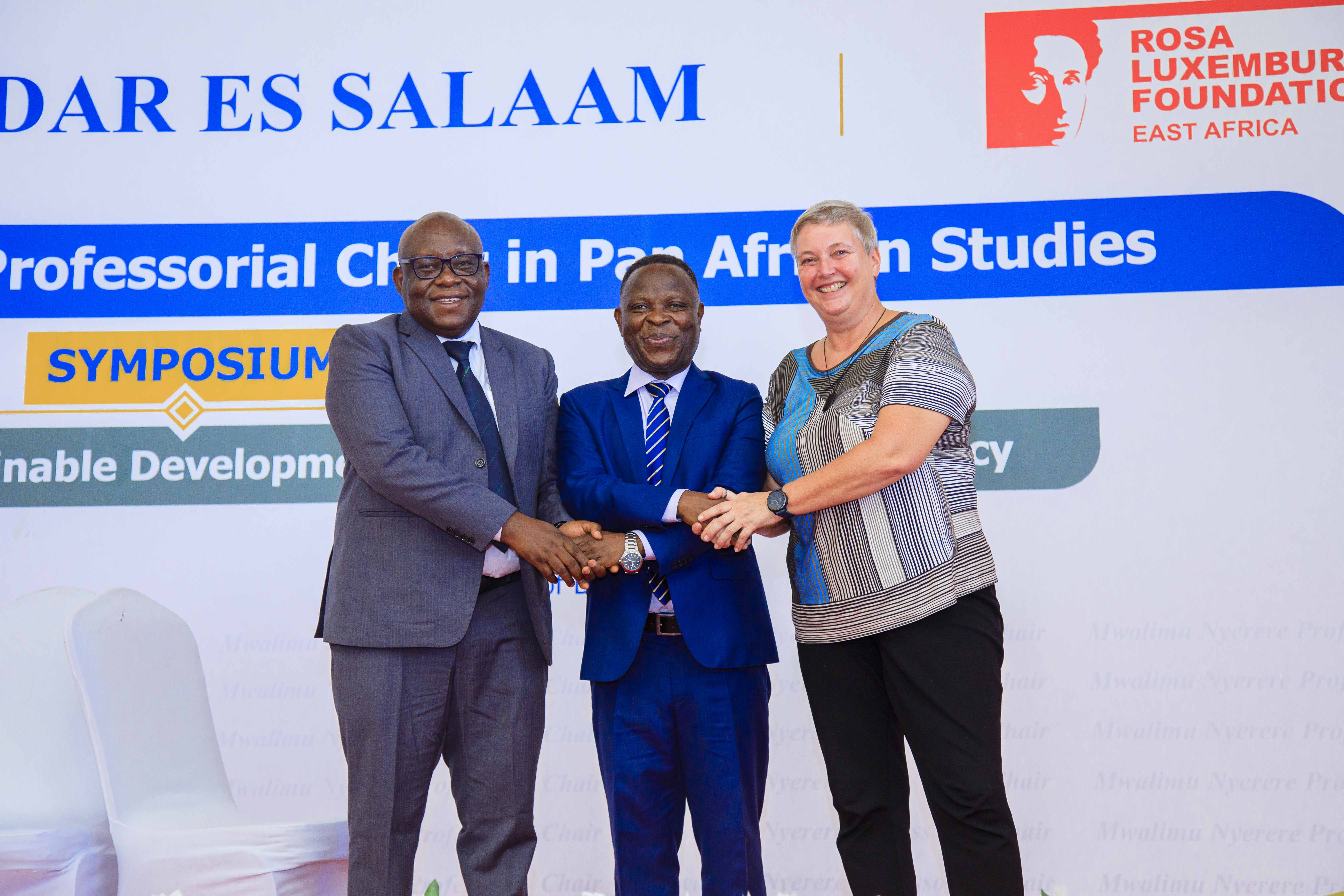
The Vice Chancellor commended the Mwalimu Julius K. Nyerere Professorial Chair in Pan-African Studies, the Rosa Luxemburg Foundation and the organising team for supporting youth learning, intellectual exchange and leadership development.
Meanwhile, for the speakers of this symposium, the question was not simply how young people could be prepared for the future, but how they could participate in shaping it.
Prof. Alexander Makulilo, Chair of the Mwalimu Julius K. Nyerere Professorial Chair in Pan-African Studies, said young people’s knowledge, skills and innovative ideas were essential to development.
However, he stressed that leadership should be understood as a commitment to serve rather than an opportunity to hold positions of authority.
“Leadership is not achieved by occupying positions of authority; it is about accepting responsibility to serve others, acting with integrity, and contributing to the common good,” Prof. Makulilo said.
His message placed responsibility and service at the heart of youth leadership, challenging young people to see their contribution to society as extending beyond formal titles or positions.
Prof. Christine Noe, Principal of UDSM’s College of Social Sciences, emphasised that Nyerere’s philosophy of education, equality and self-reliance remained relevant to the opportunities available to young people.
She argued that young people must be equipped with the knowledge and freedom to make decisions about their lives rather than being treated merely as beneficiaries of development programmes.
“Young people cannot be treated simply as recipients of development. They need access to knowledge and opportunities, as well as the freedom to make choices about their own lives and contribute meaningfully to their communities,” Prof. Noe said.
Her remarks underscored a key challenge in youth development: providing education and training is important, but young people must also have opportunities to apply what they learn, influence decisions and participate in addressing challenges within their communities.
Rethinking what development means
In his keynote address, Dr. Abunuwasi Mwami questioned why Tanzania’s abundant natural resources coexist with persistent poverty and inadequate access to essential services in some communities.
Drawing on Nyerere’s philosophy, he challenged the idea that natural wealth alone guarantees development, emphasising the need to assess progress by its impact on people’s welfare and living conditions.
The discussion connected the youth question to a broader development challenge: ensuring that national resources and economic progress translate into tangible improvements in people’s lives, including better opportunities for young people.
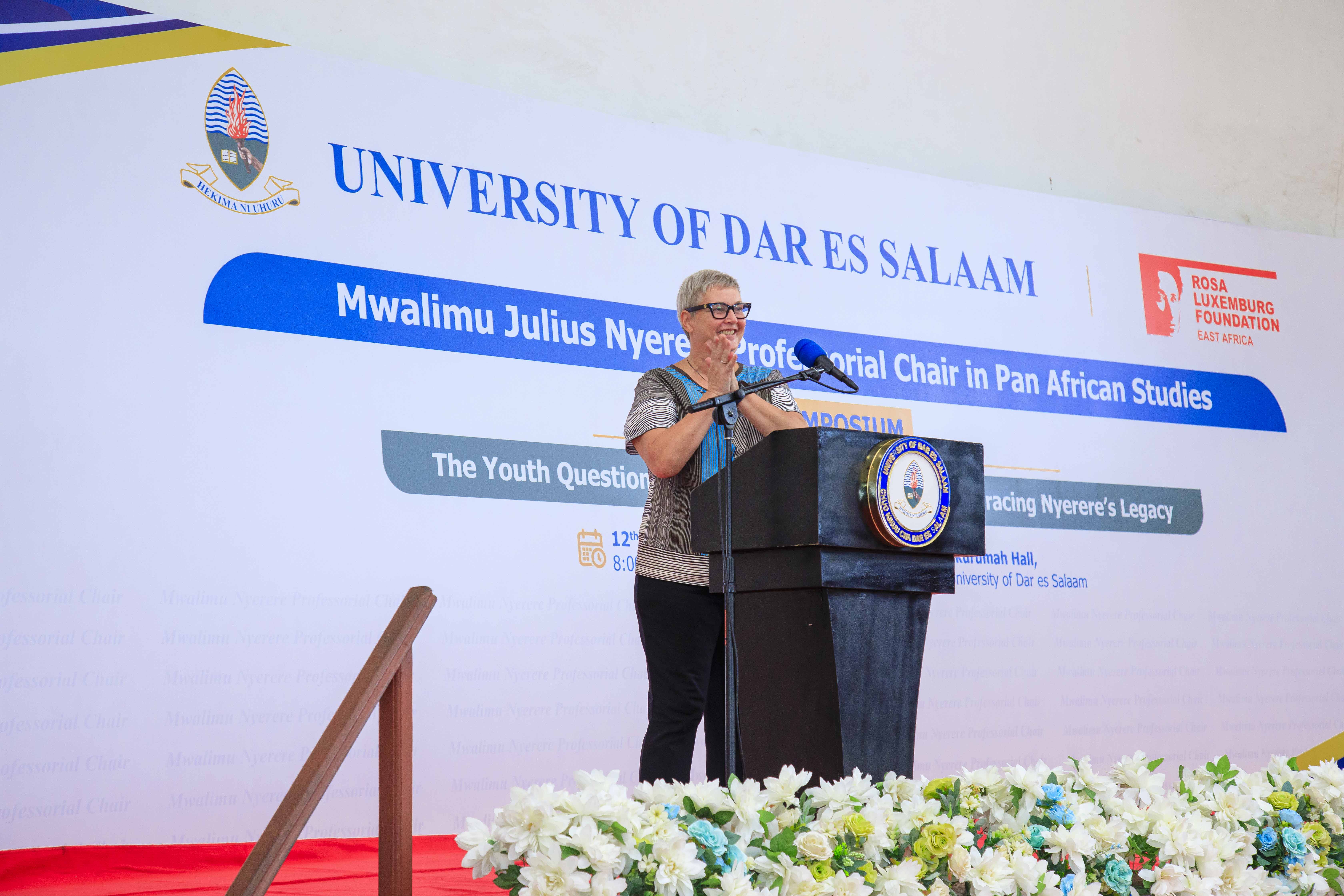
Katrin Voss, Director of the Rosa Luxemburg Foundation, commended the partnership between the Foundation and UDSM in organising the programme. She acknowledged the challenges encountered during its preparation and implementation but described the collaboration as successful.
Voss reaffirmed the Foundation’s commitment to promoting equality and exploring alternatives to economic systems that perpetuate exploitation, highlighting the importance of partnerships that create space for critical discussion about development and social justice.
The symposium concluded the East African Youth Summer School 2026 with a call to move beyond discussions about young people’s potential towards creating conditions in which they can put their knowledge, skills and ideas to work.
For the young people at the centre of these discussions, the message was clear: sustainable development requires more than preparing the next generation to inherit existing systems. It requires giving them the education, opportunities and space to question those systems, contribute solutions and participate meaningfully in decisions affecting their future.
By bringing academic debate together with questions of equality, leadership and social responsibility, the symposium renewed attention to Nyerere’s legacy and its relevance to building a more inclusive and sustainable future for Tanzania and the wider East African region.