From 11 New Species to a New Generation of Scientists: UDSM, Natural History Museum Renew Partnership
By Gladys Mattaka, CMU
The University of Dar es Salaam (UDSM) and the Natural History Museum, London, are deepening a five-year partnership that has already contributed to the discovery of 11 amphibian species new to science, postgraduate training and a growing body of scientific research on Tanzania’s biodiversity.
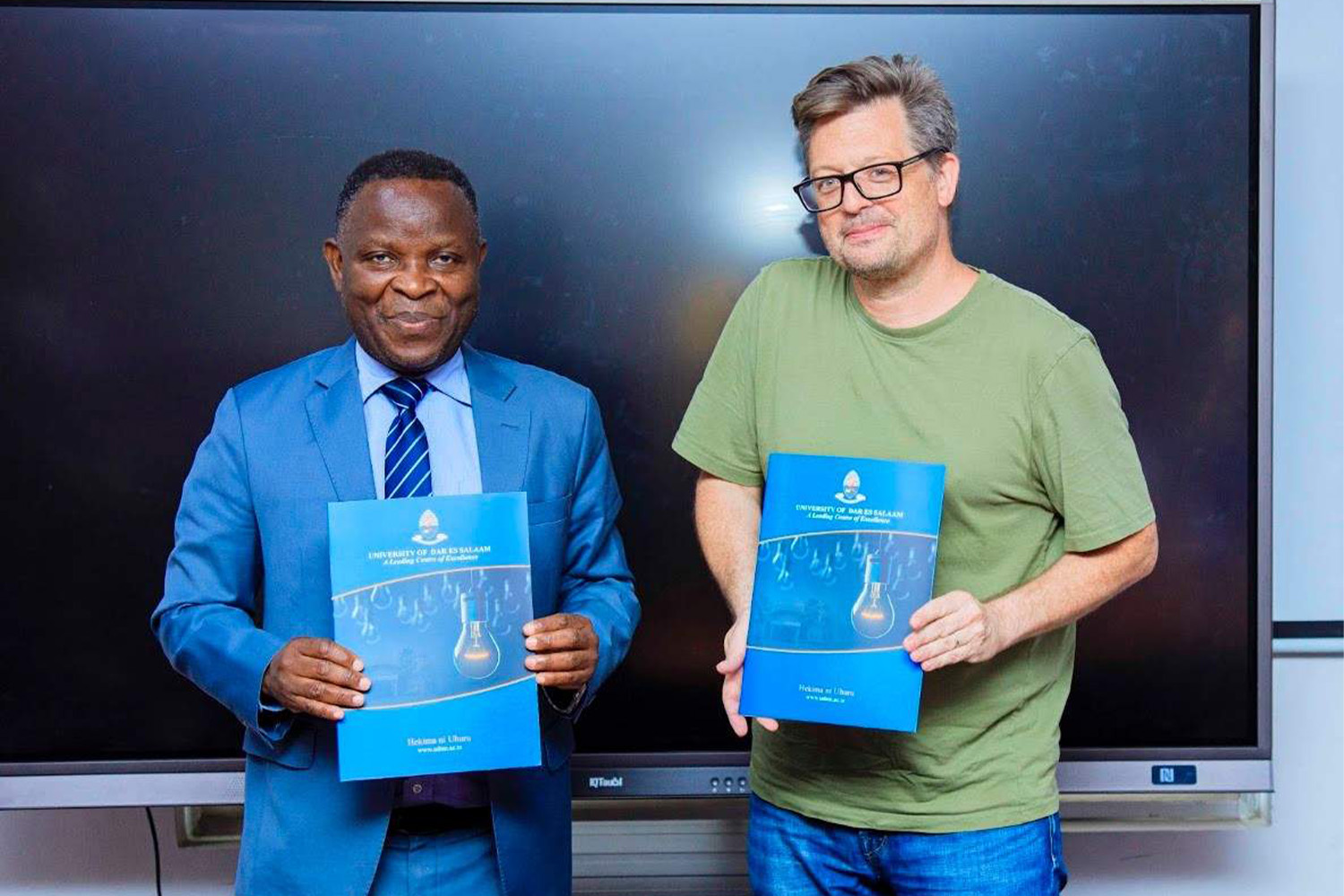
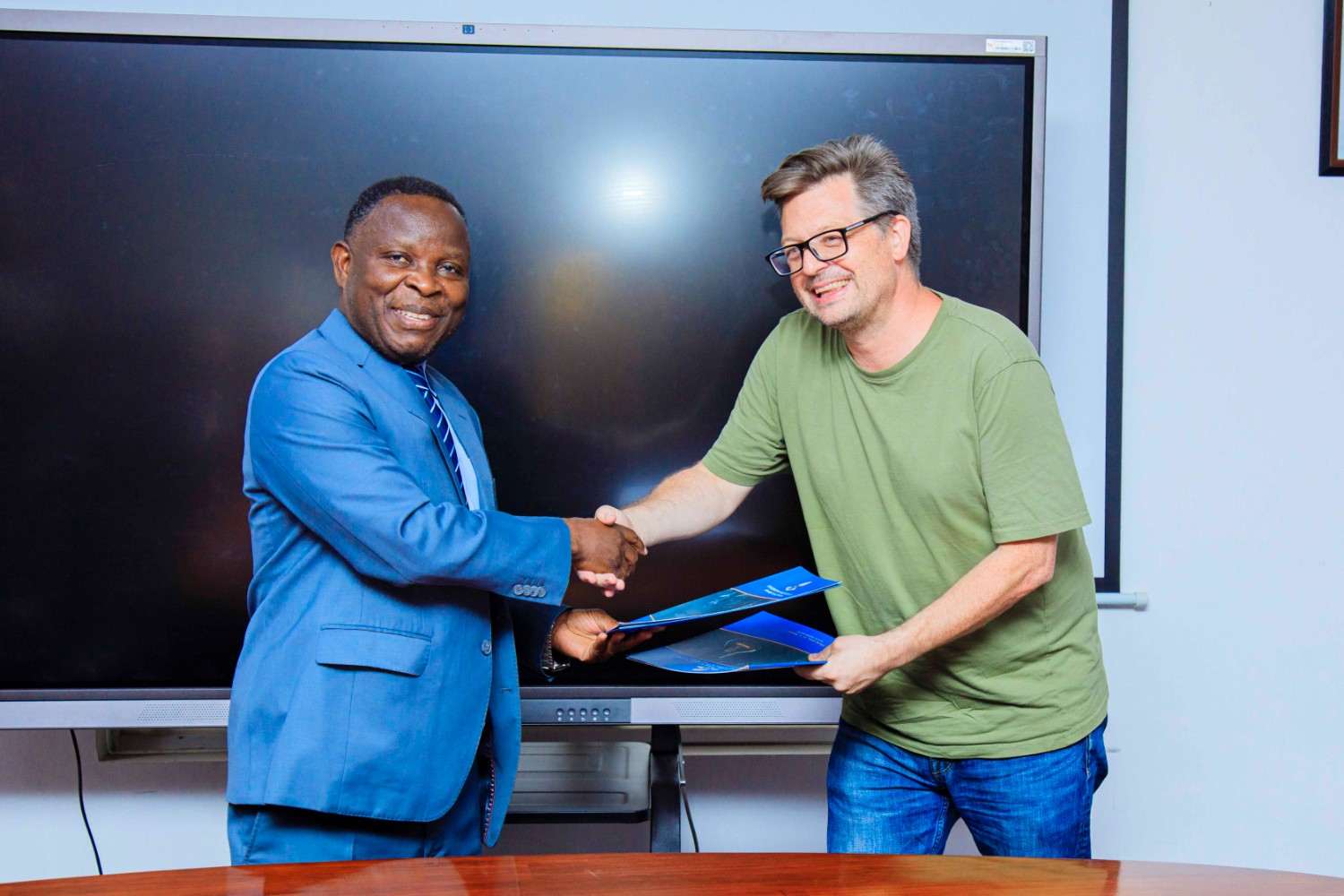
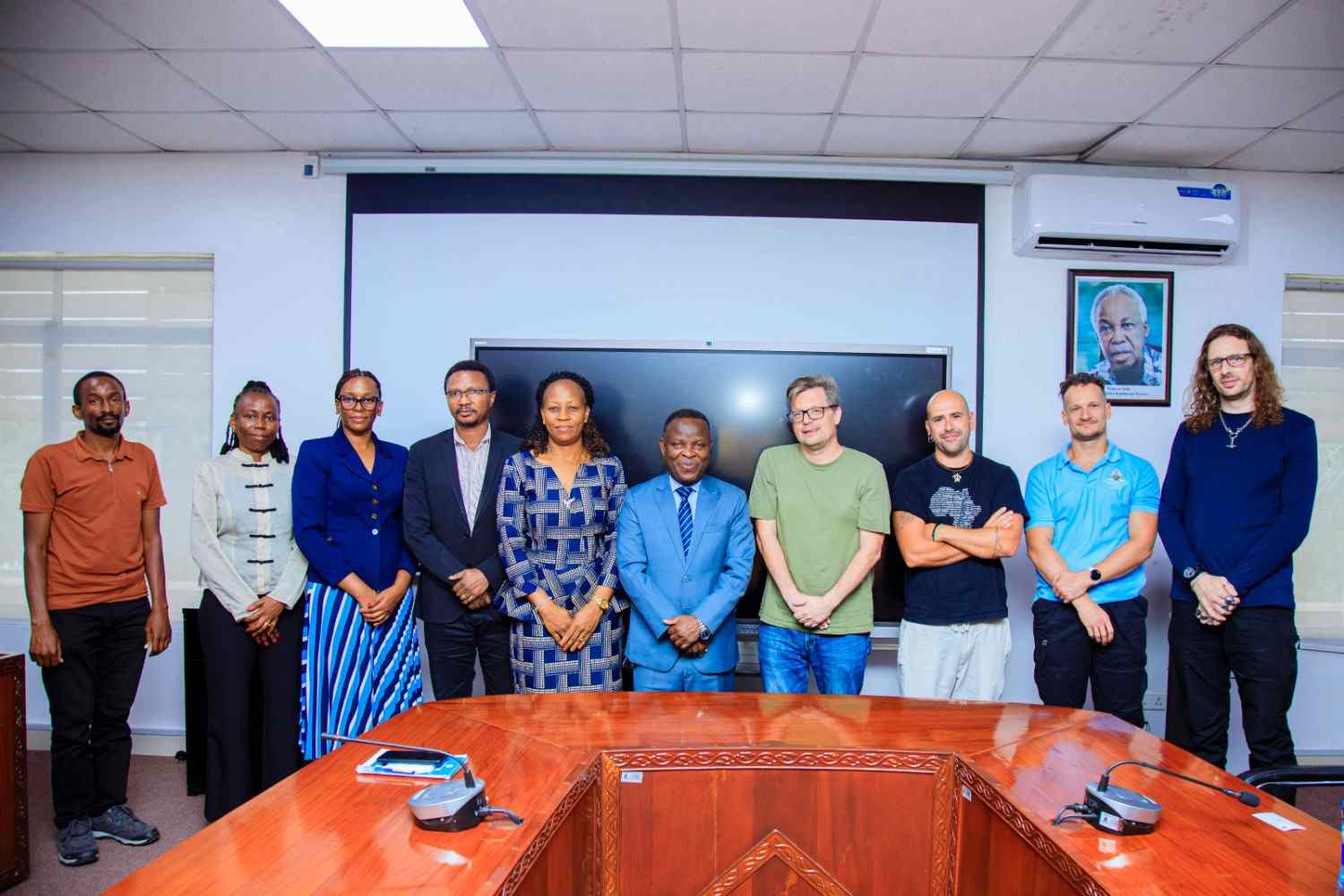
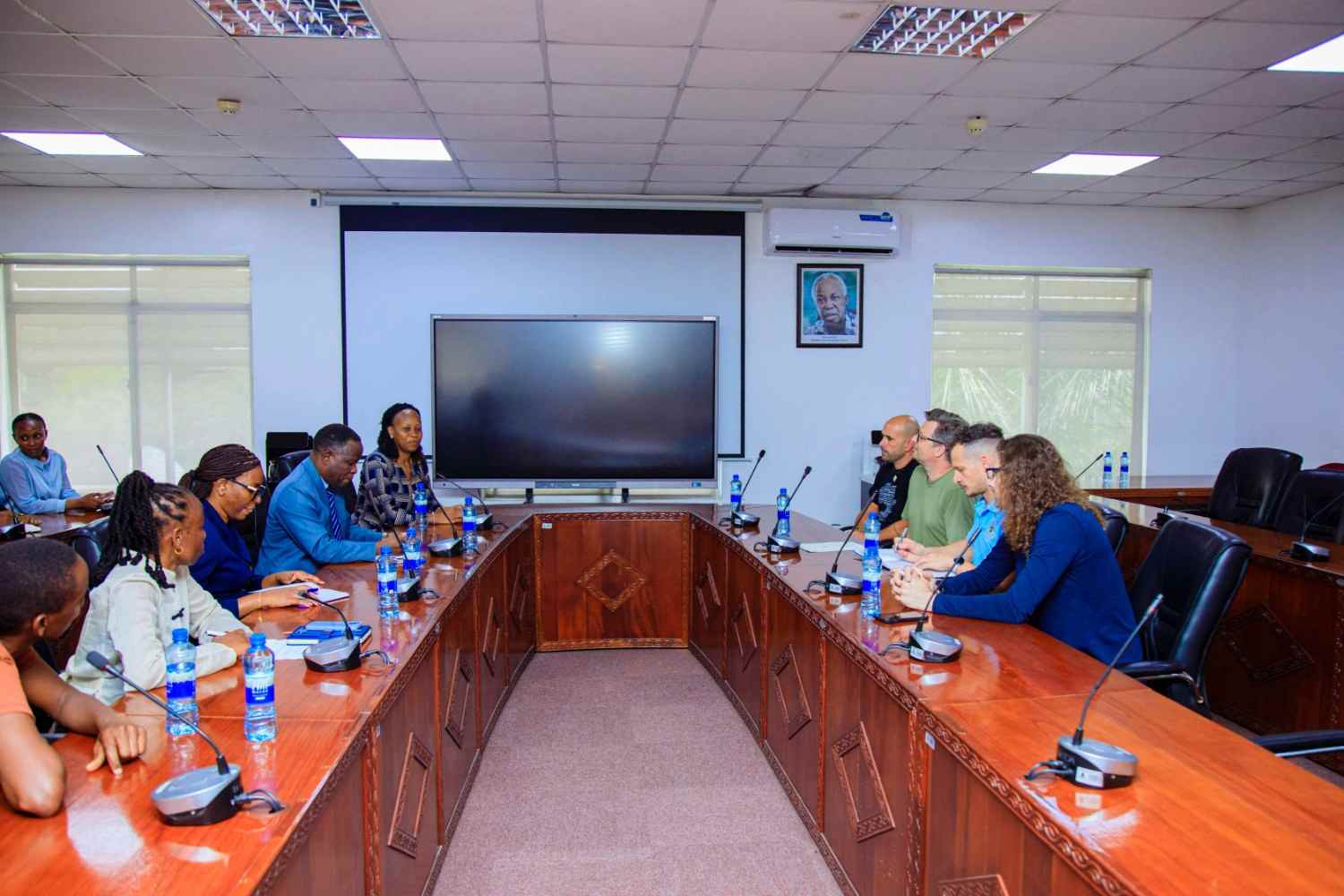
The institutions renewed their partnership at UDSM on 14 September 2026, setting the stage for expanded collaboration in biodiversity research, postgraduate training, fieldwork and the development of the University’s zoological collections.
For UDSM Vice-Chancellor Prof. William A. L. Anangisye, the renewed partnership is not simply about extending an existing agreement, but about building on a collaboration that is already helping develop the next generation of scientists capable of documenting and protecting Tanzania’s rich biological heritage.
“We are pleased to welcome our colleagues back to UDSM. This partnership has helped our researchers and students contribute to the study of Tanzania’s wildlife. Renewing it gives us an opportunity to strengthen that work and prepare more young scientists to carry it forward,” Prof Anangisye said.
The results of the partnership are already visible. The previous five-year agreement, which began in 2020, supported one PhD researcher and four master’s students, while research undertaken through the collaboration contributed to 10 scientific publications and the description of 11 amphibian species previously unknown to science.
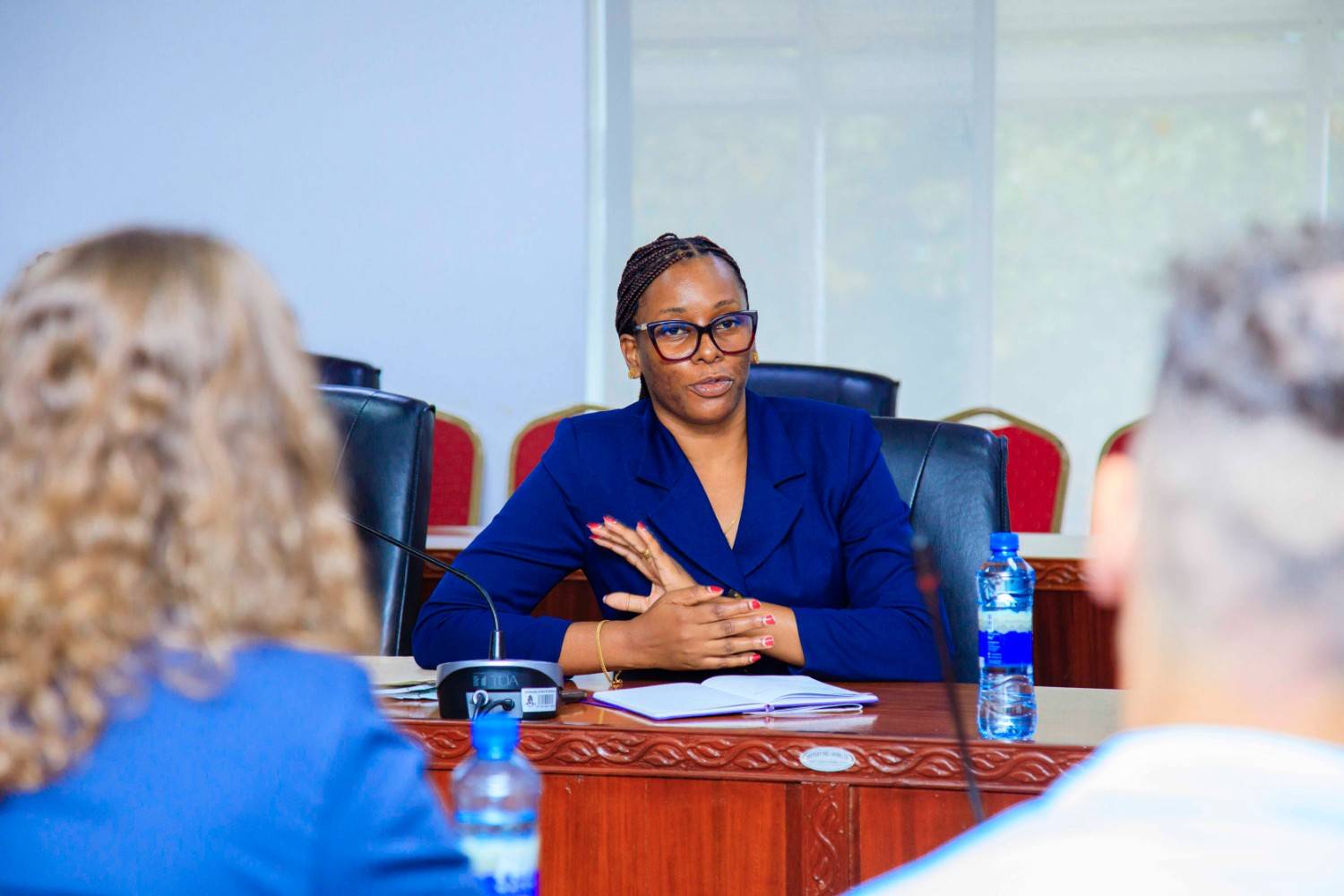
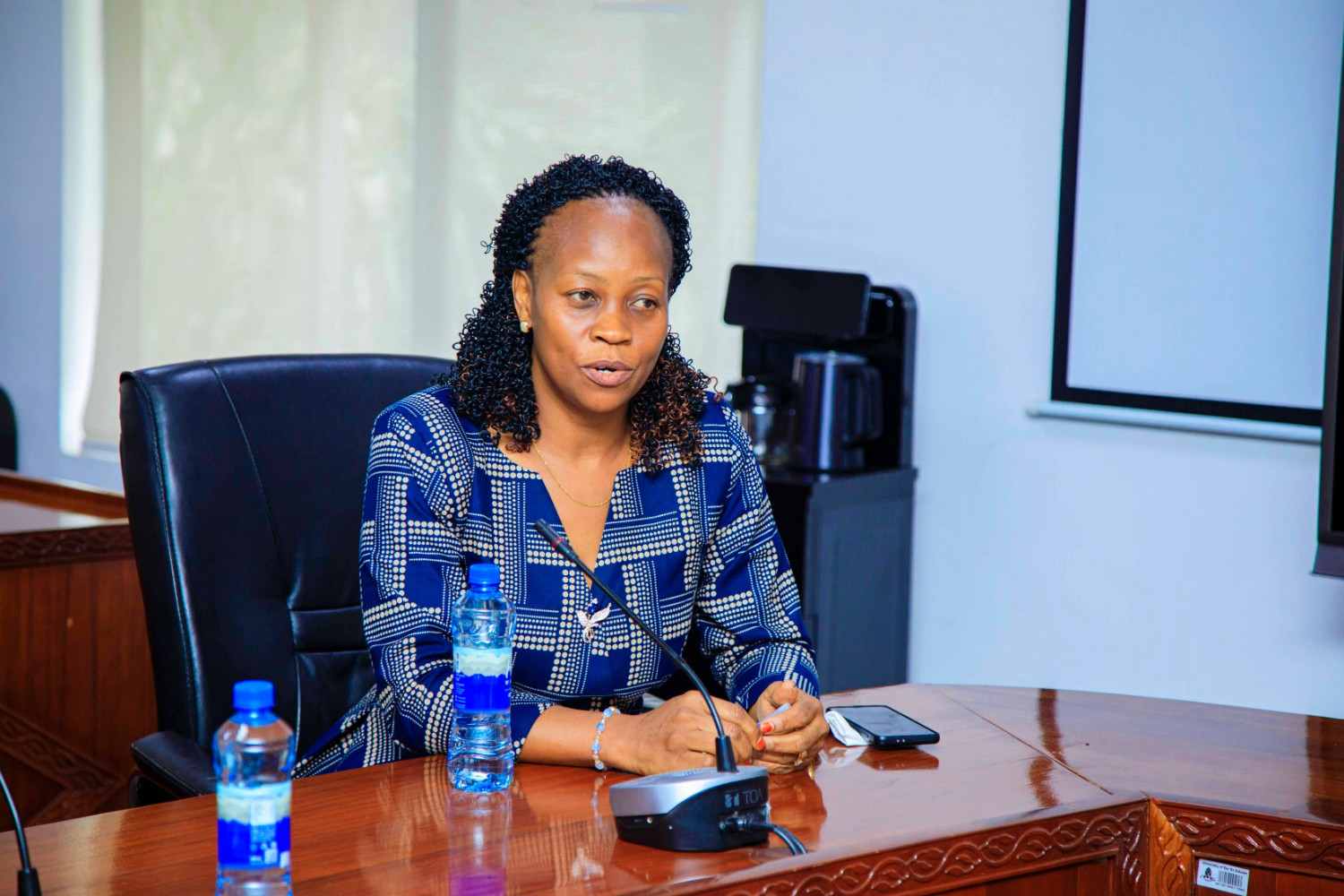
Prof. Flora Magige, Principal of UDSM’s College of Natural and Applied Sciences, said the partnership is also strengthening an often less visible but critical part of biodiversity science—the preservation of specimens that allow scientists to study species long after fieldwork has ended.
“A collection becomes valuable when specimens are properly collected, curated and preserved for others to study. Our work with the Natural History Museum is helping us improve those skills, strengthen our zoological museum and train the people who will care for its collections in the years ahead,” Prof Magige said.
The collaboration is being implemented largely through UDSM’s Department of Zoology and Wildlife Conservation, which works across a wide range of animal groups, from invertebrates to vertebrates. Its work involves not only studying animals in the field, but also collecting, documenting, curating and preserving specimens for teaching and research.
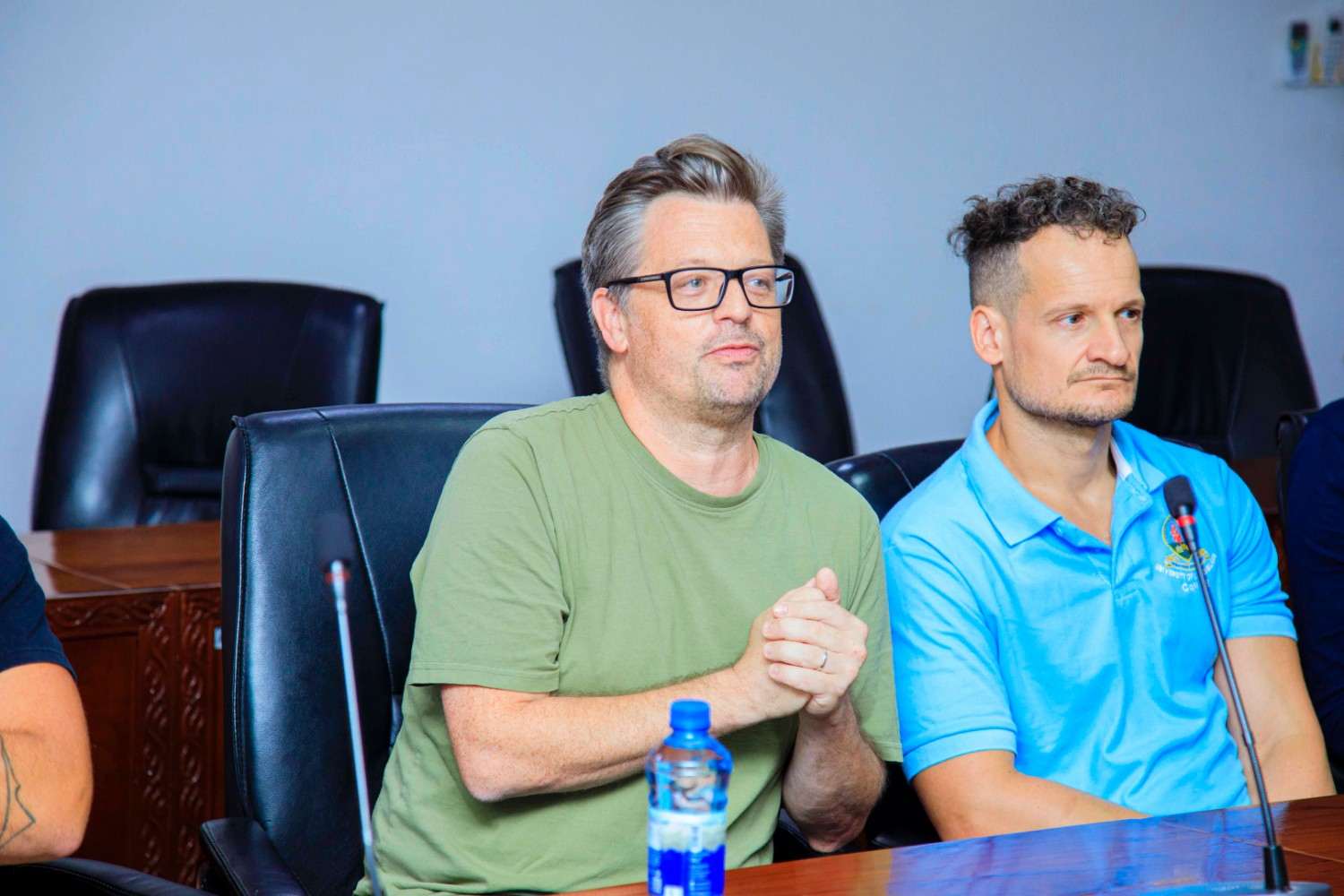
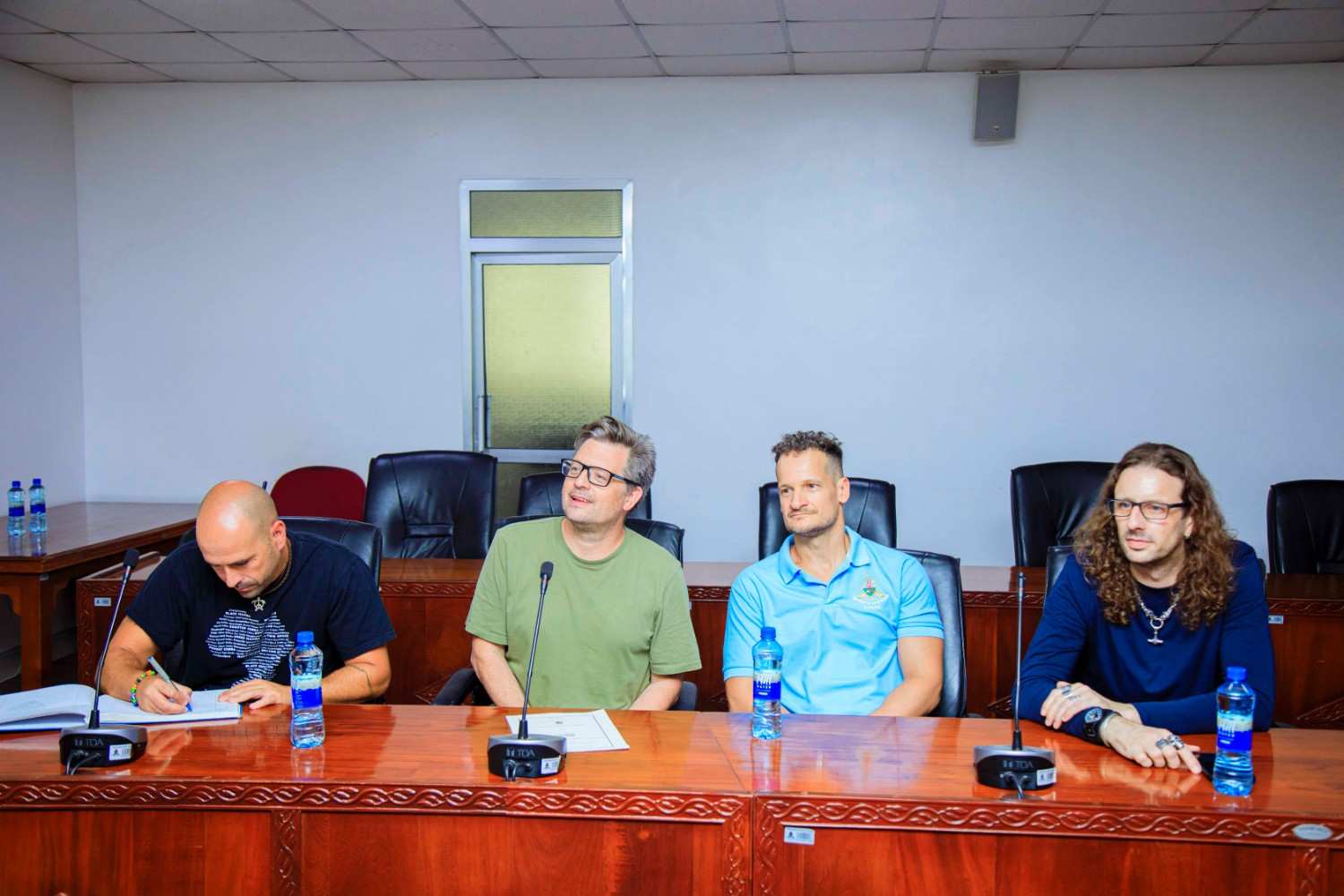
The international delegation was led by Dr. Simon Loader, Principal Curator in Charge of Vertebrates at the Natural History Museum, London. He was accompanied by fellow museum curator Roberto Portela Miguez, Javier Lobón-Rovira of Spain’s National Museum of Natural Sciences, and Dr Luca Pozzi of the University of Texas at San Antonio.
Dr. Flora Stephano, Head of the Department of Zoology and Wildlife Conservation, and John Lyakurwa, an Assistant Lecturer in the department, also participated in the meeting, representing a department that has been central to the partnership since the first agreement was signed.
From specimens to new scientists
A major focus of the renewed collaboration is HAZINA, a Hempel Foundation-funded project involving UDSM, Re:wild and the Natural History Museum. The project seeks to establish an Eastern Arc and coastal forest biodiversity centre to support research, training and public engagement.
Five master’s students are currently undertaking research on fish, amphibians, reptiles, birds and mammals, while three curators have been recruited to strengthen the management of UDSM’s natural history collections.
Training has already begun in the University’s renovated collection facility, where participants are learning practical techniques for handling, preserving and documenting biological specimens. Initial training has focused on the wet collection, where specimens are preserved in liquids to maintain them for scientific study.
For the students, the partnership is taking science beyond the classroom. Fieldwork is scheduled for the Nguru Mountains in Morogoro Region from 17 to 23 September, followed by fish-focused activities along the Indian Ocean coast and at Kimboza in Morogoro.
The field visits are expected to expose the students to potential research sites while helping them refine their research proposals and connect laboratory and collection-based knowledge with biodiversity in the field.
Further work on UDSM’s dry collections—including skins, skeletons and feathers—could be undertaken if additional funding becomes available.
Dr. Loader described the partnership as a two-way exchange of expertise rather than a relationship in which knowledge flows in only one direction. “Your knowledge and our knowledge, putting those two things together, could be really a powerful thing”.
His remarks capture the broader ambition of the renewed partnership: combining the Natural History Museum’s international expertise and collections experience with UDSM’s local scientific knowledge, research capacity and understanding of Tanzania’s ecosystems.
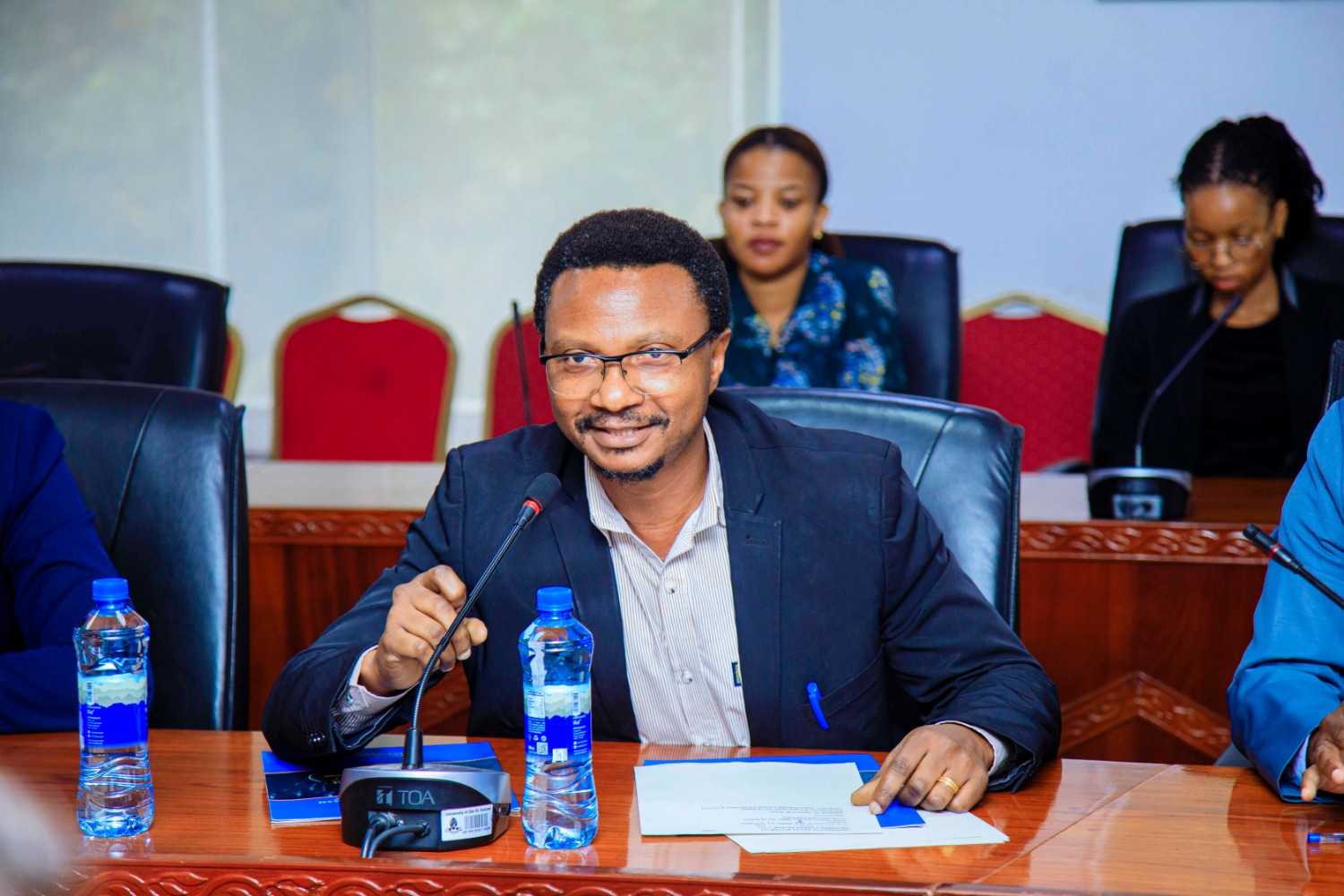
As the formal signing approached, Dr Daniel Shayo, UDSM’s Acting Chief Corporate Counsel and Secretary to Council, said the renewed agreement provides a foundation for sustaining the research and training gains already made.
“It is encouraging to see this collaboration continue. The renewed agreement gives the institutions a basis to keep working together and to support the research and training already under way,” Dr Shayo said.
Representatives of UDSM and the Natural History Museum subsequently signed the renewed memorandum of understanding, formally extending a partnership whose impact is already reaching beyond laboratories and lecture rooms—to the forests, mountains, rivers and coastal ecosystems where Tanzania’s biodiversity is found.