
UDSM, Swedish Partners Push for Research Legacy Beyond Donor Funding
By Sulea Suleiman Abbas, CMU
Research achievements should not disappear when donor funding comes to an end. Instead, they must translate into lasting institutional capacity, stronger research centres, sustainable partnerships and innovations that continue addressing Tanzania’s development challenges.
This was a key message from the University of Dar es Salaam (UDSM) and its Swedish partners during the Second Annual Review Meeting of the UDSM-Sida Cooperation Programme (2024–2030), held from 9 to 10 November 2026.
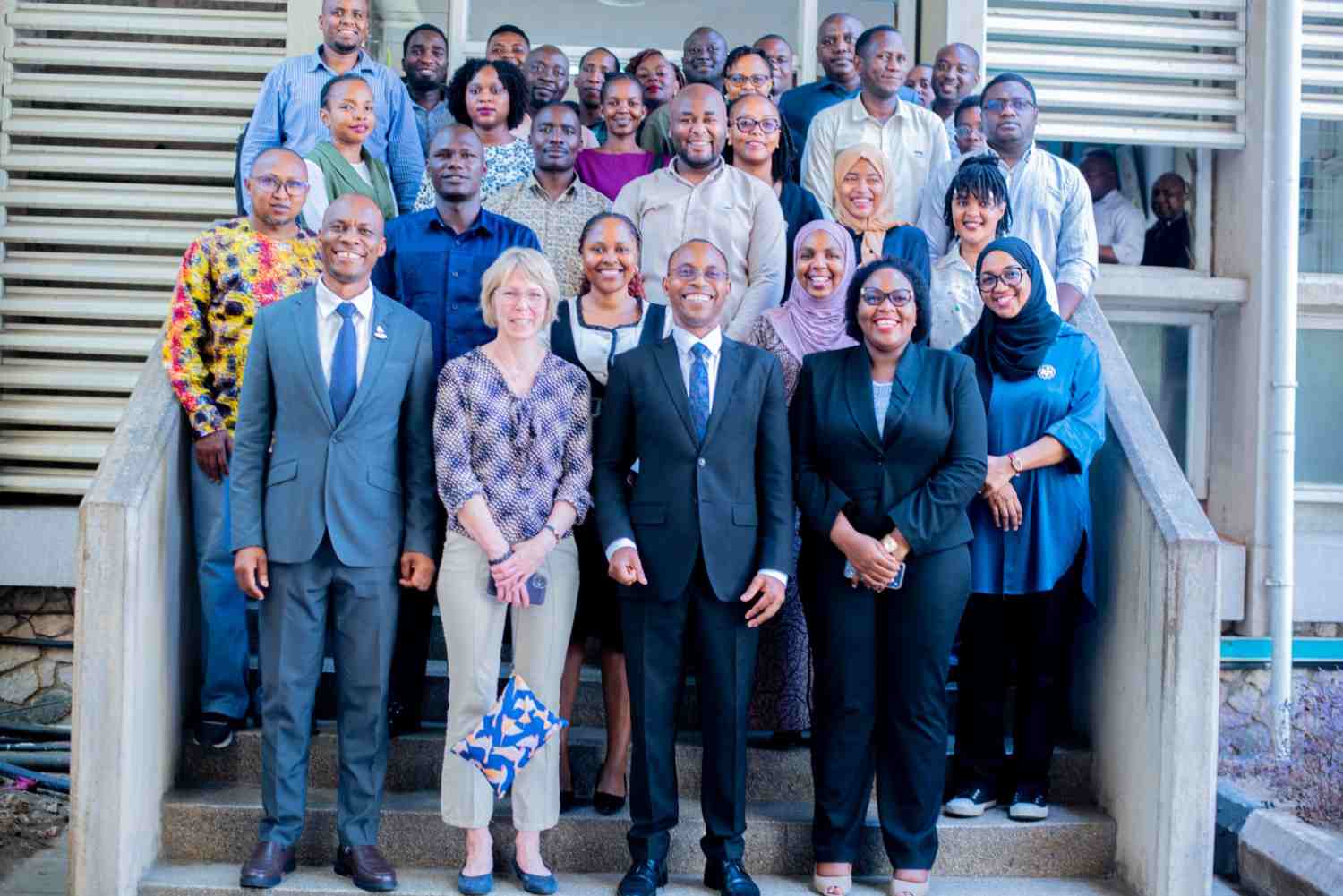
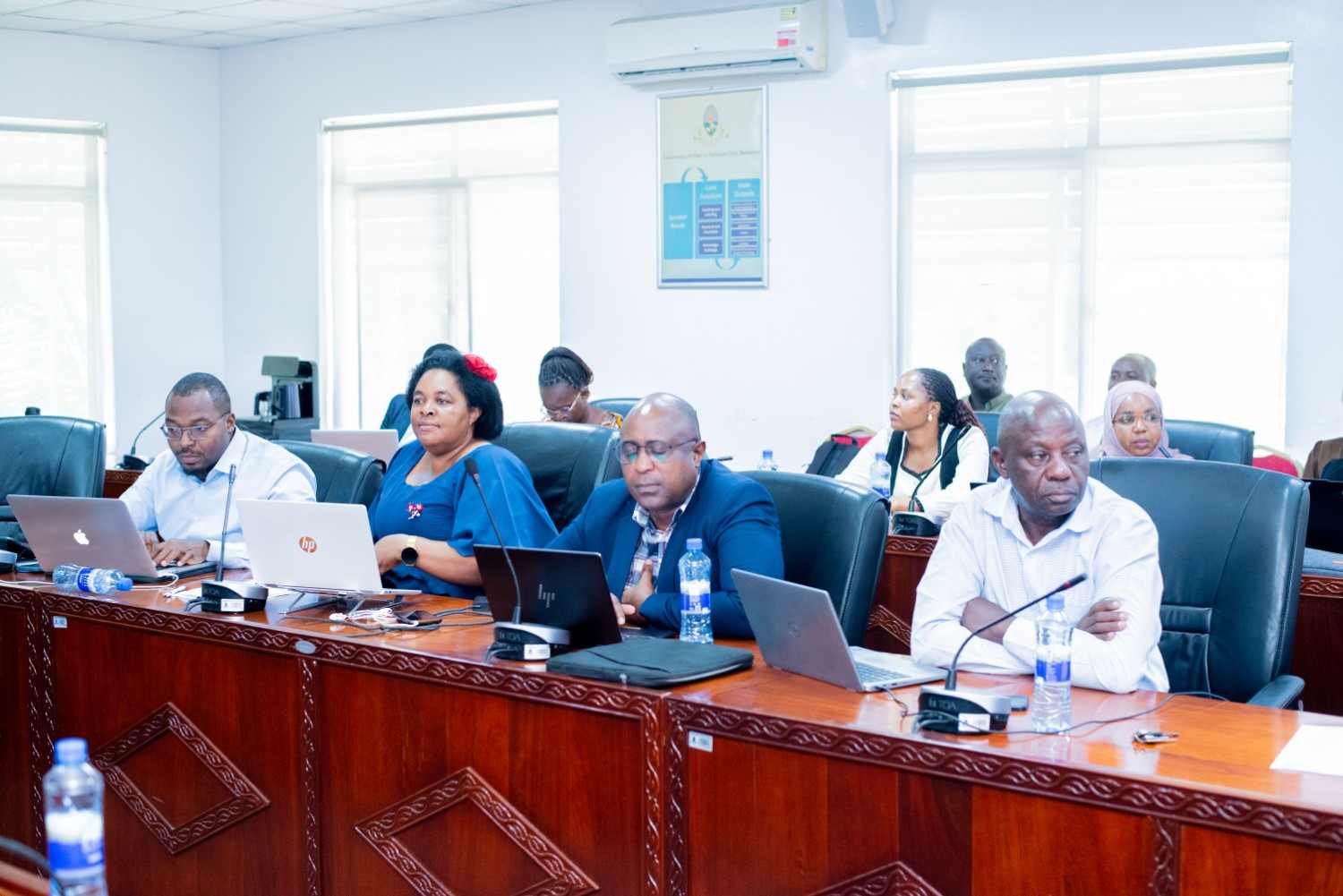
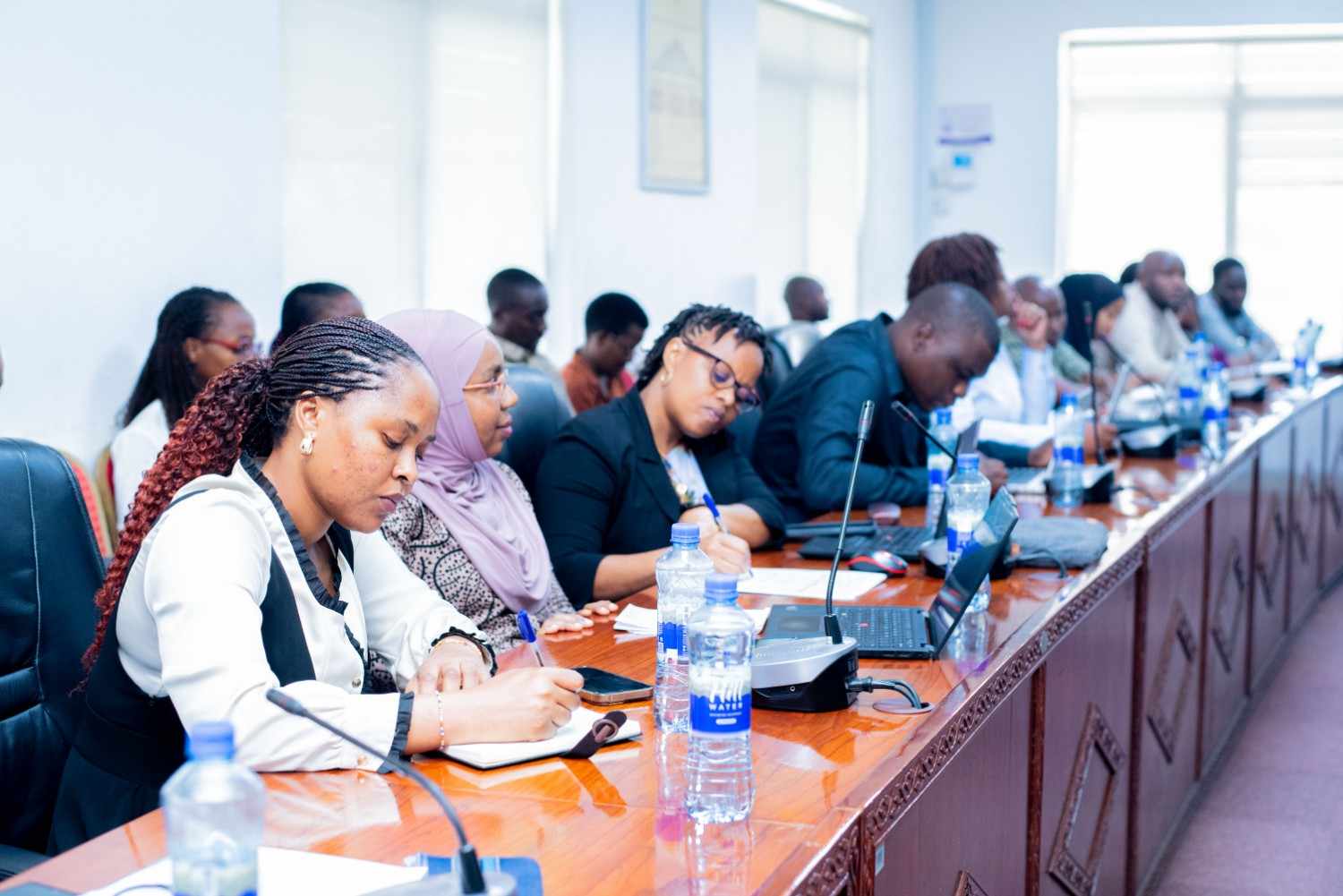
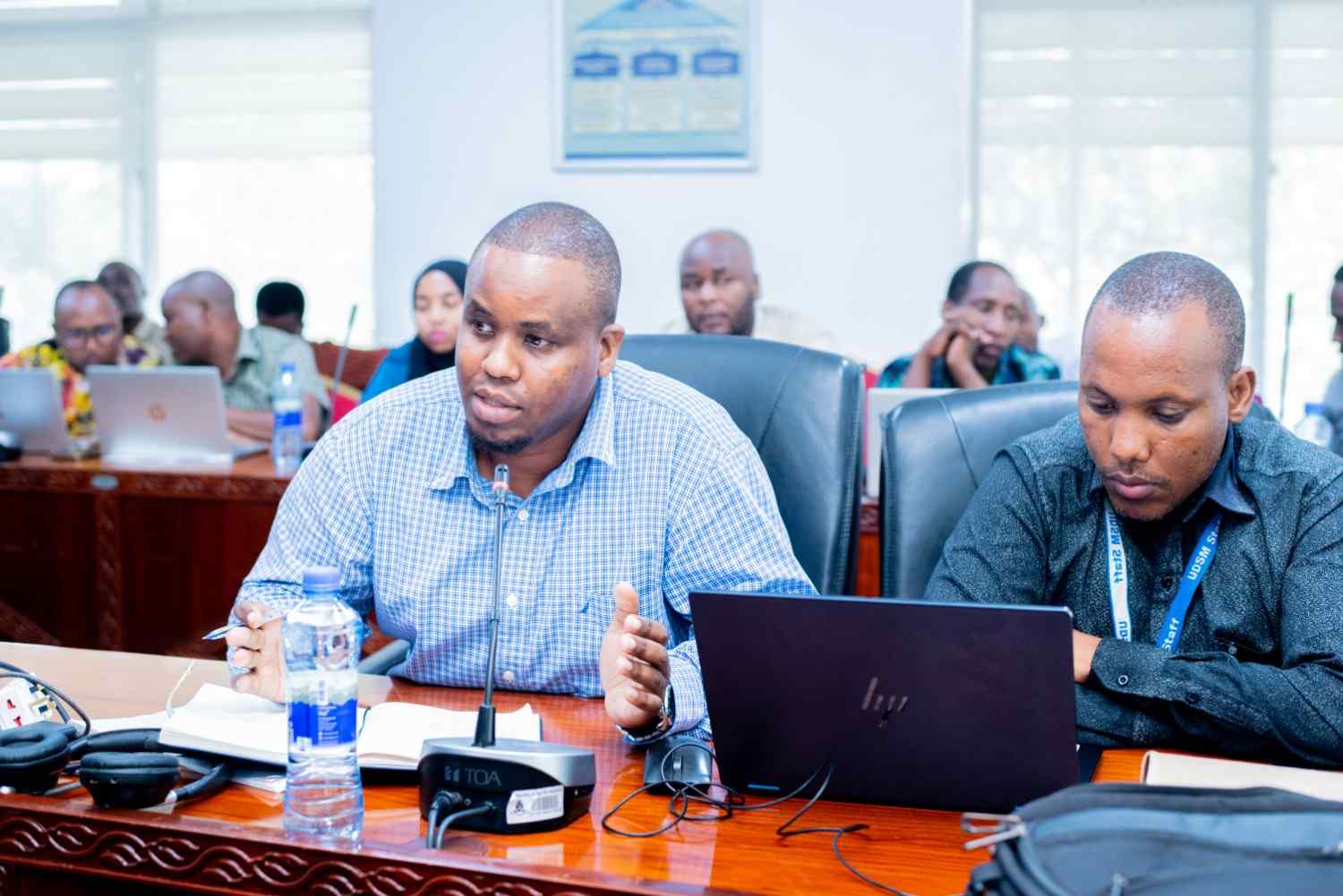
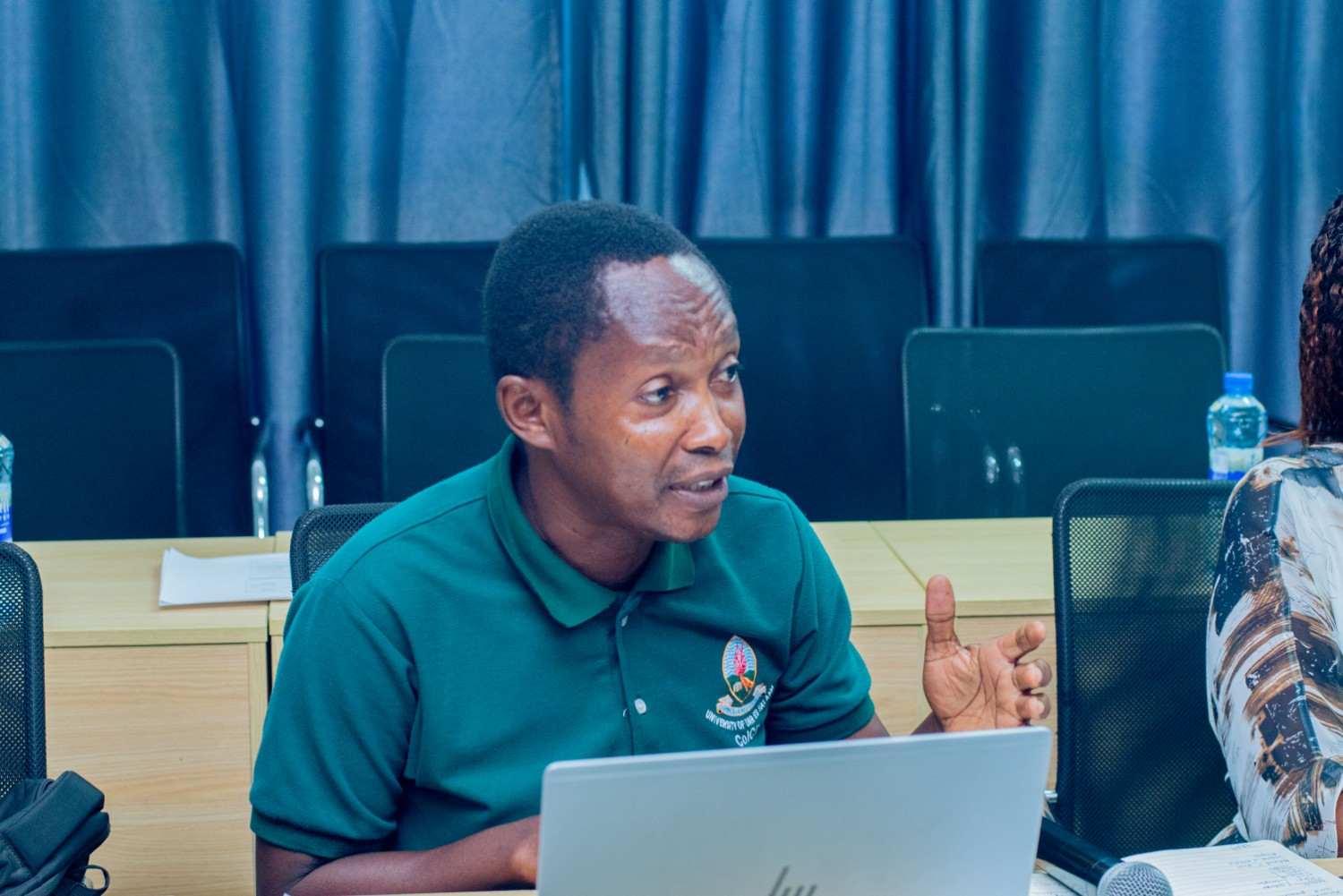
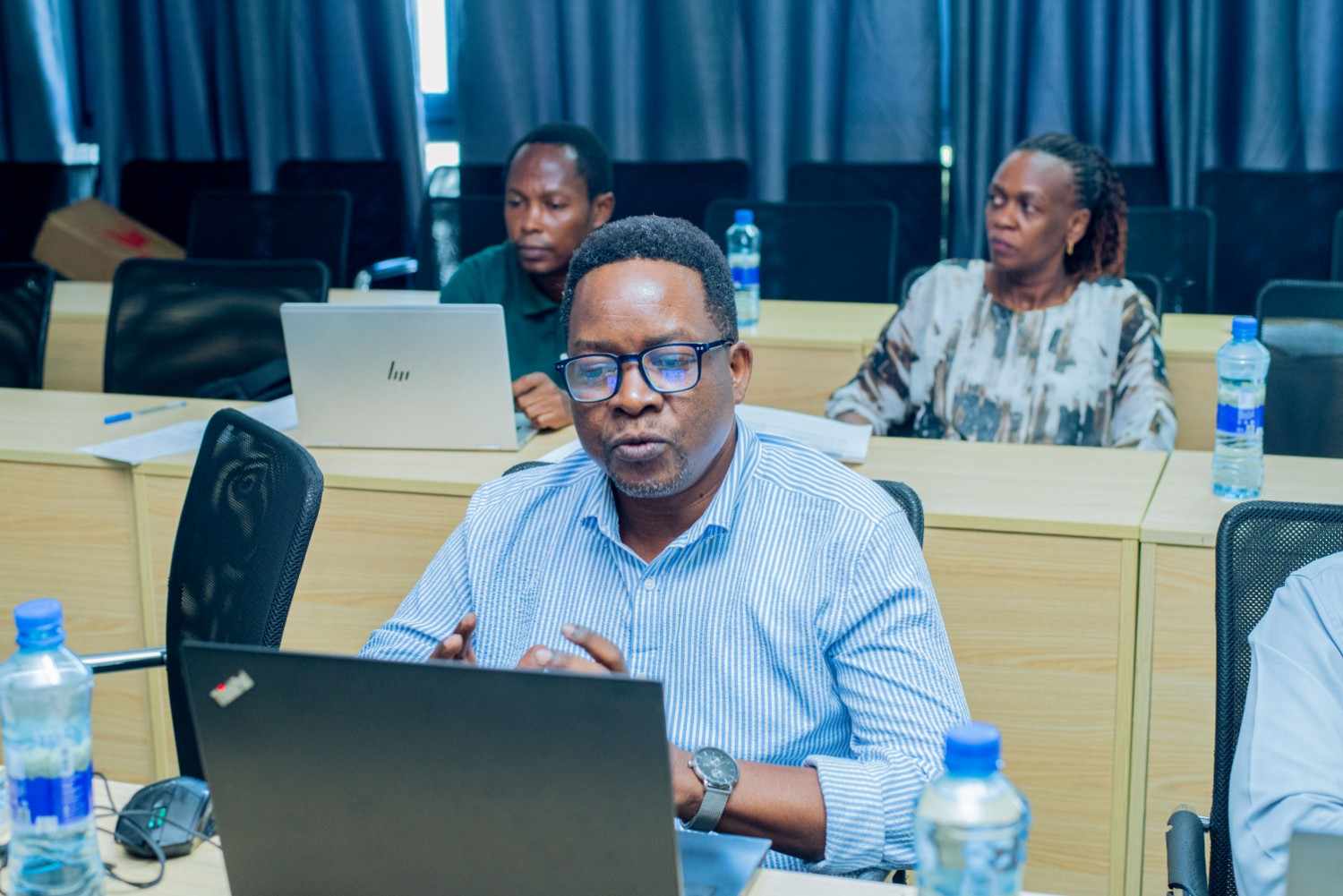
The two-day meeting brought together UDSM management, representatives of the Embassy of Sweden, the International Science Programme (ISP), programme coordinators and Principal Investigators (PIs) to assess implementation progress and, more importantly, examine how the programme's achievements can be sustained beyond the funding period.
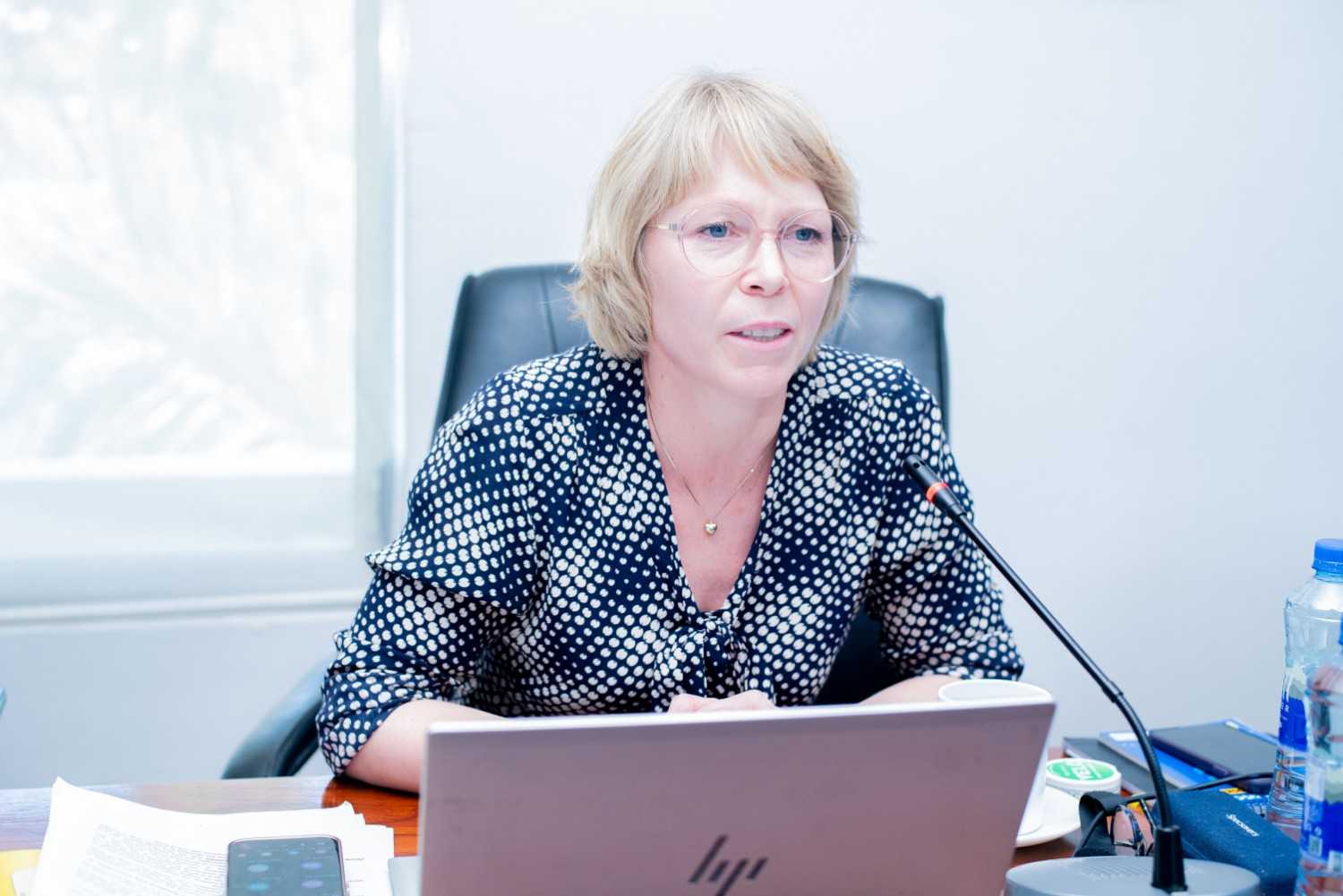
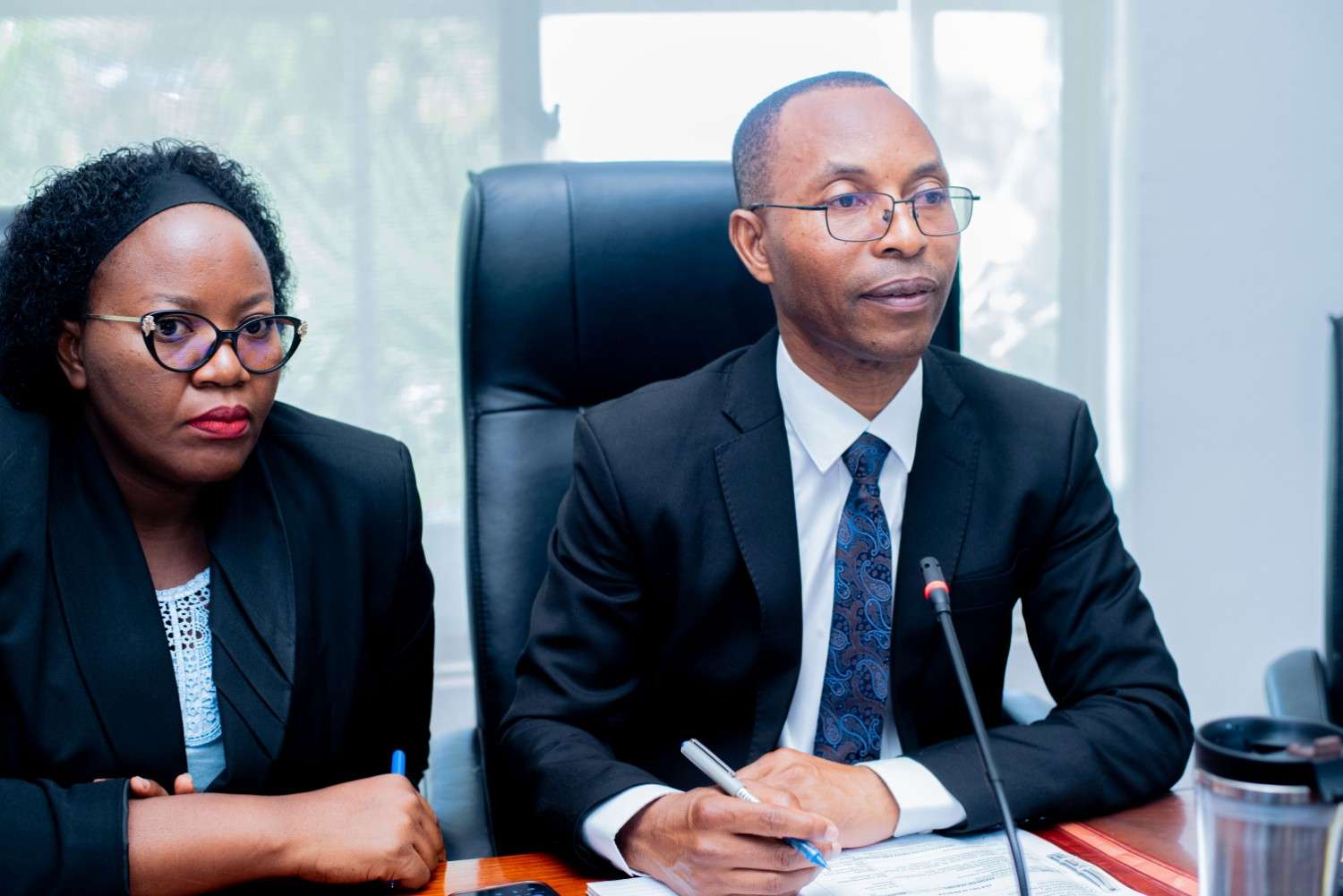
Opening the discussions, the Embassy of Sweden's Senior Research Advisor, Dr. Johanna Värlander, challenged the programme's leadership and researchers to look beyond activity implementation and demonstrate the lasting impact of their work.
She emphasised that, as the Sida funding framework approaches its final phase, the programme must increasingly focus on building institutional systems and research capacity that can continue delivering results without relying on external financial support.
"Long-term sustainability must remain central to the programme. We need to ensure that the research capacity, institutional improvements and partnerships developed through this cooperation continue delivering benefits beyond the funding period," she said.
Dr Värlander identified four priority areas requiring sustained attention: multidisciplinary research collaboration, postgraduate training and gender balance, assessment of research impact and systemic change, and strengthening partnerships with Swedish institutions through joint resource mobilisation and external funding.
She particularly drew attention to the programme's gender commitments, noting that the target of having women constitute 50 per cent of PhD students had not yet been achieved.
She encouraged programme leaders to address the gap while remaining flexible in implementing activities, provided that adjustments remained consistent with the programme's objectives.
Her message placed postgraduate training and gender inclusion at the centre of the sustainability discussion, underscoring the importance of developing a diverse generation of researchers capable of advancing scientific knowledge and responding to societal challenges.
ISP Coordinator Prof. Olle Terenius also underscored the importance of the cooperation programme, drawing attention to the need for careful prioritisation of available financial resources to ensure that programme investments deliver meaningful results.
UDSM seeks to turn research investments into institutional capacity
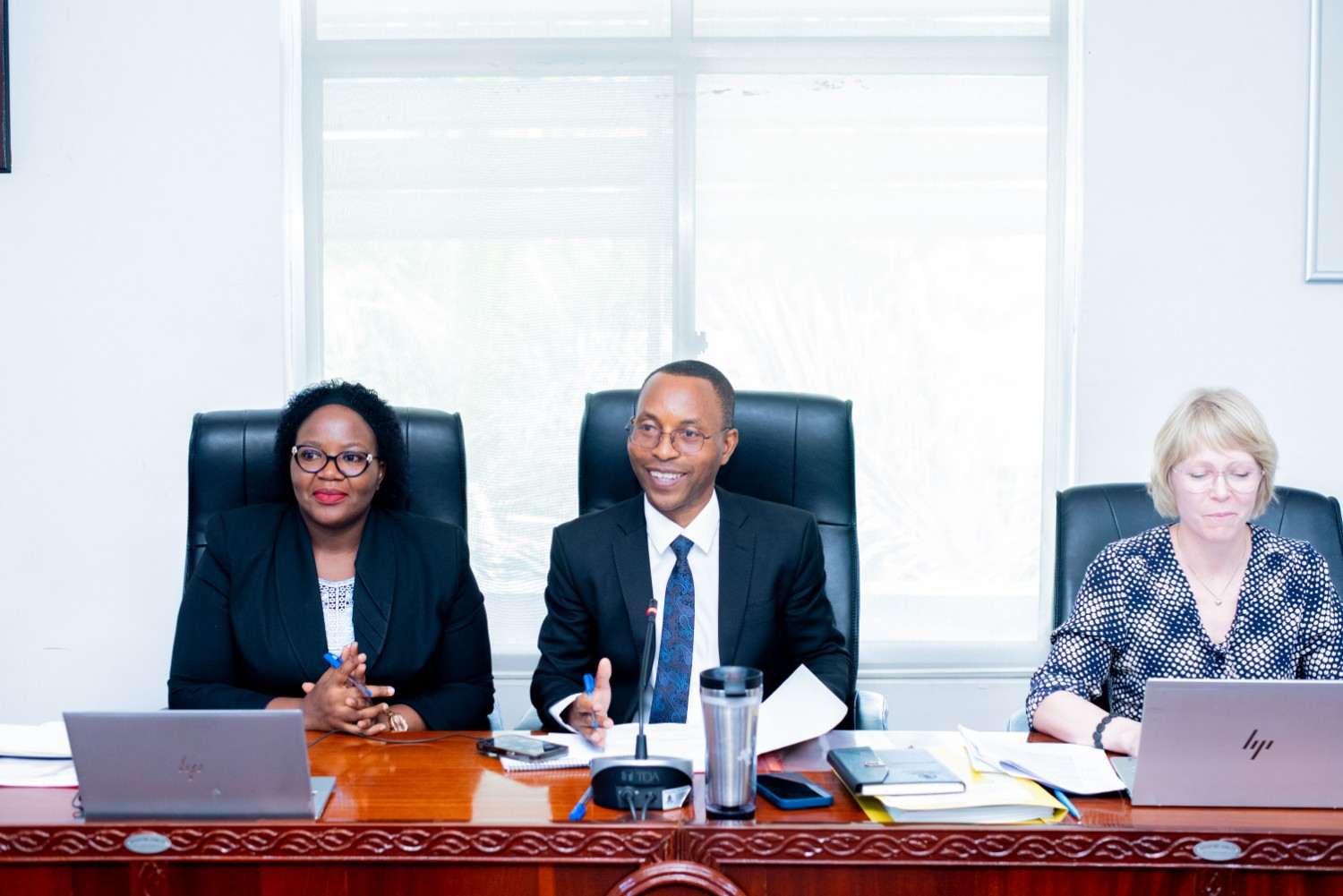
Chaired by the Deputy Vice Chancellor for Research, Prof. Nelson Boniface, the review examined both institutional performance and progress across the programme's eight research sub-programmes.
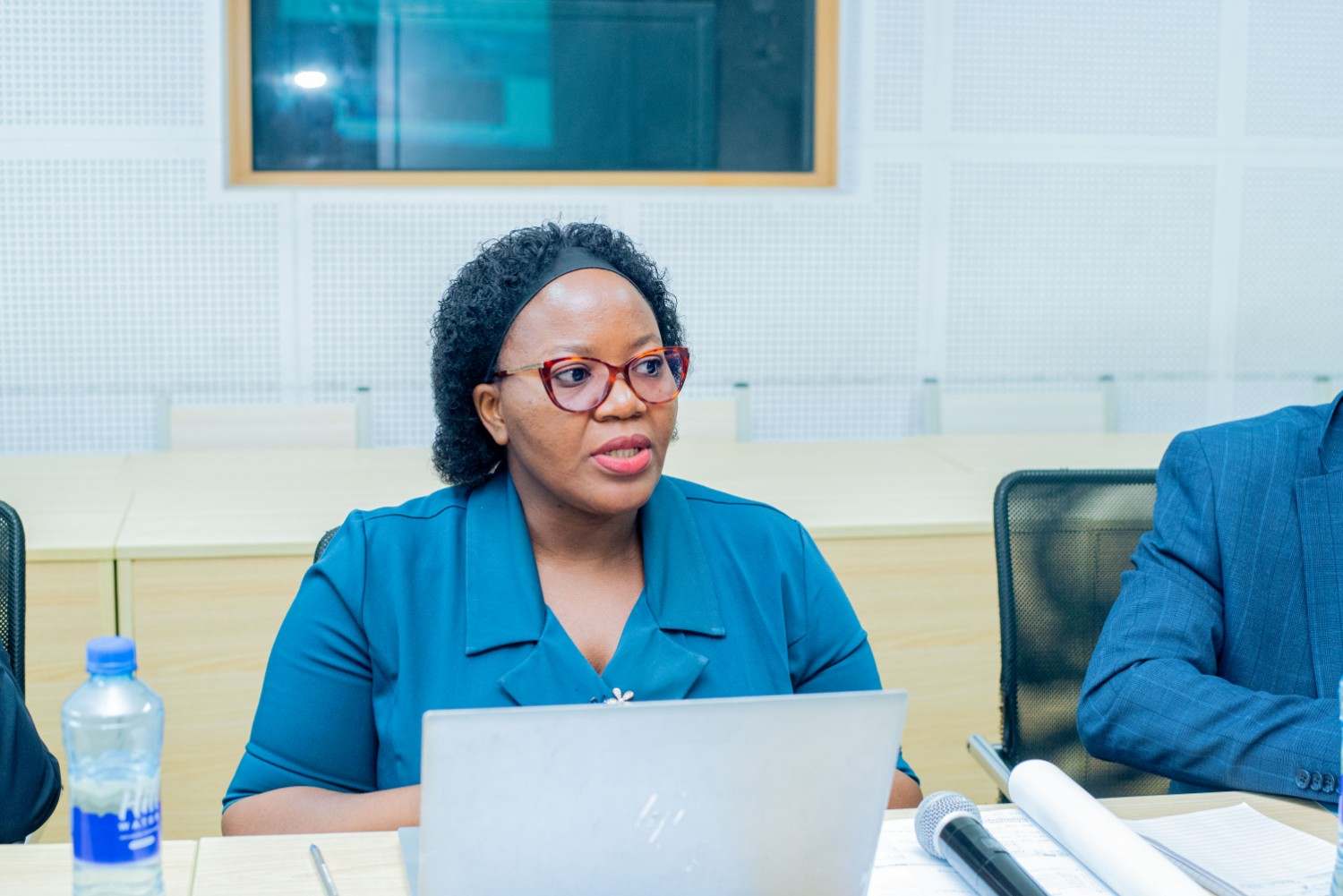
Presenting the institutional annual report covering July 2025 to June 2026, UDSM-Sida Coordinator Dr. Merezia Wilson reported that 25 of the 46 planned activities had been fully implemented, representing 54.3 per cent. Another 17 activities (37 per cent) were partially implemented, while four (8.7 per cent) had not been implemented.
Beyond the implementation figures, the programme recorded progress in areas intended to strengthen the University's research and innovation ecosystem.
The areas included stakeholder engagement involving TANESCO and University Venture Programmes (UVPs), joint research platforms between UDSM and Muhimbili University of Health and Allied Sciences (MUHAS), patent registration, gender equality initiatives and environmental assessments.
Dr. Wilson, however, acknowledged that differences between programme implementation timelines and the University's academic and administrative schedules had sometimes delayed approvals and activities.
She stressed the importance of timely follow-up, proper documentation and assessing the outcomes of training activities to ensure that investments in human resource development translate into tangible institutional improvements.
350 research projects showcase UDSM's innovation potential
The programme's achievements were also reflected in reports from the eight Principal Investigators, who demonstrated how research investments are contributing to specialised scientific capacity, innovation and solutions to development challenges.
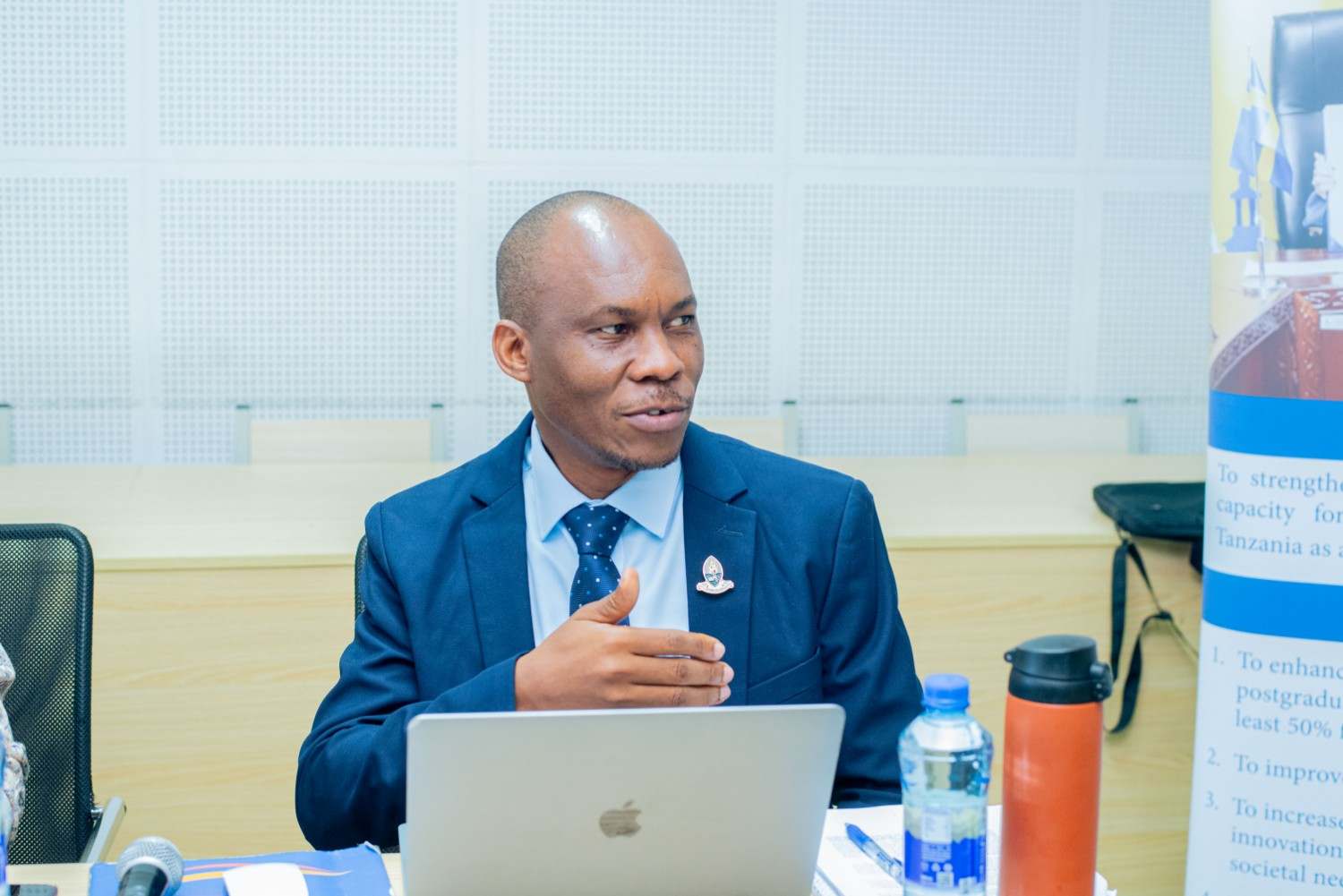
One notable achievement was highlighted by the Director of Research and Publication, Dr. Mathew Senga under Research and Innovation Management, who reported that the University's annual Research and Innovation Week showcased 350 projects, equivalent to 140 per cent of its target.
Other achievements included intellectual property training, patent registration and gender-based violence awareness initiatives.
The other research areas demonstrated the breadth of the cooperation programme's contribution to scientific and technological development.
Prof. Kwame Ibwe presented progress in smart grid capacity development under IGRID, while Prof. Donatha Tibuhwa highlighted interdisciplinary molecular biosciences under IMB. Dr Moses Mbiru reported on capacity development in marine science.
Under Mathematics, Dr. Sylvester Rugeihyamu outlined progress in curriculum reviews, postdoctoral mentorship and academic exchanges. Prof. Goodluck Urassa presented achievements in postgraduate training, research dissemination and community engagement under ENGAGE.
Dr. Richard Kimwaga highlighted water and sanitation research, capacity building and academic mobility under SUWASAN, while Prof. Oscar Kibazohi presented FOOD SECURITY initiatives, including collaboration with Swedish institutions and multidisciplinary research aimed at strengthening agricultural production and food security.
The presentations also provided an opportunity for PhD students from six core research sub-programmes to share their progress, bringing the next generation of researchers into discussions about the programme's contribution to research capacity development.
UDSM calls for research centres to preserve programme legacy
In his closing remarks, Prof. Boniface brought the sustainability discussion back to the University's institutional responsibilities, emphasising that the cooperation programme must leave behind structures capable of supporting research long after its funding ends.
He underscored the need to establish dedicated research centres that would preserve and advance the knowledge, expertise and research capabilities developed through the programme.
He also highlighted the importance of strengthening institutional data systems, noting that the University's ability to capture, manage and access reliable information is essential for informed decision-making, research management and measuring institutional performance.
Prof. Boniface welcomed continued cooperation with Swedish partners, emphasising the importance of building on the existing relationship to sustain research collaboration and institutional development.
The meeting, held on the first day at the New Council Chamber and on the second day at the Audition Room of the UDSM Library, concluded with final remarks from Dr. Värlander and discussions on other programme matters.
Ultimately, the review highlighted a critical measure of the UDSM-Sida Cooperation Programme's success: its ability to transform donor-supported research investments into enduring institutional capacity, empower a new generation of researchers and generate knowledge and innovations that continue serving Tanzania and beyond.