

From Tanzania to the World: UDSM PhD Student Wins UN Global AI for Climate Action Award
By Selemani Nambimbi, CMU
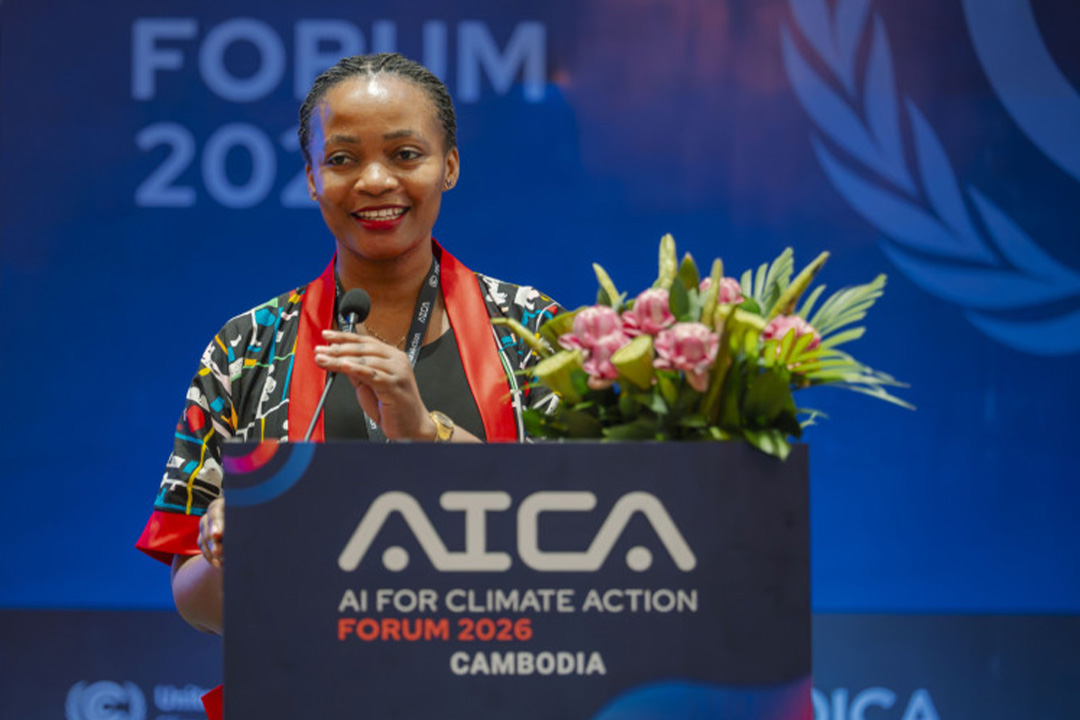
A University of Dar es Salaam PhD student has won the 2026 AI for Climate Action Award under the United Nations Framwork Convetion on Climate Change (UNFCCC) Technology Mechanism. The award recognises her artifical intelligence powered platform designed to help vulnerable communities and decision makers better understand and respond to cliamte risks.
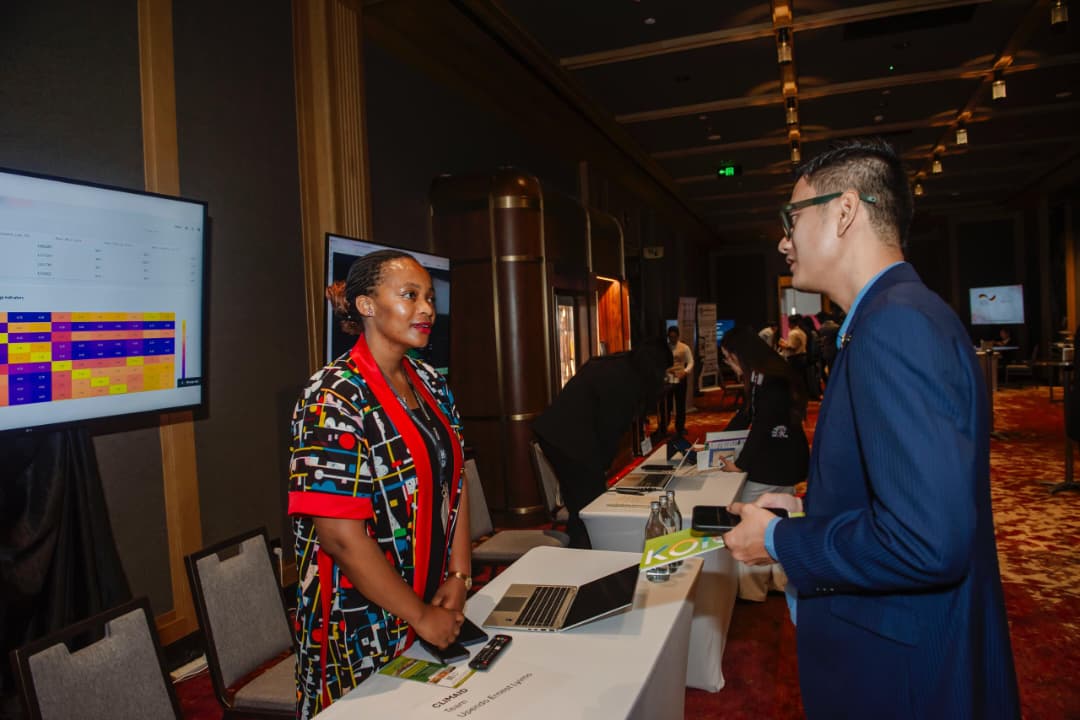
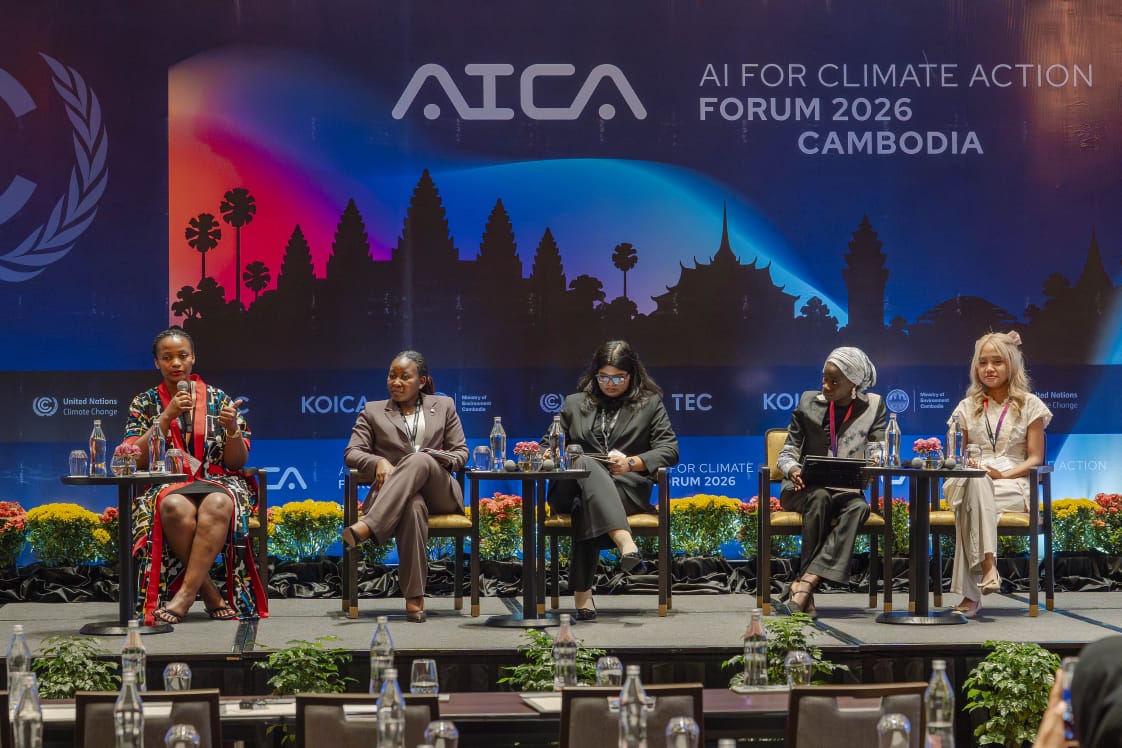
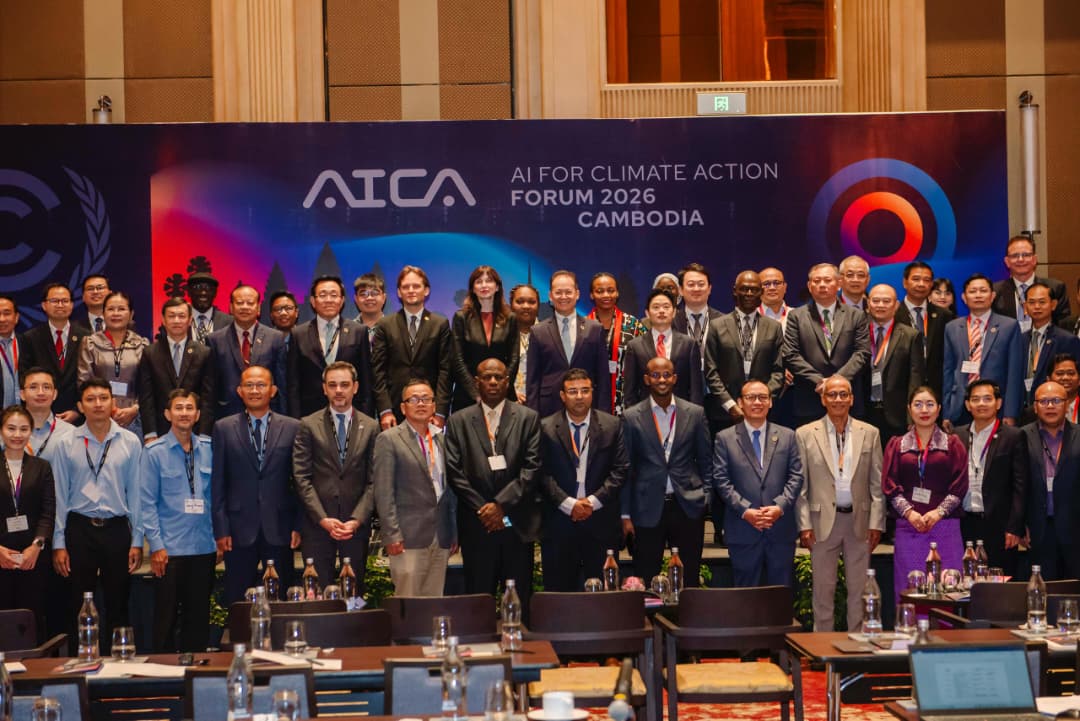
The innovators gathered to showcase how artificial intelligence can be applied to address pressing climate challenges.
Lyimo’s award-winning innovation, CLIMAID (Climate Intelligence for Adaptation and Loss & Damage), is designed to transform complex climate data into practical information that can support climate risk assessment, adaptation planning and decisions on addressing climate-related Loss and Damage.
The achievement places postgraduate research at UDSM on the international stage, demonstrating how locally grounded scientific inquiry can contribute to technological solutions for challenges affecting communities in Tanzania and other climate-vulnerable countries.
Unlike a University employee receiving recognition for institutional work, Lyimo is a PhD student pursuing Climate Change and Sustainable Development at UDSM.
She holds a Master of Science in Geographical Information Systems from the same University, bringing together expertise in geospatial technology and climate research to address the growing effects of climate change on vulnerable populations.
Her doctoral research focuses on climate-induced Loss and Damage among agro-pastoral communities, whose livelihoods depend heavily on livestock keeping and agriculture. These communities face increasing risks from droughts, floods and other climate-related hazards that threaten household incomes, food security, livestock, agricultural production and traditional ways of life.
Turning Climate Data into Action
CLIMAID seeks to address a persistent challenge in climate action: translating the growing volume of scientific and environmental data into information that communities, planners and policymakers can use to make timely and informed decisions.
The platform integrates artificial intelligence, machine learning, satellite observations, climate data and geographic information systems to identify climate risks, assess community vulnerability and estimate economic and non-economic Loss and Damage.
By combining geospatial information with household vulnerability assessments, the system can support district-level climate risk mapping, drought prediction and the identification of communities that may require targeted interventions.
These capabilities could help decision-makers determine where climate risks are greatest, prioritise adaptation measures and direct limited resources towards populations most exposed to climate impacts. The platform is also intended to support early warning systems and inform climate finance decisions.
Its significance extends beyond predicting environmental hazards. Climate-related Loss and Damage can include not only measurable financial losses, such as destroyed crops, livestock and property, but also non-economic impacts involving cultural identity, traditional knowledge, social relationships and other aspects of community life that are more difficult to quantify.
By bringing different sources of information together, CLIMAID aims to strengthen the evidence available to those working to understand and respond to these interconnected impacts.
According to the UNFCCC, the platform has potential for adaptation and application beyond Tanzania, particularly in developing countries where access to timely, reliable climate information and technical resources remains limited.
Research Inspired by Communities on the Frontline
Lyimo’s innovation is rooted in the realities of climate change experienced by vulnerable communities. Her background in Tanzania and research among agro-pastoral populations have informed her understanding of how climate-related hazards affect livelihoods and extend beyond immediate economic losses.
She explained that the effects of droughts, floods and environmental changes can reach deep into communities, threatening not only their incomes and productive assets but also their cultural identity and traditional knowledge.
Her work responds to the need to bridge the gap between climate evidence and practical decision-making, particularly where information is fragmented or insufficiently integrated into planning and resource allocation.
The platform therefore represents an effort to connect technological innovation with the lived experiences of communities, helping make climate information more useful to those responsible for planning responses and supporting people at risk.
The award was organised through the UNFCCC Technology Mechanism, with the Technology Executive Committee and the Climate Technology Centre and Network working alongside the Korea International Cooperation Agency and the Royal Government of Cambodia to promote practical applications of artificial intelligence in climate action.
The 2026 competition attracted innovations addressing climate challenges, with particular attention to the needs of Least Developed Countries and Small Island Developing States. Five teams were selected as finalists before Lyimo’s platform emerged as the global winner.
The recognition highlights the growing role of artificial intelligence in climate action, from improving the interpretation of environmental data to supporting early warning, vulnerability assessment and the planning of adaptation interventions.
For Tanzania, Lyimo’s achievement also illustrates the potential of postgraduate research to produce innovations that respond to national development challenges while contributing to international efforts to build climate resilience.
At UDSM, her work demonstrates how advanced academic research can bring together climate science, geospatial technologies and artificial intelligence to explore practical responses to problems affecting communities whose livelihoods are increasingly exposed to climate variability and change.
As climate risks intensify and the need for evidence-based interventions grows, innovations such as CLIMAID offer a promising direction for connecting scientific knowledge with decisions that can help protect livelihoods and strengthen resilience.
Lyimo’s global recognition is therefore not only a personal academic milestone but also an important example of the potential contribution of Tanzanian research and innovation to the global climate agenda.