

COAF Hosts Global Soil Scientist to Advance Biochar Innovation for Sustainable Tanzanian Agriculture
By Special Correspondent, CoAF
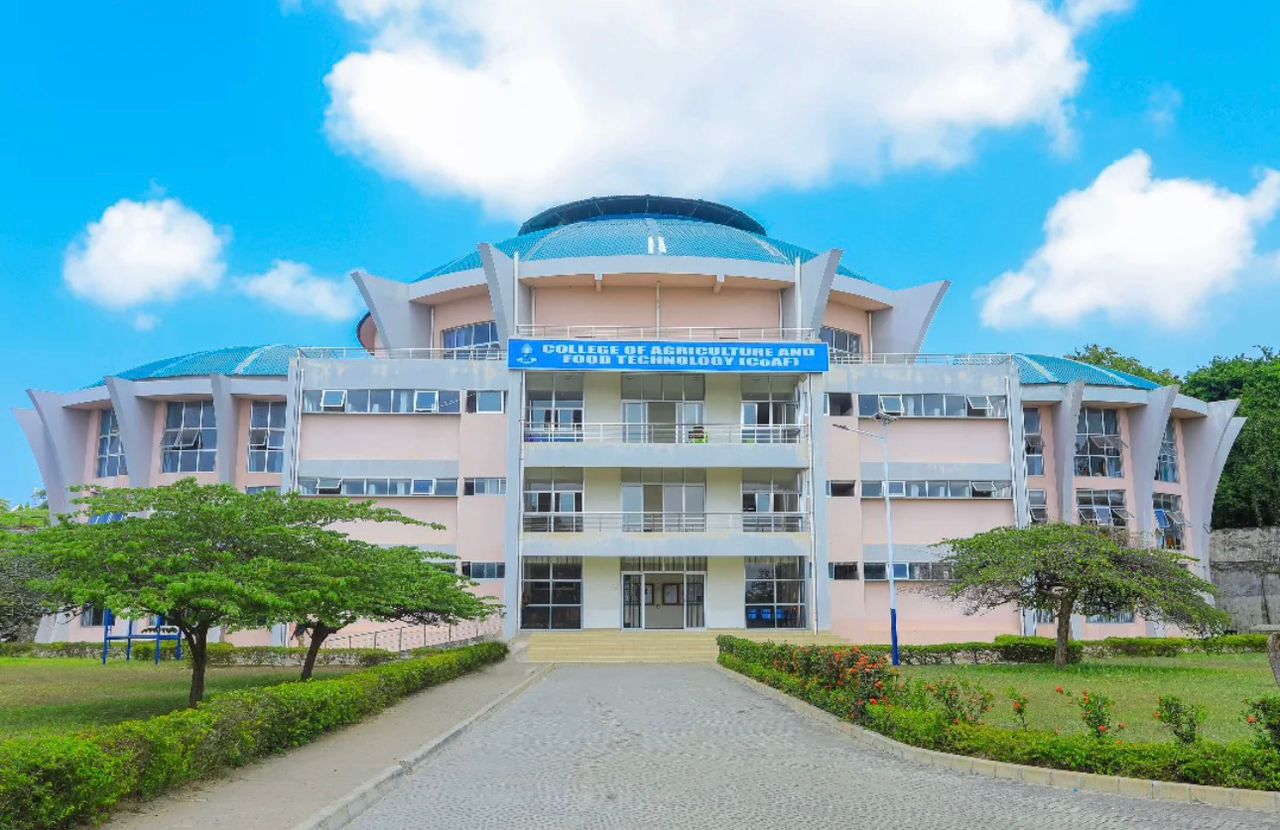
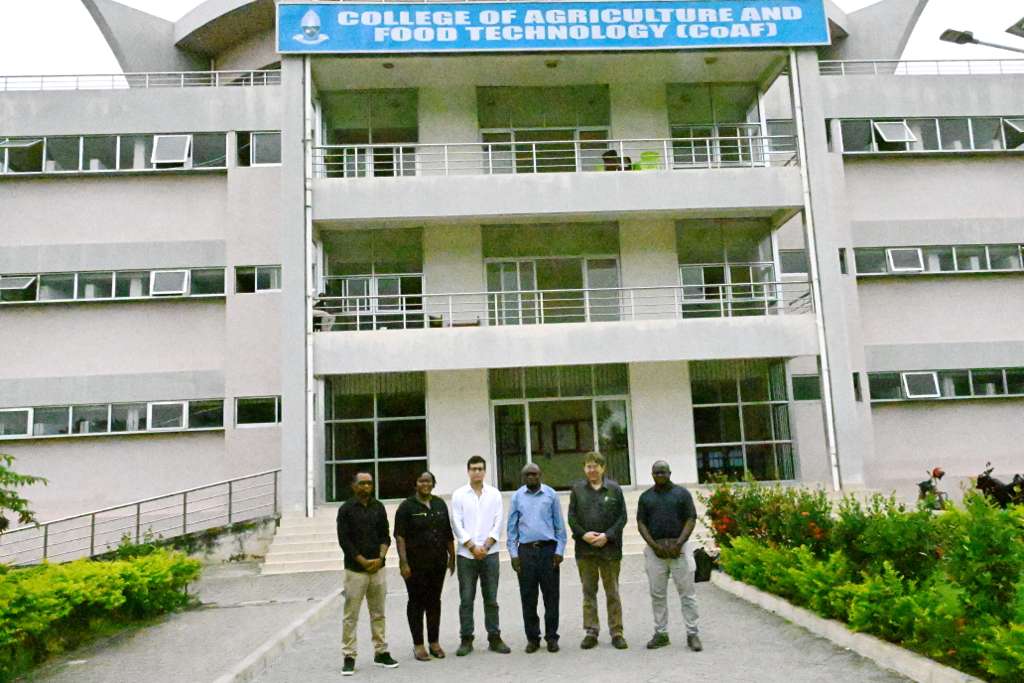
The University of Dar es Salaam College of Agriculture and Food Technology (COAF) has strengthened its commitment to sustainable agriculture and international scientific collaboration after hosting renowned Swiss soil microbiologist Dr. Jacques G. Fuchs for a high-level seminar on innovative biochar-based fertilizers tailored for Tanzanian soils and smallholder farming systems.
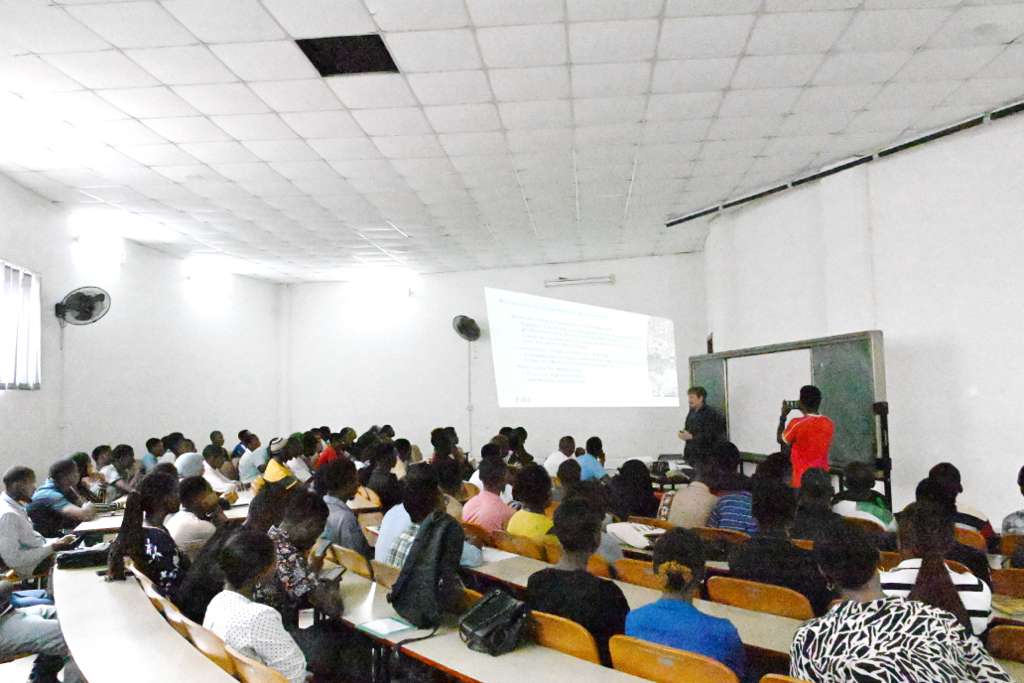
Held recently at COAF’s Mwalimu Julius Nyerere Mlimani Campus, the seminar brought together researchers, lecturers, students and agricultural stakeholders to discuss practical and science-driven solutions to one of Tanzania’s most pressing agricultural challenges — declining soil fertility and low crop productivity among smallholder farmers.
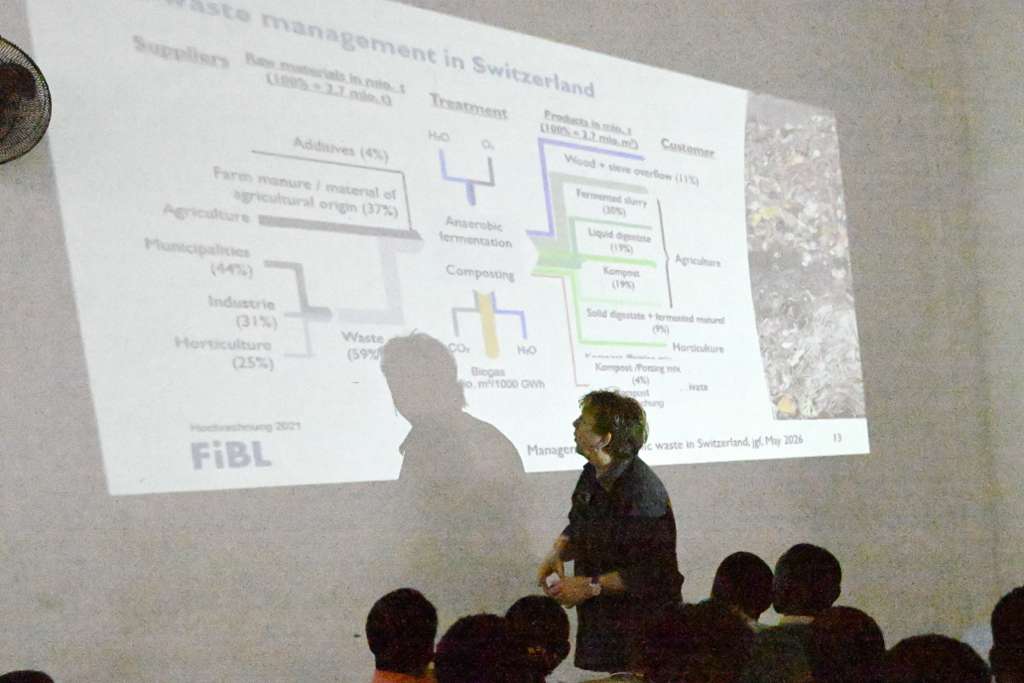
The seminar, themed “Developing Biochar Compound Fertilizers Tailored to Tanzanian Soils and Smallholder-Focused Crops to Improve Crop Yields,” highlighted how biochar technology and organic soil amendments can improve soil structure, nutrient retention, microbial activity and long-term agricultural sustainability.
Speaking during the seminar, Dr. Fuchs said Tanzania’s agricultural future depends heavily on adopting locally relevant and environmentally sustainable soil management solutions capable of improving yields while protecting ecosystems.
“Healthy soils are the foundation of sustainable agriculture. Biochar compound fertilizers have the potential to improve soil fertility, increase nutrient efficiency and support long-term productivity for smallholder farmers when designed according to local soil conditions and farming systems,” said Dr. Fuchs.
Dr. Fuchs is a researcher at the Swiss Research Institute of Organic Agriculture (FiBL) and founder of Biophyt AG, a company specializing in compost quality and compost-based agricultural products. He holds a PhD in soil microbiology from the Swiss Federal Institute of Technology and has more than three decades of international experience in organic waste management, compost quality, soil fertility and disease-suppressive microbial systems.
His international work spans countries including China, Kenya, Sri Lanka, Costa Rica, Ivory Coast and Tanzania, where he has been involved in knowledge transfer, organic fertilizer development and sustainable soil management initiatives. His current Tanzania-focused work includes developing biochar compound fertilizers tailored to Tanzanian soils and training more than 500 farmers to improve crop yields.
The seminar also highlighted the growing importance of university-industry partnerships in driving innovation and practical agricultural solutions.
Dr. Fuchs was accompanied by Josef Horwath, Business Development Lead at Dark Earth Carbon, a company focused on transforming agricultural waste into biochar products that improve soil fertility while supporting carbon sequestration and environmental sustainability.
Operating in Mafinga, Iringa Region, and Mkuranga, Coast Region, Dark Earth Carbon promotes the conversion of agricultural waste into biochar as a way of reducing environmental degradation, improving atmospheric conditions and increasing agricultural productivity.
Linking scientific research with industry innovation
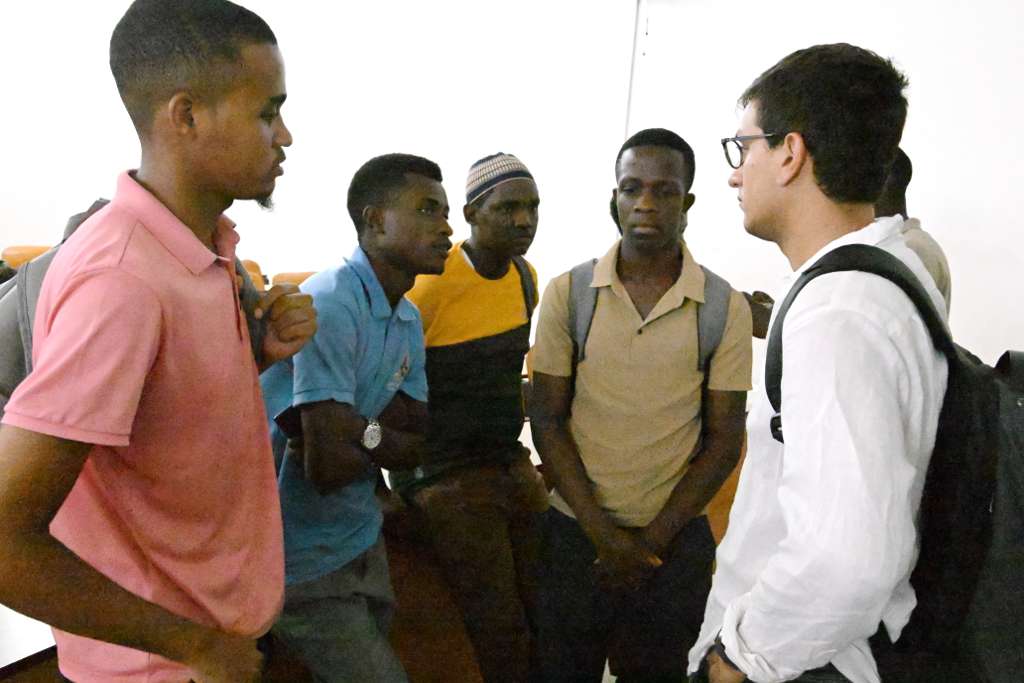
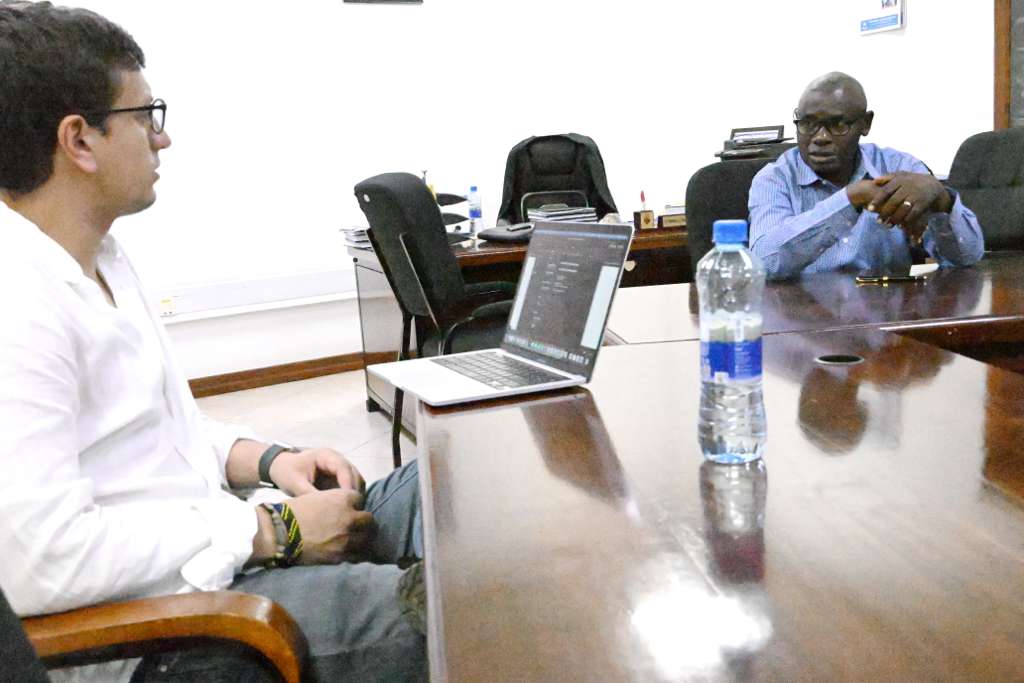
Speaking during discussions with COAF leadership, Mr. Horwath emphasized the importance of linking scientific research with industry innovation to create practical solutions for farmers.
“Sustainable agriculture requires strong collaboration between researchers, universities and industry. Biochar technology provides an opportunity not only to improve soil productivity, but also to transform agricultural waste into valuable environmental and economic resources,” he said.
The visit resulted in several proposed collaborative initiatives between COAF, Dr. Fuchs and Dark Earth Carbon, including plans for joint biochar field trials at university demonstration plots coordinated through the Department of Crop Science and Beekeeping Technology.
The planned trials are expected to provide students with hands-on training opportunities in soil management, fertilizer development and agricultural data collection, while strengthening applied scientific research within the College.
Further discussions explored opportunities for joint research grants, co-supervision of postgraduate students and expanded research collaboration across various departments within the College.
An additional outcome of the visit was an offer by Dark Earth Carbon to host COAF undergraduate students for field practical training at the company’s facilities, giving students direct exposure to biochar production, agricultural waste transformation and sustainable soil management technologies.
Strengthening international academic collaboration and research partnerships
The Head of the Department of Agricultural Economics and Business, Dr. Innocensia John, who coordinated the visit, described the engagement as an important step in strengthening international academic collaboration and research partnerships.
“These collaborations create valuable opportunities for knowledge exchange, joint research and practical learning experiences that directly benefit our students, researchers and the wider agricultural sector,” said Dr. Innocensia.
Participants at the seminar expressed strong interest in the practical applications of biochar technology and organic soil amendments, particularly their potential to improve crop productivity among smallholder farmers while reducing dependence on conventional chemical fertilizers.
The Principal of COAF, Dr. Mkabwa Manoko, thanked Dr. Fuchs and Mr. Horwath for engaging with the University community and reaffirmed the College’s commitment to strengthening university-industry collaboration.
“Partnerships such as this are essential in ensuring that our academic programmes remain relevant, innovative and responsive to the needs of society and industry. We are committed to translating these discussions into practical actions that will benefit students, researchers and farmers,” said Dr. Manoko.
He added that collaborations between universities, researchers and private sector actors are increasingly important in advancing sustainable agriculture, strengthening food security and supporting climate-resilient farming systems in Tanzania.
The seminar formed part of UDSM’s broader efforts to promote international academic exchange, applied research and innovative agricultural solutions capable of addressing emerging environmental and food security challenges in Tanzania and across Africa.