From Classroom to Industry Impact: Engineering Cluster Secures 30+ Scholarships as New Leadership Takes Charge
By Donald Boneka, CMU
More than 30 scholarships secured through strategic industry partnerships have placed the University of Dar es Salaam (UDSM) at the forefront of practical, opportunity-driven higher education, it can be reported.
This milestone has been reached as the University’s Engineering and Earth Resource Management (EERM) Cluster continues to translate collaboration into life-changing outcomes for students.
The scholarships, alongside a growing number of internship opportunities both locally and internationally, are the result of sustained engagement between the Cluster’s Industrial Advisory Committee (IAC) and key industry players through a series of Memoranda of Understanding (MoUs).
Stakeholders say the initiative is not only widening access to education, particularly for students from disadvantaged backgrounds, but also strengthening graduate readiness for the labour market.
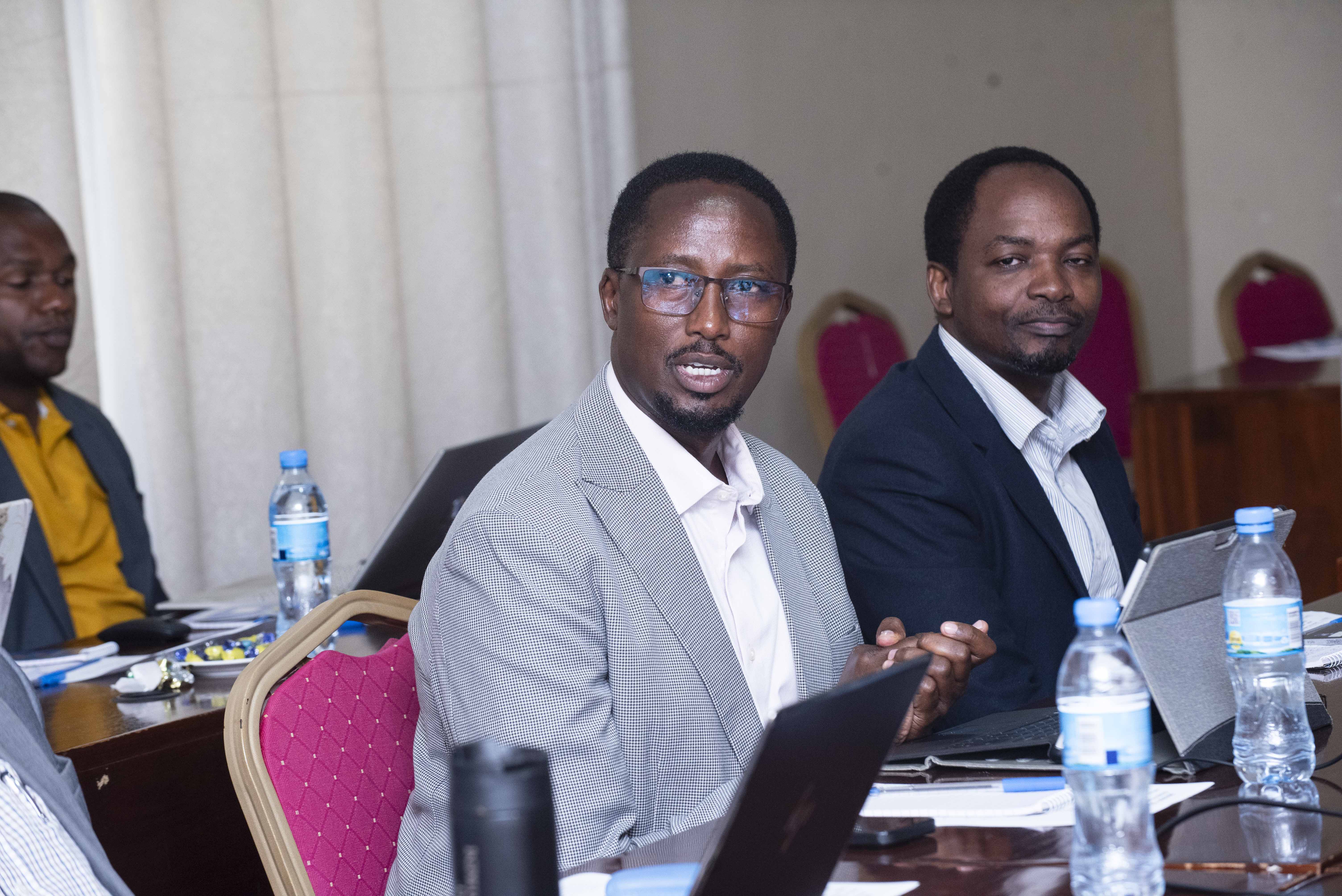
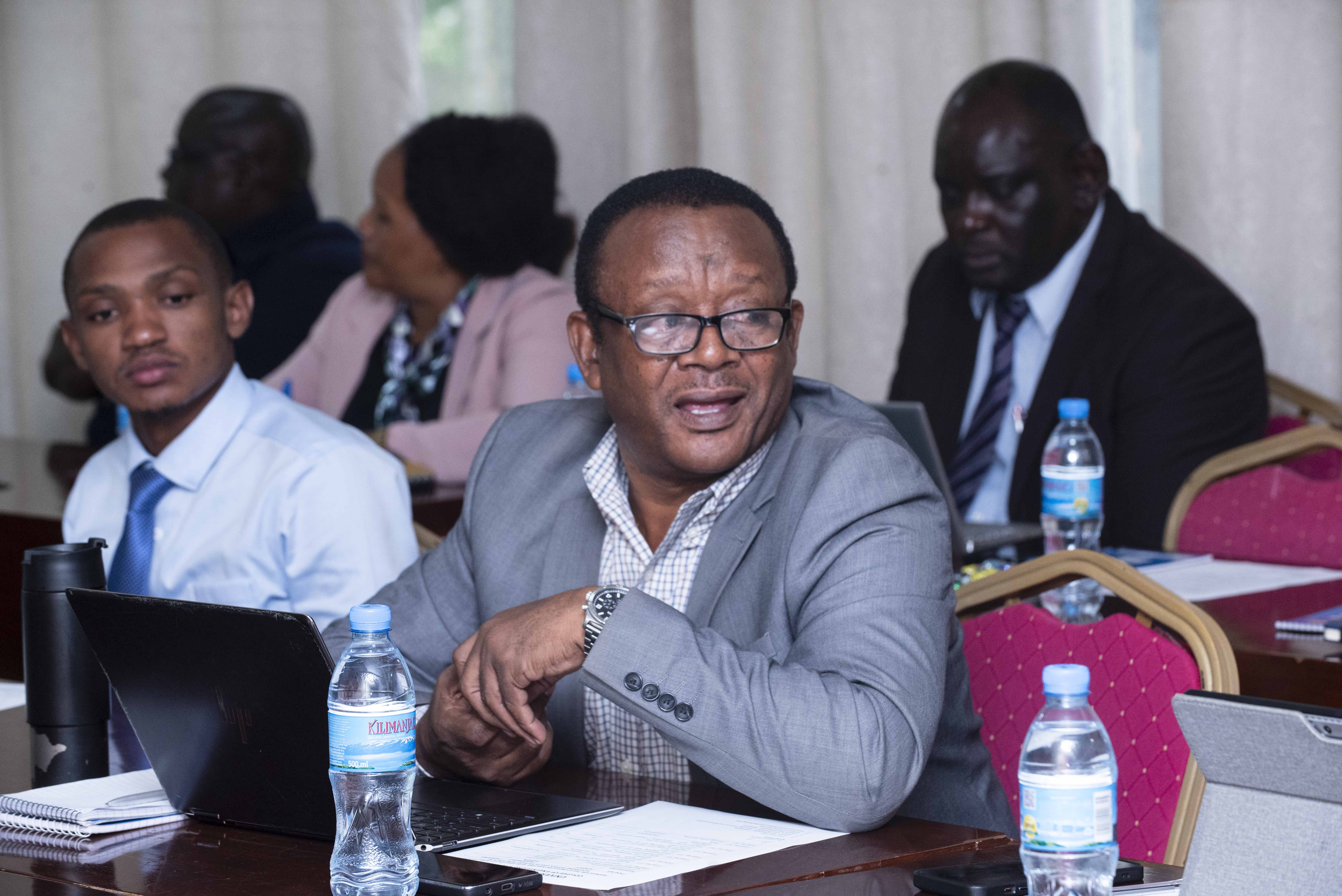
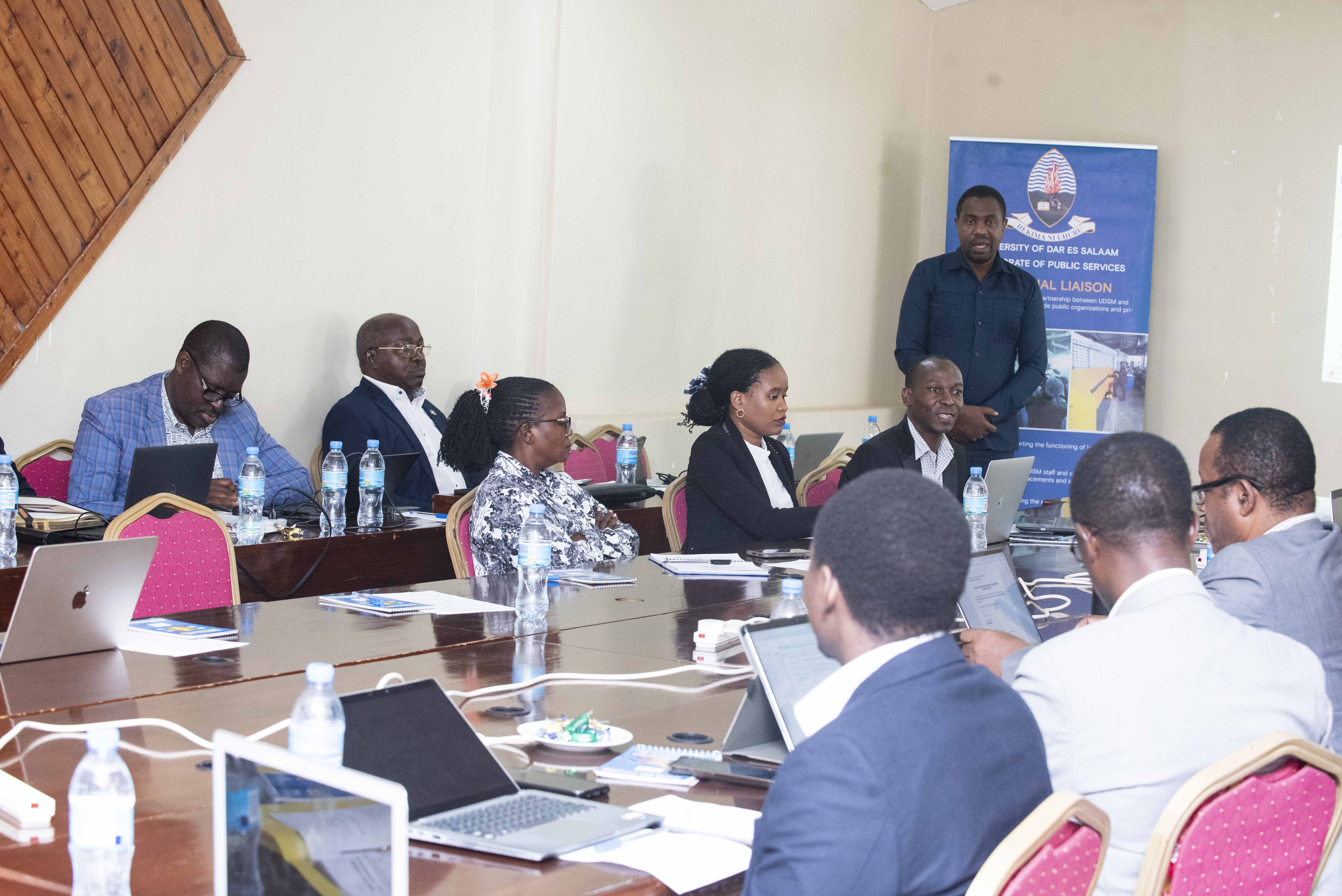
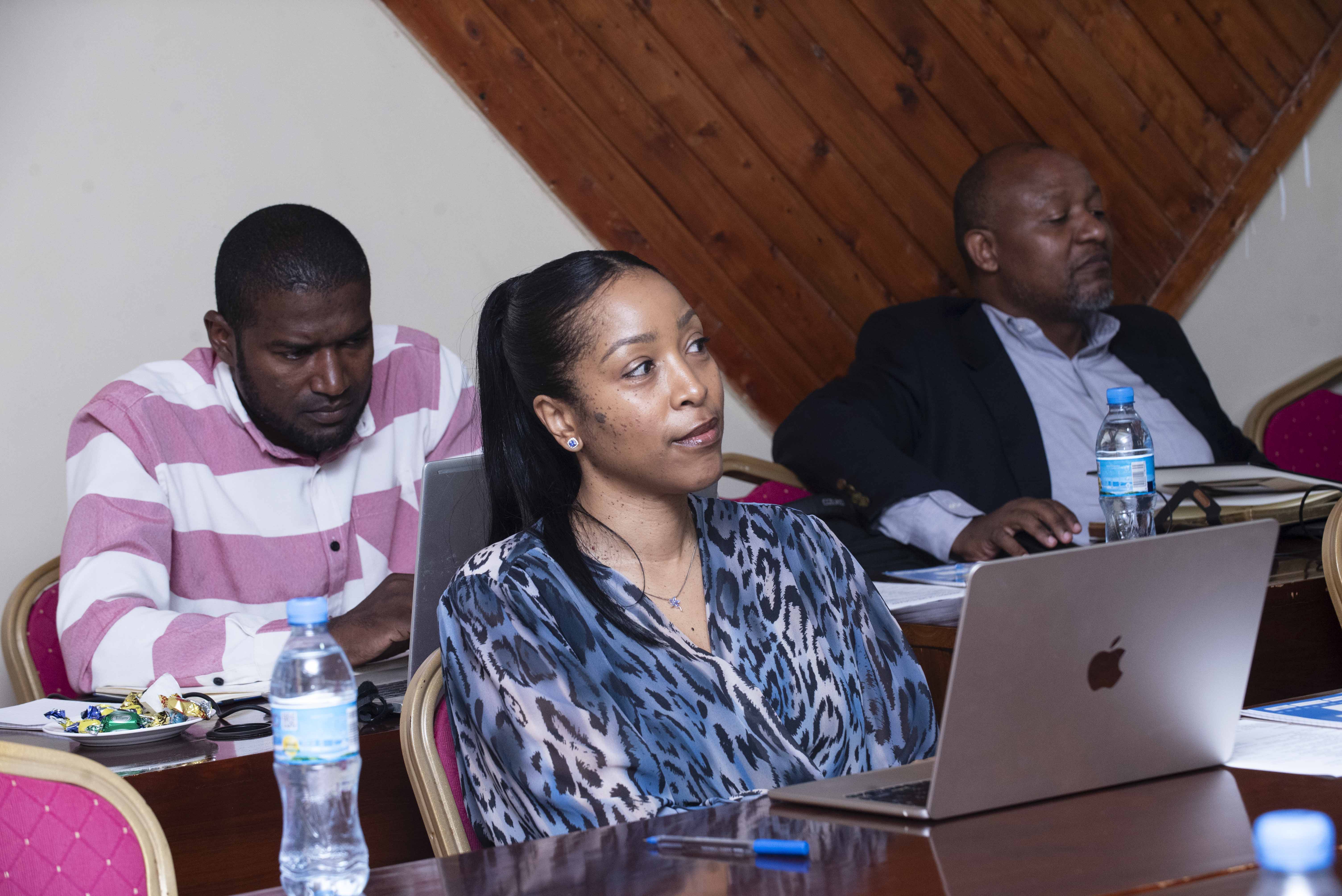
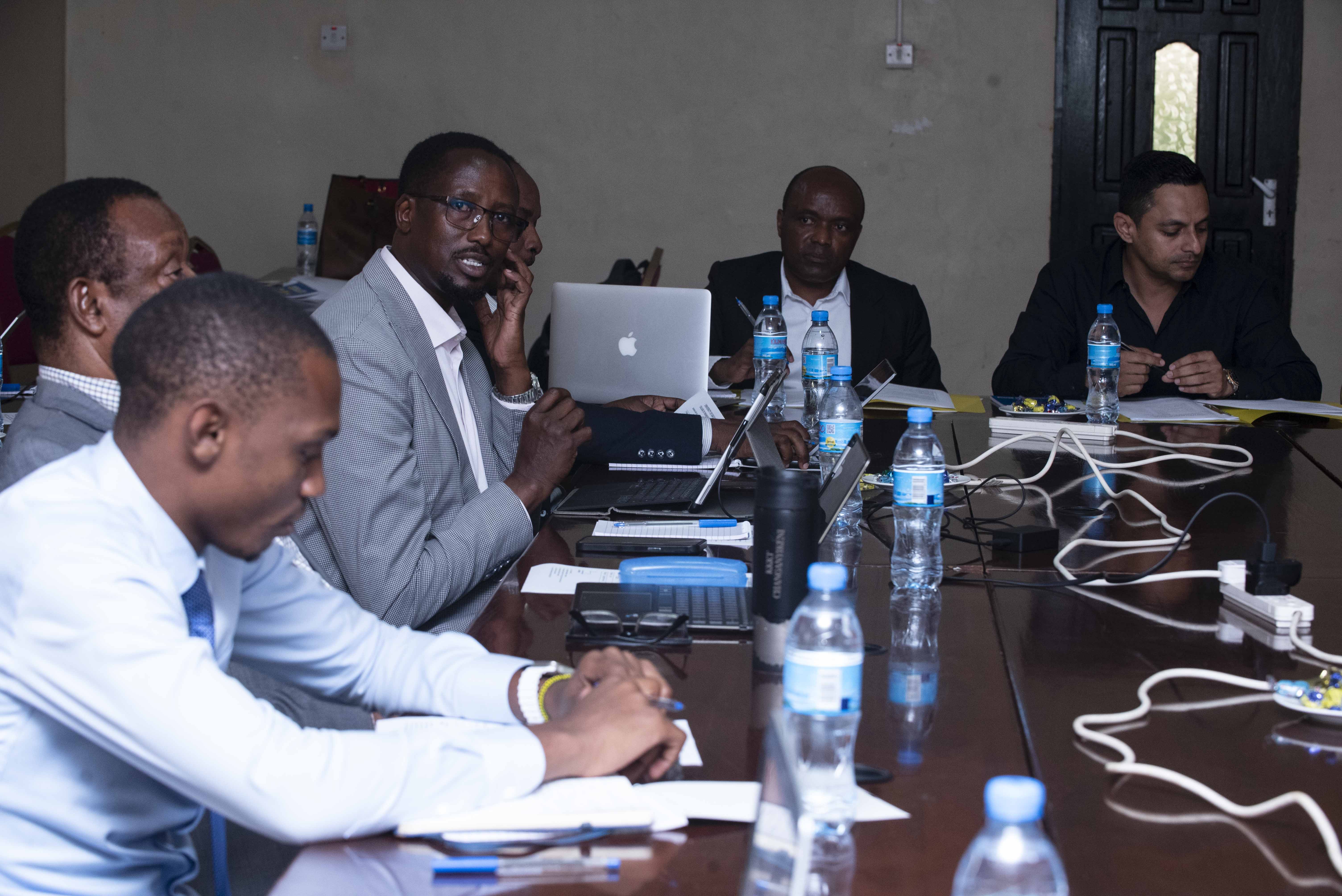
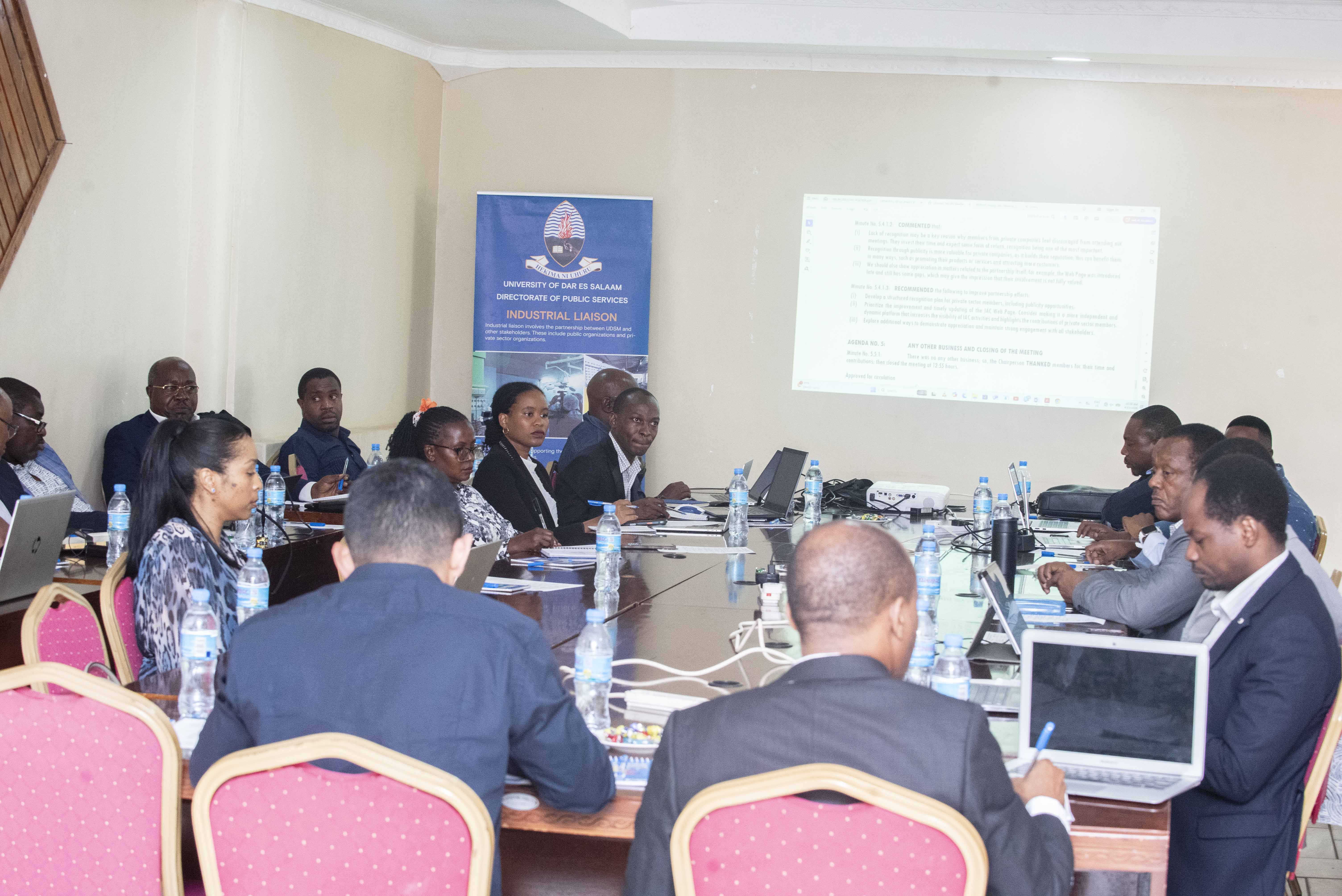
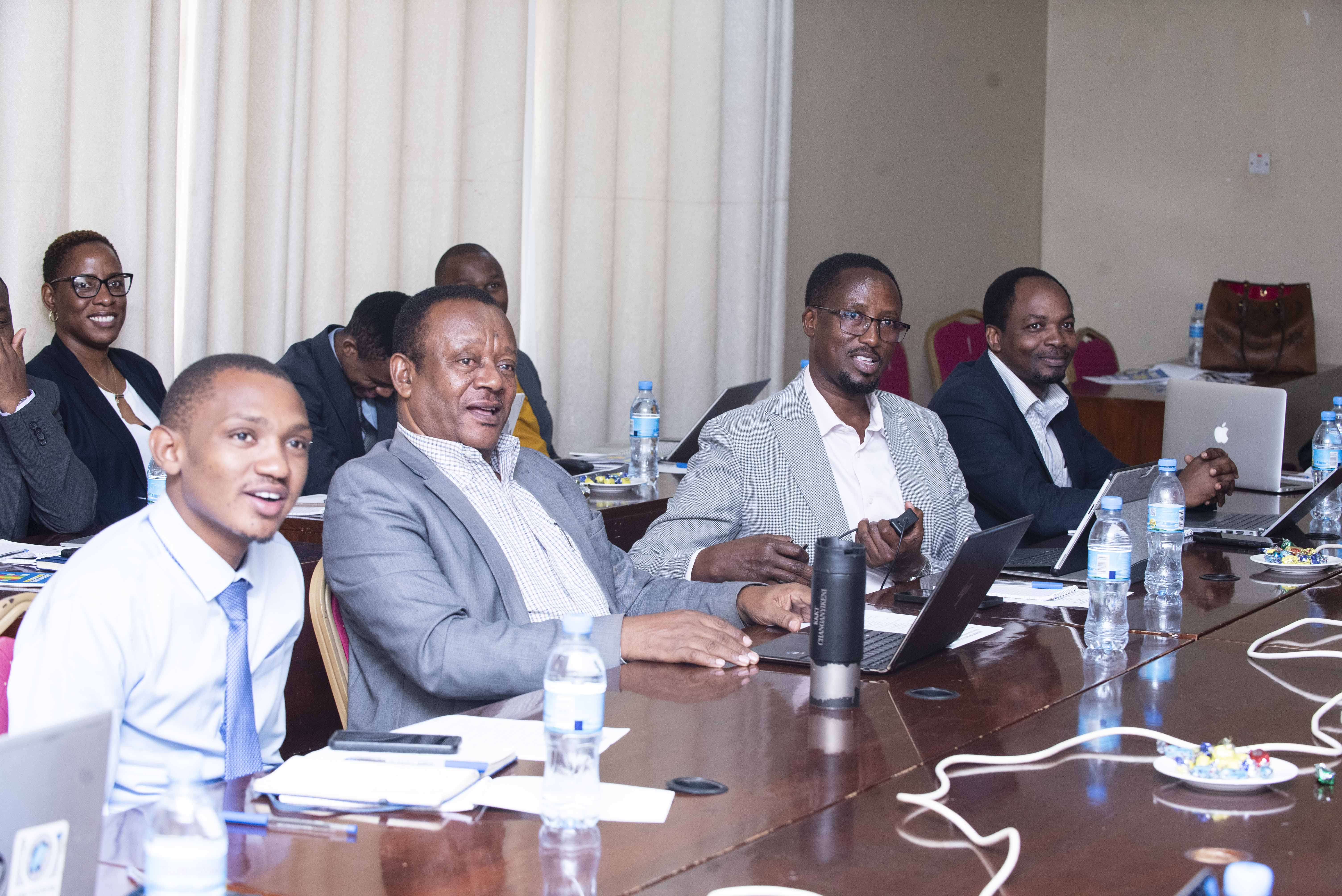
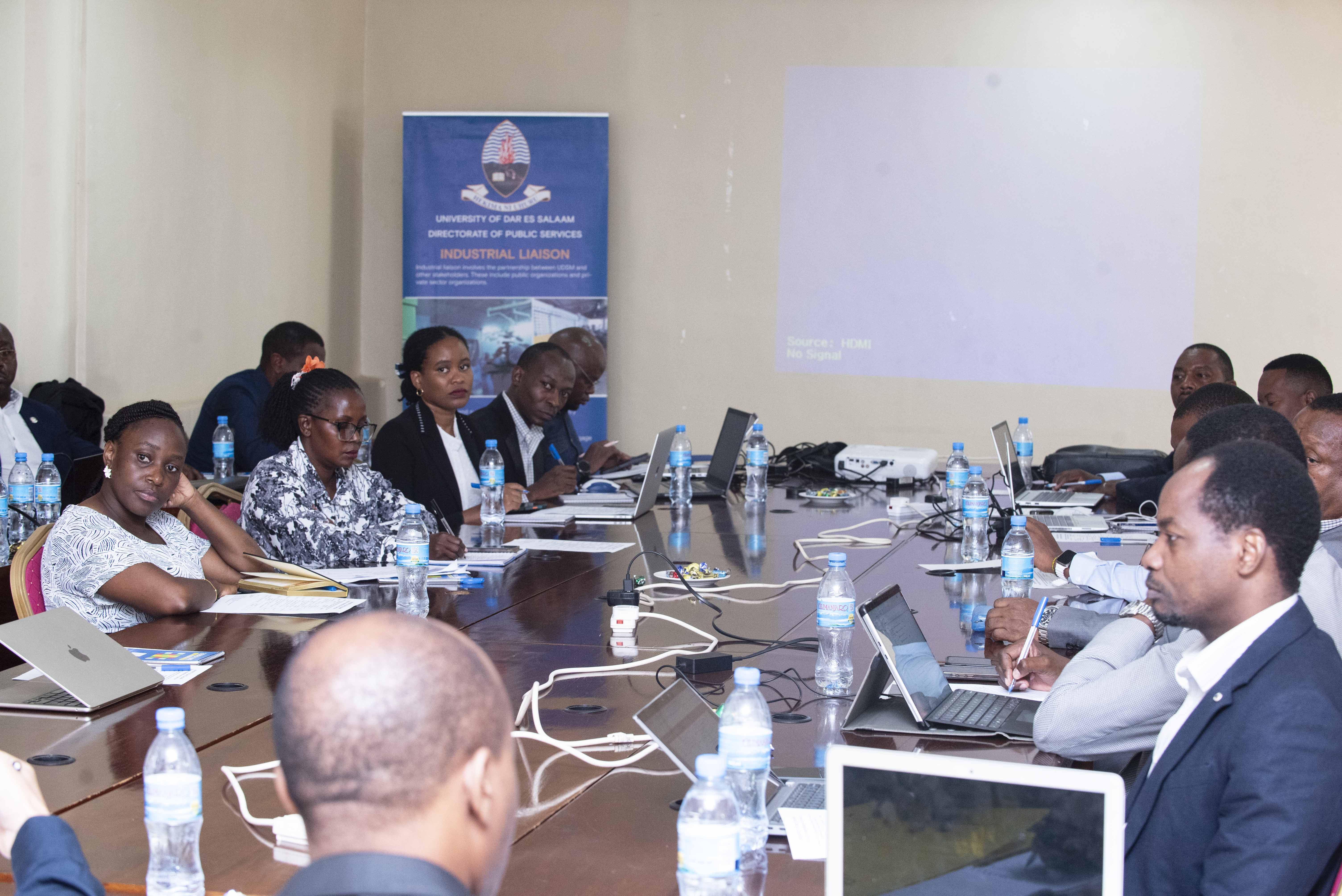
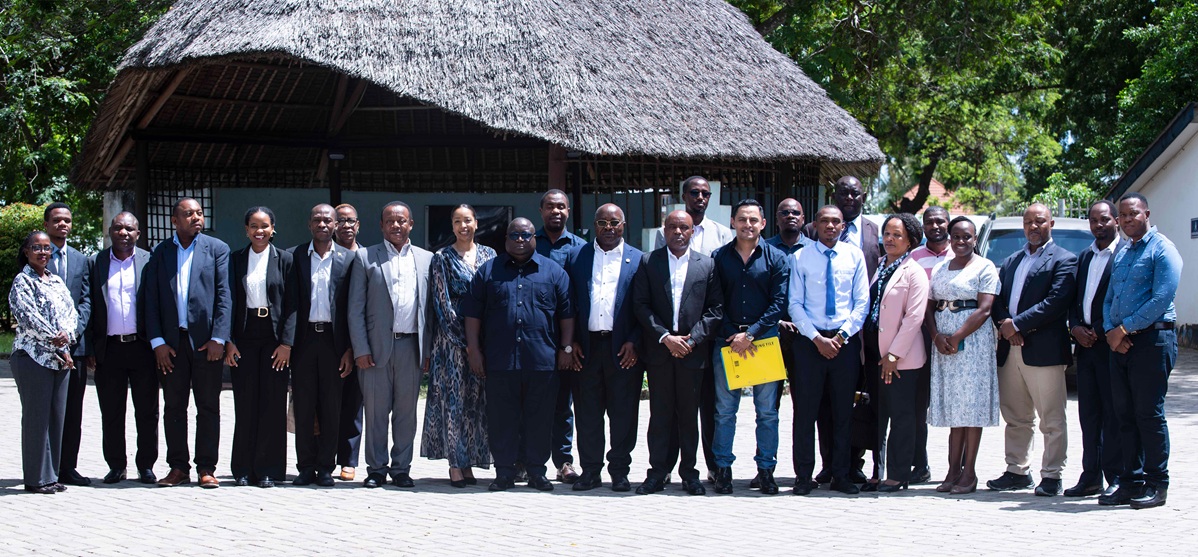
These achievements were formally recognized during the 6th Regular IAC Meeting held on 13 April 2026 at Silver Sand Hotel Kunduchi, Dar es Salaam, where leaders from academia, industry, and government convened to assess progress and map the way forward.
Speaking at the session, the IAC Chairperson, Mr. Dhruv Jog, Managing Director of Advent Construction Ltd. emphasized the Committee’s role in delivering tangible impact beyond policy discussions. He stressed that the Committee’s true value lies in implementation.
“The Industrial Advisory Committee is not a ceremonial body. It is a functional, action-oriented mechanism through which industry voices are not only heard but heeded,” he said, noting that its work directly shapes curriculum design, internships, and research collaborations.
Speaking on behalf of the Secretariat, the Principal of the College of Engineering and Technology (CoET) at UDSM, Dr. Innocent Macha underscored the importance of such partnerships in modern higher education. “No university can afford to operate in isolation. Employers demand graduates who are not only knowledgeable but industry-ready. The IAC is our bridge to the real world”.
He added that today’s students increasingly value employability alongside academic achievement, making practical exposure and professional skills essential components of quality education.
The meeting also served as a platform to honour outgoing IAC members, whose tenure delivered the scholarship programme and expanded internship pathways. “Quality engineering education is not only about what happens in lecture halls and laboratories; it is also about how students are connected to industry and prepared for real-world challenges,” the Chairperson remarked, commending members for turning partnerships into measurable results.
In a move expected to sustain and expand these gains, the Committee elected new leadership for the 2025/2026–2028/2029 term. Dhruv Jog was again unanimously elected Chairperson, with Mr. Simon Shayo, Vice President – Sustainability and Corporate Affairs (Africa), AngloGold Ashanti company, as Deputy Chairperson.
Driving a results-oriented agenda
Accepting the role, Mr. Jog pledged to drive a results-oriented agenda. “My commitment is to ensure the IAC moves from advice to action. We will open doors for students, connect faculty with real industrial challenges, and ensure our curriculum remains forward-looking”.
Mr. Shayo echoed the vision, highlighting the central role of sectors such as mining and construction in Tanzania’s economic transformation. “We must ensure our graduates are equipped not just for today’s jobs but for the future of industry”.
The meeting further welcomed new members from strategic sectors including mining, oil and gas, construction, and geology, signalling deeper integration between academia, regulators, and industry.
Academic leadership remained central to the discussions, with Prof. Elisante Mshiu and Prof. Shukrani Manya, form the School of Mines and Geosciences (SoMG), contributing insights on curriculum relevance and research collaboration.
During a technical session, participants were reminded that industry is not external to the University but a key partner in shaping the nation’s human capital. The Committee reaffirmed its core mandate of aligning curricula with industry needs, facilitating student placements, and promoting joint research and innovation.
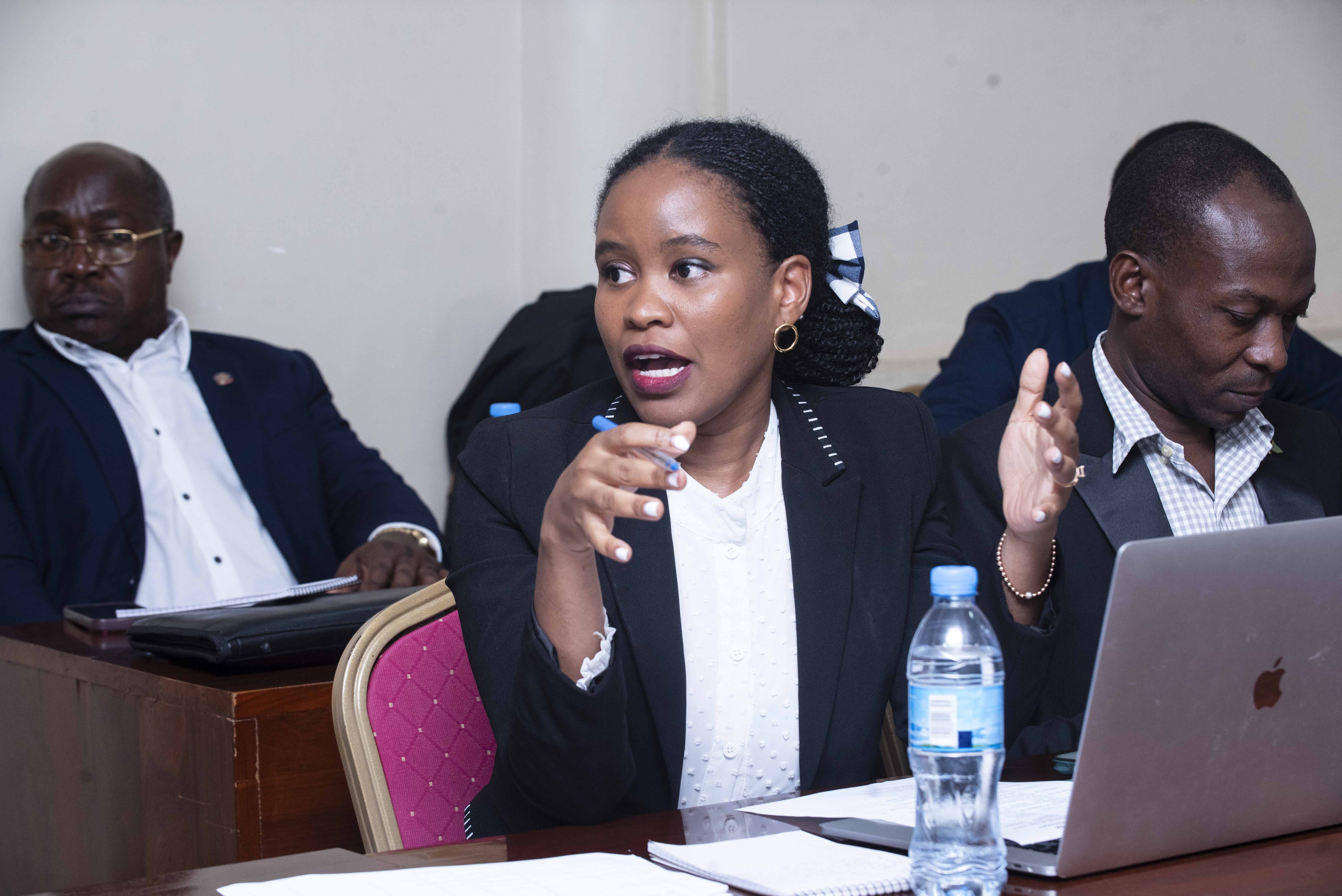
While progress was widely acknowledged, members called for faster implementation of agreed actions. In response, the Committee resolved to establish a monitoring sub-committee to track progress and strengthen accountability—an indication of its shift toward a more results-driven approach.
Additional proposals, including hosting future meetings at industrial sites and organizing sector-specific dialogue were adopted to enhance practical engagement and continuous collaboration.
With a proven track record of securing scholarships and expanding industry opportunities, the UDSM EERM Cluster is steadily positioning itself as a model for industry-driven education in Africa—one that not only imparts knowledge, but also creates pathways to opportunity and national development.