


Africa Urged to Equip Gen Z with Skills and Policies to Create Jobs
By Selemani Nambimbi, CMU
For many young graduates, completing university is supposed to open the door to a promising career. Yet, as competition for formal employment intensifies, a degree or certificate alone may no longer guarantee a livelihood.
Increasingly, young people must also be equipped to turn their knowledge, creativity and ideas into businesses and employment opportunities.
However, preparing them to become job creators requires more than encouraging entrepreneurship. Education systems must provide practical skills, while government policies and regulations must create an environment in which emerging businesses can grow.
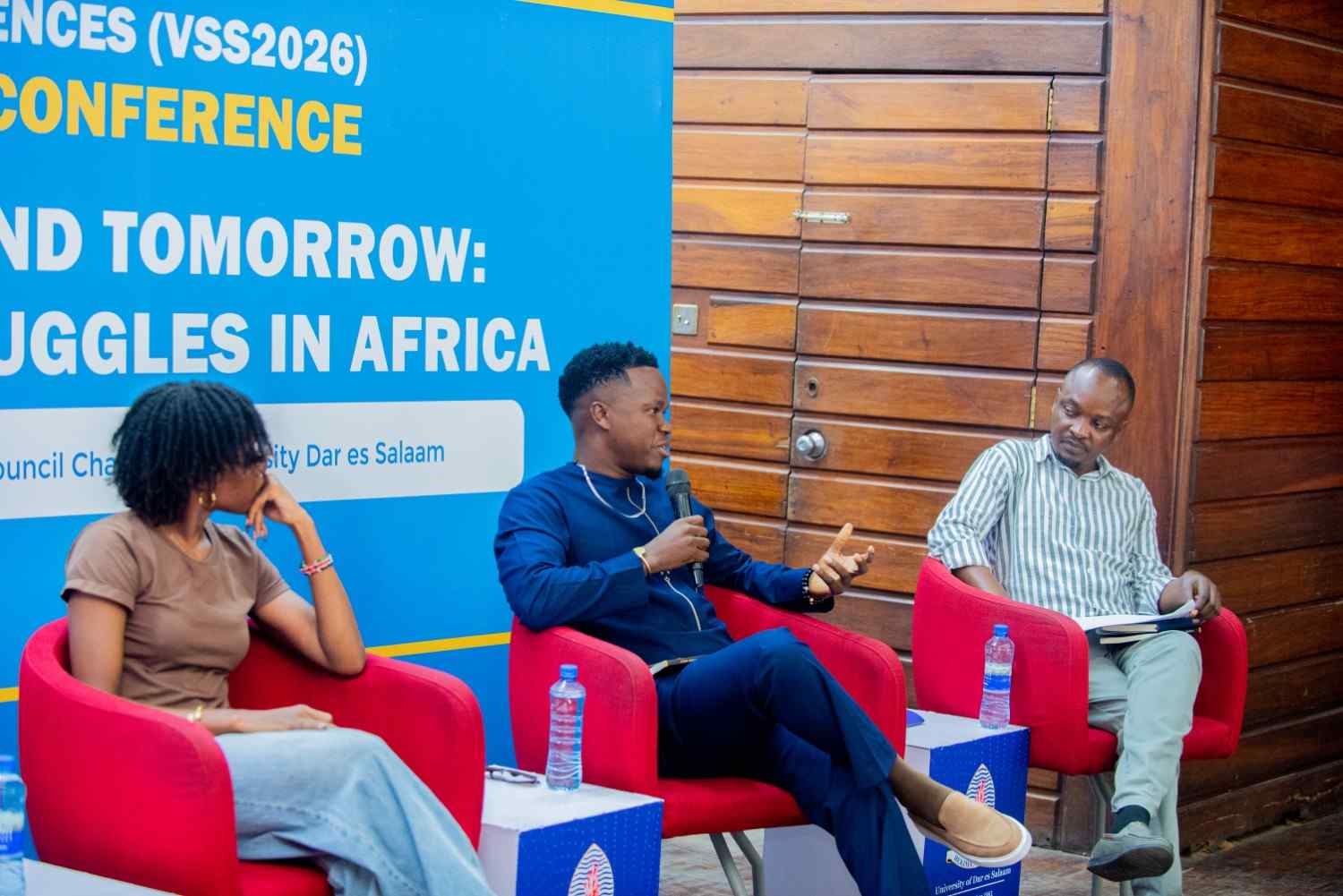
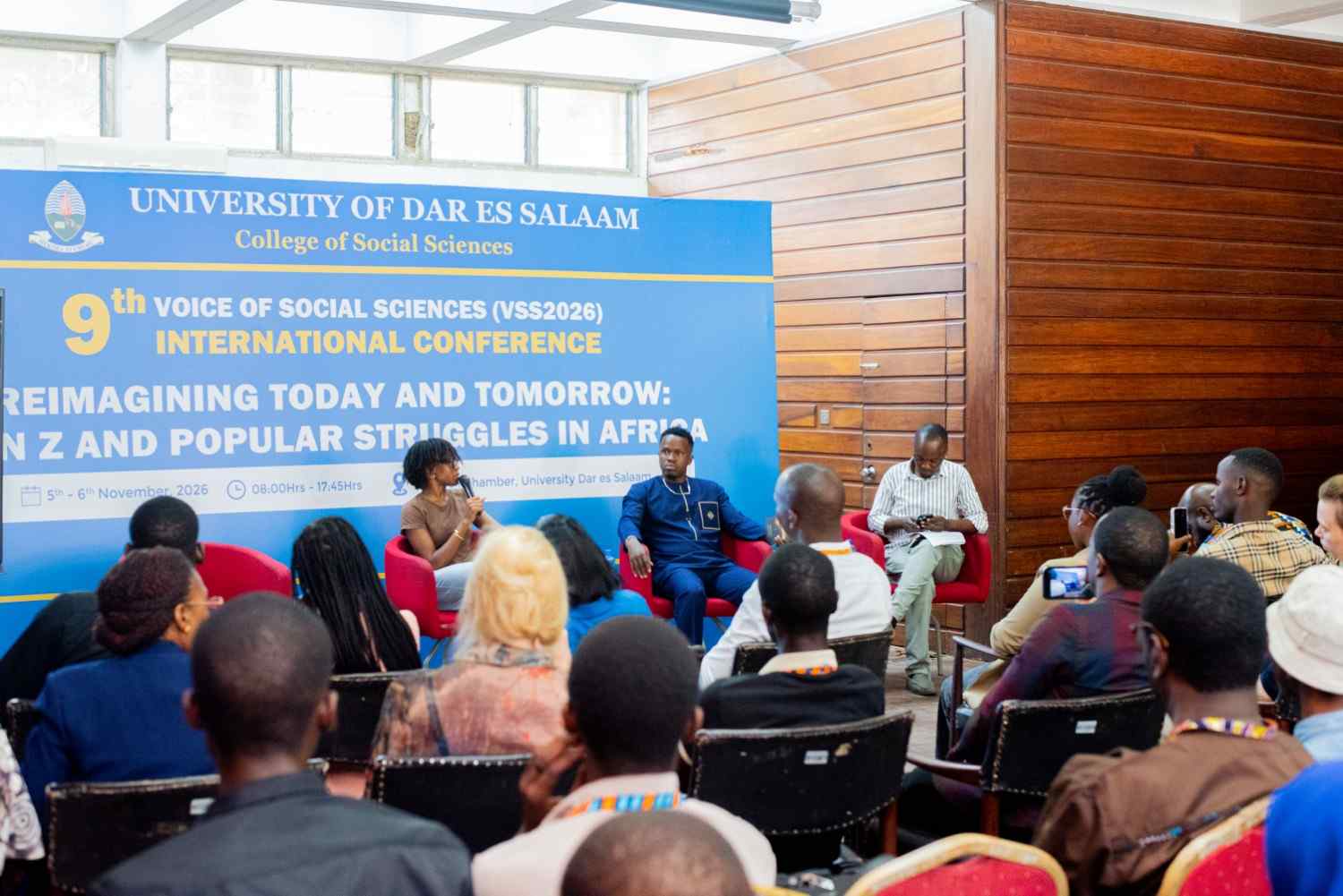
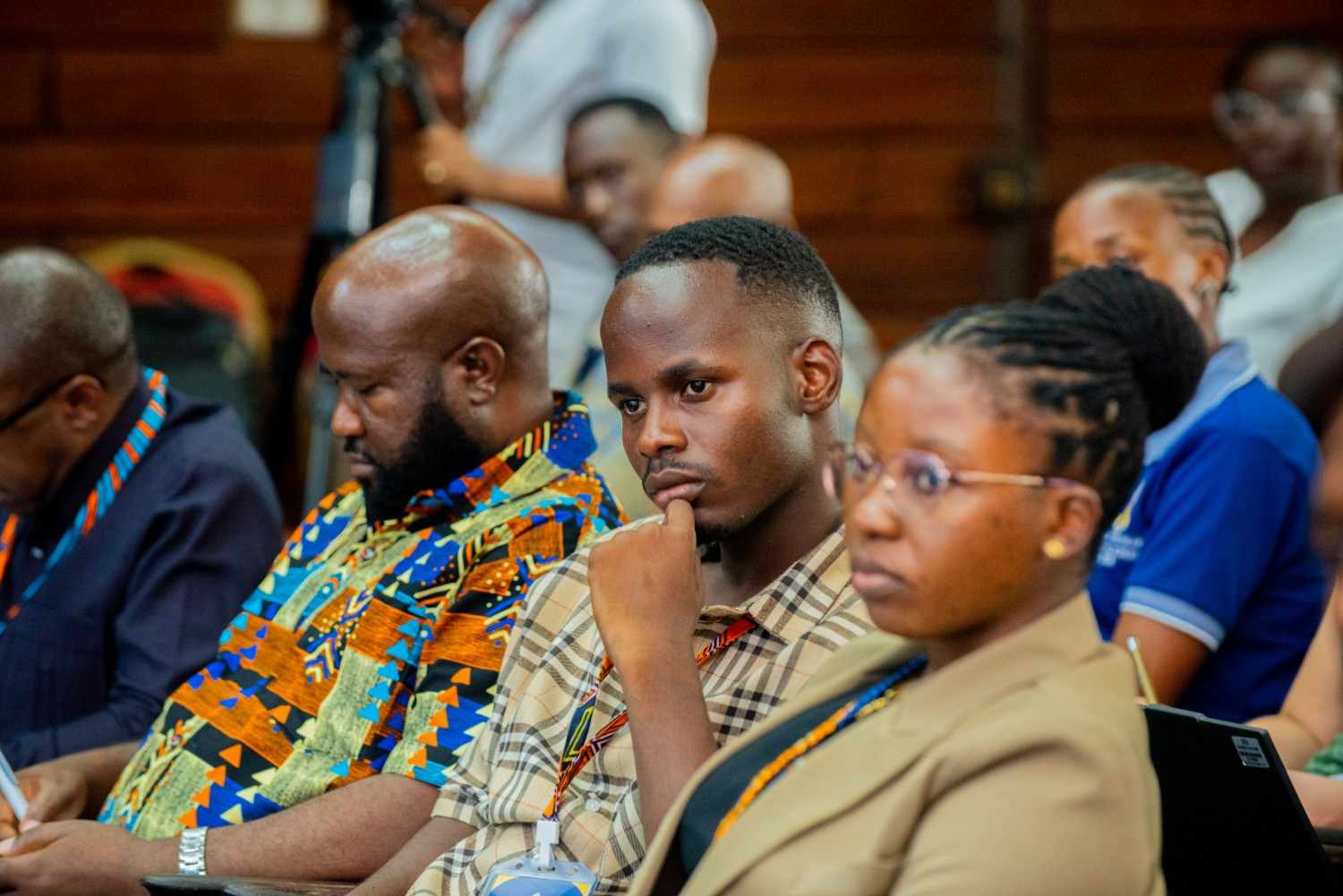
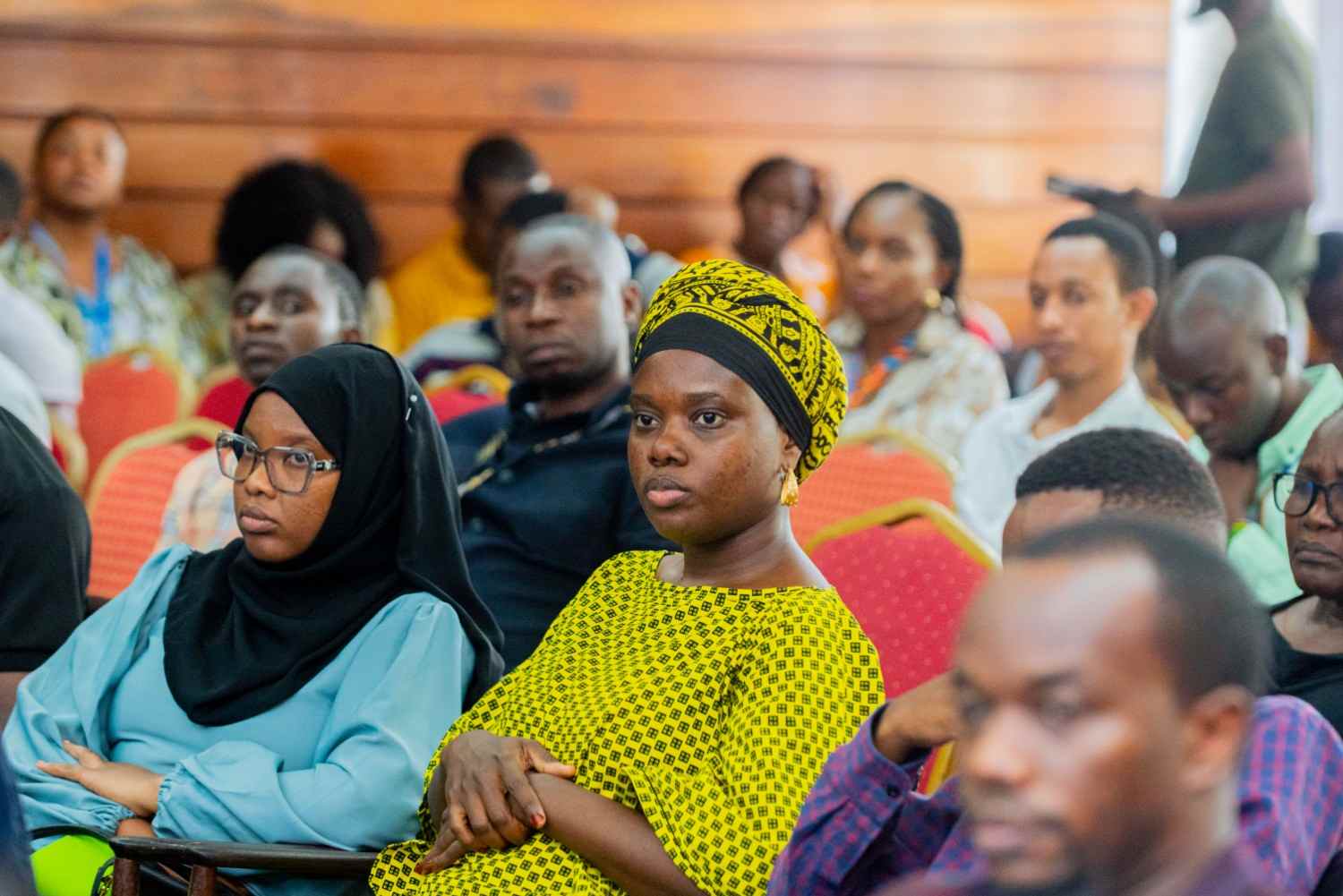
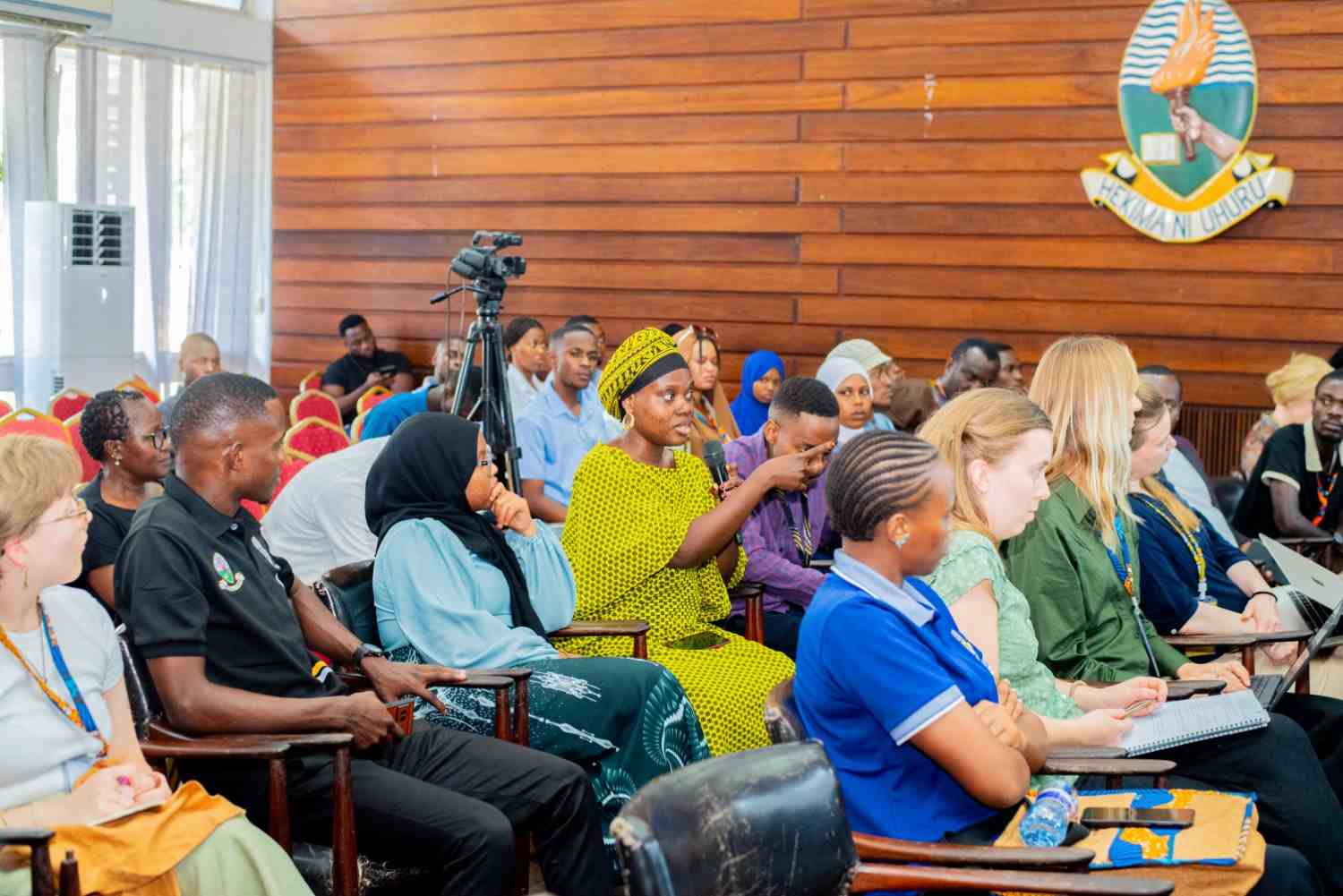
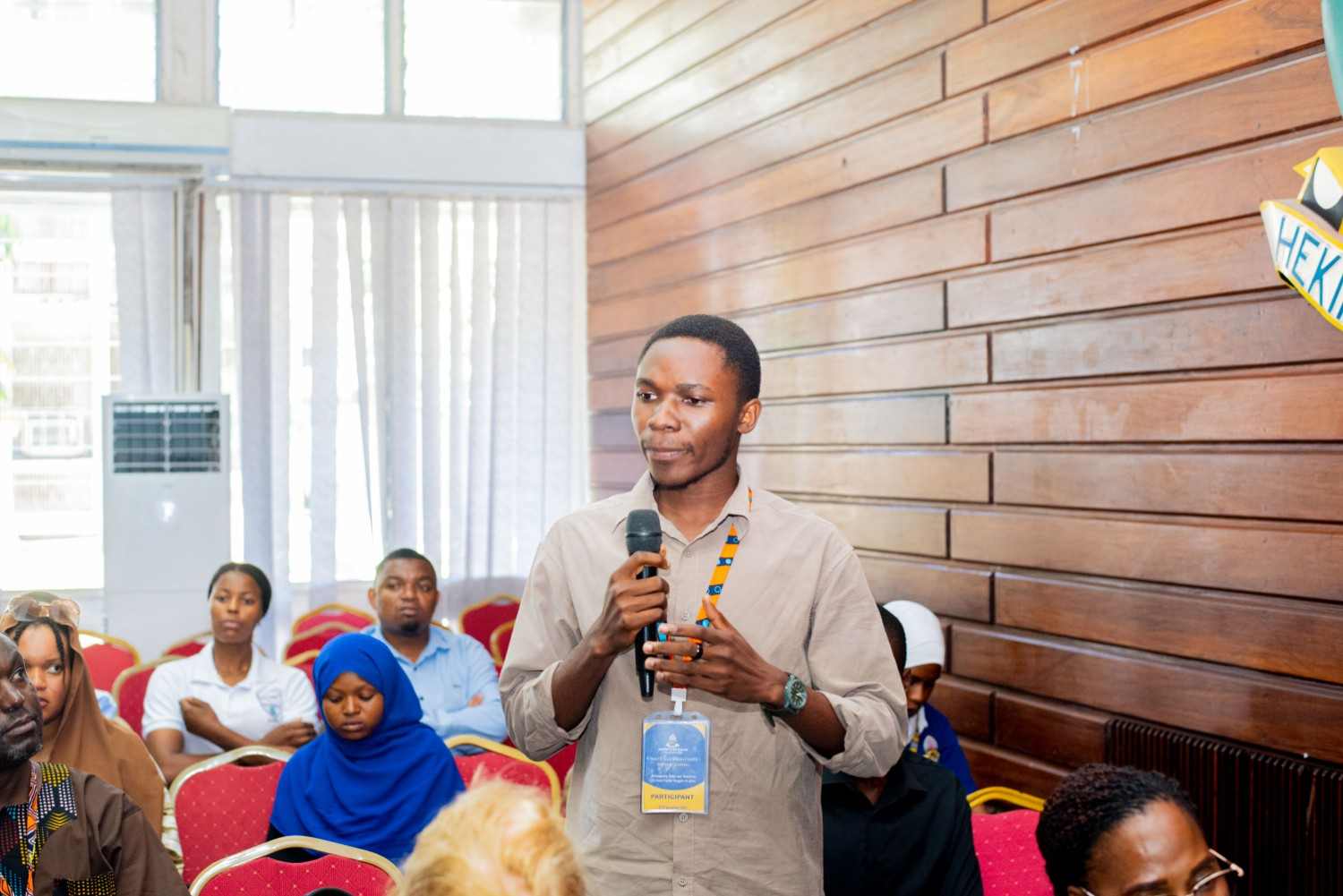
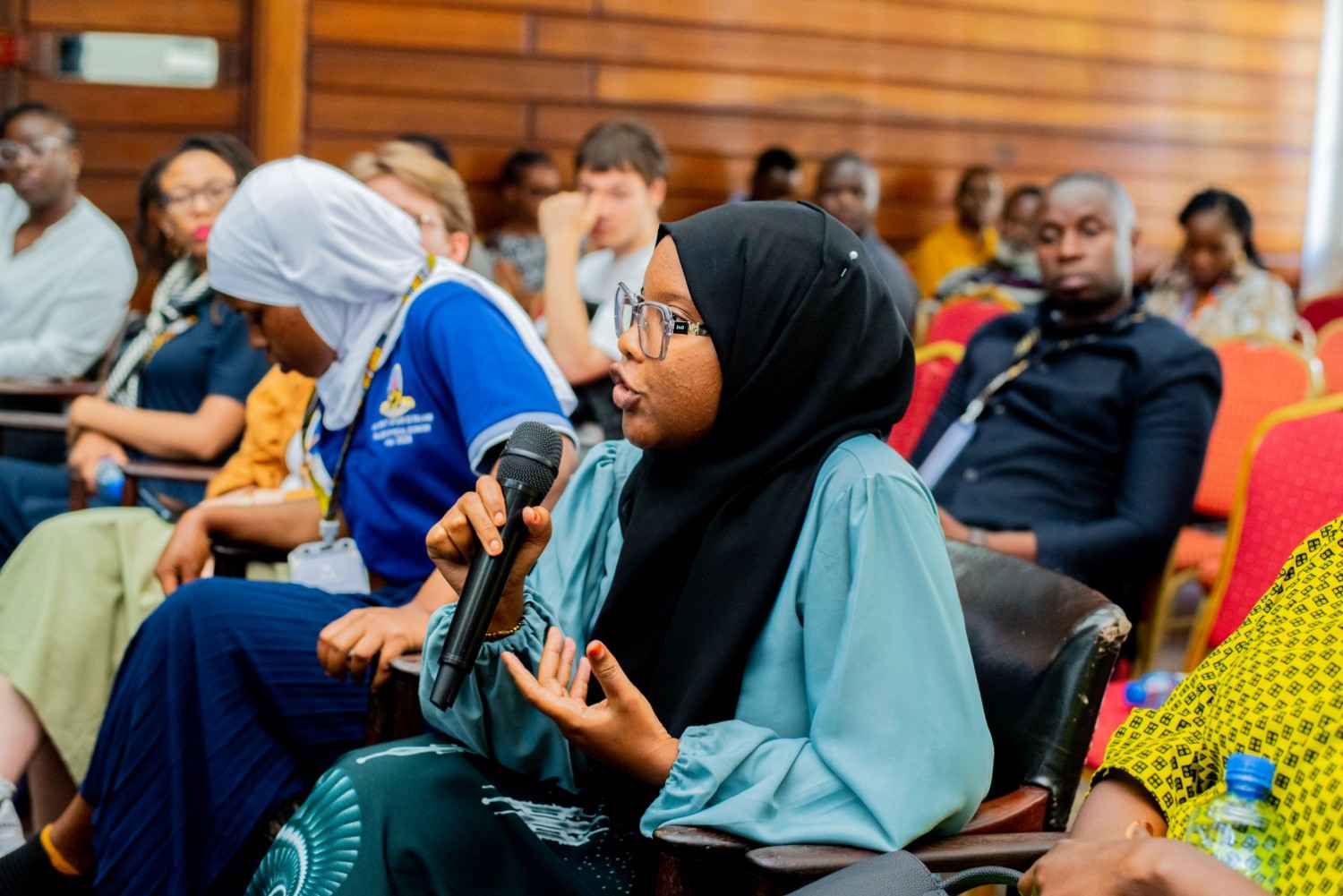
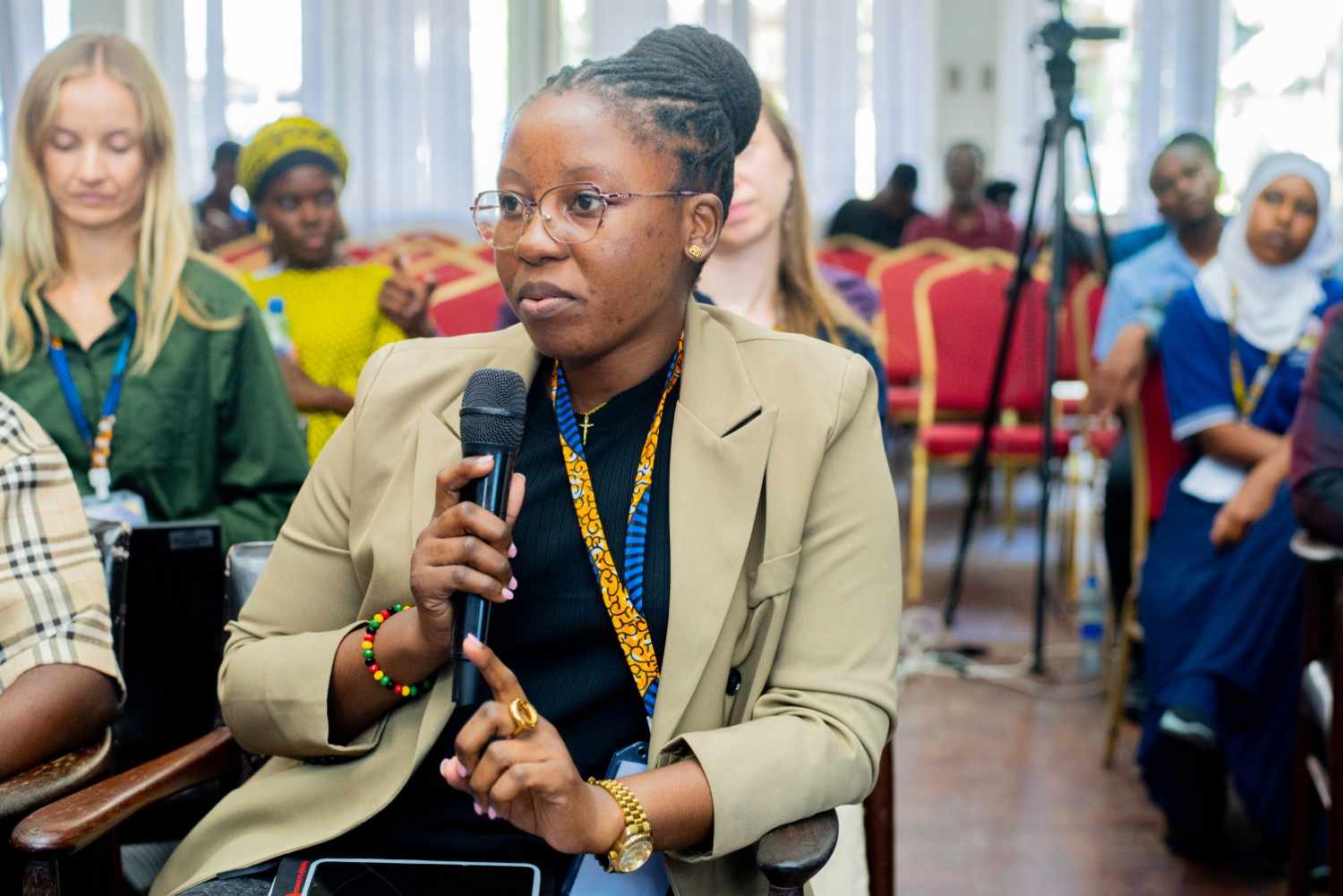
This was a key message emerging from discussions at the Voice of Social Sciences International Conference (VSS2026), held on 6 November at the University of Dar es Salaam's (UDSM) Mwalimu Julius K. Nyerere Campus, where speakers challenged African governments and higher learning institutions to rethink education and economic policies to unlock Generation Z's potential.
Addressing the conference, Doreen Michael, an Information Technology, Gender and Digital speaker, called for a review of regulatory and taxation frameworks governing young people's participation in the expanding digital, creator and gig economies.
She observed that young people are increasingly using digital platforms to create content, offer online services and establish alternative sources of income. However, regulatory requirements and taxation policies can make it difficult for emerging entrepreneurs to formalise and grow their businesses.
"Instead of treating the informal digital economy as a threat, we should be asking how to make it more inviting for young people. The question is not how many businesses are registered, but whether the formalisation process is actually improving people's lives," she said.
Michael argued that encouraging young people to create employment must go hand in hand with policies that support the survival and growth of their enterprises.
She called for stronger government-private sector partnerships, improved internet infrastructure and wider access to digital facilities and tools to enable young entrepreneurs to participate more effectively in the digital economy.
She also proposed considering supportive taxation measures, including possible tax-free periods for emerging digital businesses, and improving young people's awareness of the laws and regulations governing digital economic activities.
Rethink education beyond certificates
While supportive policies are essential for businesses to thrive, Makerere University Student Guild President Gracious Kadondi challenged African governments and higher learning institutions to reconsider education systems that place greater emphasis on academic certificates than practical skills and the ability to solve real-world problems.
She argued that education should prepare graduates not only to compete for existing jobs but also to identify opportunities, use available resources and establish enterprises capable of employing others.
"Education should not just be about passing examinations, getting certificates or gaining recognition from the institutions we attend. We need an education system that prepares young people to create their own industries, use existing resources and generate employment opportunities," Kadondi said.
She challenged education policymakers to place greater emphasis on practical learning, innovation and entrepreneurship, enabling graduates to translate their academic knowledge into solutions to societal and economic challenges.
Kadondi noted that the difficulties many educated young people face in securing employment underscore the need to rethink how universities prepare students for life after graduation.
Her argument points to a critical question for higher education institutions: how can graduates leave university not only qualified to seek employment but also equipped to identify opportunities, establish businesses and create jobs?
Connecting education, enterprise and economic opportunity
The contributions by Michael and Kadondi highlighted two interconnected dimensions of youth economic empowerment: equipping young people with relevant knowledge and practical skills, and ensuring that the policies governing economic activities allow them to turn their ideas into viable enterprises.
The discussions underscored that encouraging entrepreneurship without addressing regulatory barriers, or promoting education without strengthening practical competencies, risks leaving young people with ambitions but limited opportunities to realise them.
The broader VSS2026 discussions examined challenges and opportunities facing Generation Z, including youth employment, entrepreneurship, digital activism, social media, democratic governance, accountability, science and technology, and the effects of climate change.
Through the conference, UDSM continues to connect academic research and public dialogue with pressing societal concerns, providing a platform for ideas and perspectives that can inform policies and approaches to inclusive development.
Ultimately, the challenge facing Africa is not simply to produce more graduates or encourage more young people to start businesses. It is to build education systems that equip them to innovate and create employment, alongside economic policies that give their ideas a genuine opportunity to grow.