

-
 Get to know the dedicated professionals behind our success
 -

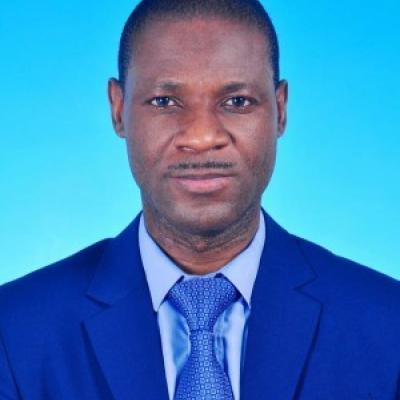
Samwel Mchele Limbu
Biography
Prof. Samwel Mchele Limbu is an Associate Professor of Aquaculture Nutrition and Environmental Health at the University of Dar es Salaam, where he currently serves as Head of the Department of Quality Assurance in Research, Publication and Innovation. He obtained his Bachelor of Science in Fisheries and Aquaculture from UDSM in 2007 and later earned a Master of Science in Aquaculture Nutrition from the University of Stirling, Scotland, in 2010. His research focuses on aquatic animal nutrition and feed formulation; the environmental health impacts of antibiotics on aquatic species and the associated human health risks; and aquaculture production and farming practices in Africa. Prof. Limbu has worked extensively with small-scale farmers to enhance aquaculture’s contribution to food security, income generation, and rural employment, and his scholarly output includes more than 120 peer-reviewed journal articles and six book chapters. He also serves as Academic Editor for the Journal of Applied Aquaculture published by Taylor & Francis, underscoring his international visibility and leadership in advancing sustainable aquaculture research and practice. Prof. Samwel Mchele Limbu has earned multiple prestigious awards, including Best Researcher of the Year (2021, 2024, 2025), scholarly distinction, international student scholarships, and recognition for outstanding academic performance, publications, and leadership, reflecting global excellence in aquaculture research and education.
Research Interest
Prof. Samwel Mchele Limbu’s research interests lie at the intersection of aquaculture nutrition, environmental health, and sustainable production systems. His work explores the effects of dietary interventions and feed additives, such as L-carnitine, probiotics, and high-fat diets, on growth performance, lipid metabolism, oxidative stress, mitochondrial function, and nutrient composition in key aquaculture species, including Nile tilapia, African catfish, Chinese mitten crab, and rice field eel. He also investigates the role of intestinal microbiota in mitigating feed-related toxicities and enhancing fish health. Beyond laboratory studies, his research extends to practical farming innovations, including cage nursing of tilapia fry for stock enhancement, and socio-economic analyses of aquaculture practices and market participation, particularly in African contexts. Collectively, his scholarship integrates molecular biology, fish physiology, feed formulation, and farmer-centred production strategies to advance aquaculture’s contribution to food security, income generation, and environmental sustainability.
Contacts
Email:
Projects
From 2024 to date, I am participating in a project titled “Asia-Africa BlueTech Superhighway – Climate-smart Post-harvest Technologies” sponsored by UK International Development.
From 2023 to date, I am participating in a project titled “INNOECOFOOD - Eco-Innovative Technologies for Improved Nutrition, Sustainable Production and Marketing of Agroecological Food Products in Africa” sponsored by European Union.
From November 2023 to January 2024, I worked at SAMEKI Fish Farm as an industrial attachment from the University of Dar es Salaam working with the community to solve the problem of availably of quality fish feed.
From 2020 to 2014, I participated in a project titled “BlueGRASI - Developing protocols for breeding silver pompano and rabbit fish in captivity in Tanzania and Kenya, assessing the performance of silver pompano and rabbit fish”.
From December 2020 to date, I am participating in a project titled “Assessment of antibiotic residues in commonly consumed marine fish and potential human health risk along the Tanzanian coast”.
From November 2020 to date, I am participating in a project titled “Increased Urban Tilapia Farming by Developing Recirculating Aquaculture System (RAS) Technology”.
From June 2016 to 2020, participated in a research titled “Benefits and Risks of Antibiotics on Fish”.
From June 2012 to 2016 I participated in a research titled “Integrating Agriculture and Aquaculture for Increased Farm Productivity” under a government funding through Tanzania Commission for Science and Technology (COSTECH).
Publications
Publications in Peer-Refereed Journals
- Luyao Xu, Jiamin Li, Ao Luo, Jiujie Zhou, Samwel M. Limbu, Jialing Xu, Peiyan Lu, Tingting Li, Xiaoxuan Qi and Mo Peng (2026). Effects of dietary L-carnitine on growth performance, lipid metabolism, oxidative stress, mitochondrial function and endoplasmic reticulum stress of rice field eel (Monopterus albus) fed high-carbohydrate-diets. Aquaculture, 610: 742864. https://doi.org/10.1016/j.aquaculture.2025.742864
- Samwel Jonathan Nassary and Samwel Mchele Limbu (2025). For sale or not? Exploratory analysis on the nexus between finfish aquaculture practices and market participation. Aquaculture Economics & Management, https://doi.org/10.1080/13657305.2025.2542818
- Fang Qiao, Samwel Mchele Limbu, Juncheng Yuan, Yuan Luo, Meiling Zhang, Wuying Chu, Xugan Wu and Zhen-Yu Du (2025). Time-dependent dynamic alterations of flesh nutrient composition and texture quality in Nile tilapia (Oreochromis niloticus) fed on high-fat diet. Aquaculture Reports, 44: 103030. https://doi.org/10.1016/j.aqrep.2025.103030
- Fei-Fei Ding, Nan-Nan Zhou, Yue-Jian Mao, Jing Yang, Samwel M. Limbu, Jorge Galindo-Villegas, Zhen-Yu Du and Mei-Ling Zhang (2025). Lactiplantibacillus plantarum attenuate gossypol-induced hepatic lipotoxicity by altering intestinal microbiota for enriching microbial tryptophan metabolites in Nile tilapia (Oreochromis niloticus). Microbiome, 13: 180. https://doi.org/10.1186/s40168-025-02172-0
- Omega Anthony Vicent, Edmond Alvaisha and Samwel Mchele Limbu (2025). Nursing Nile tilapia (Oreochromis niloticus, L) fry in cages improves growth performance, condition factor and growth pattern for stock enhancement. Journal of Great Lakes Research, 51(4): 102587. https://doi.org/10.1016/j.jglr.2025.102587
- Yan-Yu Zhang, Jun-Xian Wang, Samwel Mchele Limbu, Rui-Xin Li, Wen-Hao Zhou, Fang Qiao, Mei-Ling Zhang, Yuan Luo and Zhen-Yu Du (2025). Mitochondrial fatty acid oxidation dysfunction impairs autophagic flux through ATP deficiency caused by lysosomal pH abnormity. The Journal of Nutritional Biochemistry, 143: 109943. https://doi.org/10.1016/j.jnutbio.2025.109943
- Eliengerasia Godliving Koka, Catherine Aloyce Masao, Samwel Mchele Limbu, Charles Joseph Kilawe; Joel Norbert; Noah Makula Pauline; Joseph Perfect; Edmund Mabhuye (2025). A systematic review on distribution, sources and impacts of heavy metals in mangrove ecosystem. Marine Pollution Bulletin, 213; 117666. https://doi.org/10.1016/j.marpolbul.2025.117666
- Youqin Kong, Qiuyu Gao, Dong Zhou, Qiao Feng, Zhili Ding, Samwel Mchele Limbu and Jinyun Ye (2025). Dietary yeast hydrolysate improves growth performance, antioxidant capacity, immunity, and intestinal microbiota of juvenile giant freshwater prawn (Macrobrachium rosenbergii). Animal Feed Science and Technology, 319; 116196. https://doi.org/10.1016/j.anifeedsci.2024.116196
- Zhe Wang, Wen-Xin Dong, Fang Qiao, Samwel M. Limbu, Zhen-Yu Du and Mei-Ling Zhang (2025). Bacillus amyloliquefaciens SS1-fermented soybean meal influenced the flesh texture of Nile tilapia: Involvement of microbial metabolite propionate. Aquaculture, 596(2): 741855. https://doi.org/10.1016/j.aquaculture.2024.741855
- Hector Victor, Yu Liu, Mingtao Lei, Samwel Mchele Limbu and Yan Wang (2025). Effect of L-carnitine supplementation on growth performance, feed utilization, body composition and antioxidant capacity of large yellow croaker Larimichthys crocea fed at two dietary lipid levels. Aquaculture International, 33(63). https://doi.org/10.1007/s10499-024-01736-5
- Jun-Xian Wang, Yuan Luo, Samwel Mchele Limbu, Yu-Cheng Qian, Yan-Yu Zhang, Rui-Xin Li, Wen-Hao Zhou, Fang Qiao, Li-Qiao Chen, Mei-Ling Zhang and Zhen-Yu Du (2024). Inhibiting mitochondrial citrate shuttling induces hepatic triglyceride deposition through lipid anabolic remodeling. The Journal of Nutritional Biochemistry, 131: 109678. https://doi.org/10.1016/j.jnutbio.2024.109678
- Samwel Mchele Limbu (2024). Dietary low-fat content supplemented with oxytetracycline impairs physiological functions in Nile tilapia (Oreochromis niloticus) fingerlings. Animal Research and One Health, 2(2): 158-171 https://doi.org/10.1002/aro2.54
- Mwanahija S. Shalli, Aviti J. Mmochi, Alex P. Rubekie, Gloria K. Yona, Amon P. Shoko, Samwel M. Limbu, Chacha J. Mwita, Hieromin A. Lamtane, Salum S. Hamed, Narriman S. Jiddawi and Levinus L. Mapenzi (2024). The contribution of milkfish (Chanos chanos) pond farming to socio-economics and coastal community livelihoods for a sustainable blue economy in Tanzania. Aquaculture International, 32: 4915–4931. https://doi.org/10.1007/s10499-024-01408-4
- Dong Zhou, Ziming Zhao, Weixin Wu, Zihan Li, Shanshan Wei, Qiuyu Gao, Zhili Ding, Samwel Mchele Limbu and Youqin Kong (2024). Dietary chromium promotes growth, immunity, antioxidant capacity, insulin signaling pathways, and glucolipid metabolism in juvenile oriental river prawn (Macrobrachium nipponense), Aquaculture Reports, 35: 101960. https://doi.org/10.1016/j.aqrep.2024.101960
- Hector Victor, Yu Liu, Samwel Mchele Limbu and Yan Wang (2024). Dietary L-carnitine and nucleotides synergistically enhance growth performance, feed utilization and antioxidant capacity of largemouth bass (Micropterus salmoides) fed a high fat diet. Aquaculture International, 32: 4737–4756. https://doi.org/10.1007/s10499-024-01399-2
- Yi-Fan Qian, Samwel M. Limbu, Fang Qiao, Yuan Luo, Li-Qiao Chen, Mei-Ling Zhang and Zhen-Yu Du (2024). Seeking the best alternatives: a systematic review and meta-analysis on replacing fishmeal with plant protein sources in carnivorous fish species. Reviews in Aquaculture, 16(3):1099-1126. https://doi.org/10.1111/raq.12888
- Qiang Ma, Houguo Xu, Samwel Mchele Limbu, Yuliang Wei, Mengqing Liang (2023). Comparative analysis of glucose and fructose tolerance in two marine fishes: effects on insulin secretion and acute hypoxia tolerance. Frontiers in Marine Science, 10: https://doi.org/10.3389/fmars.2023.1310415.
- Makemie Mabula, Danielson Kisanga, Siajali Pamba and Samwel Mchele Limbu (2023). Use of GIS-based multicriteria evaluation for improved selection of suitable sites for cage fish farming in Lake Victoria. Aquaculture, Fish and Fisheries, 3(6): 472-486: https://doi.org/10.1002/aff2.138.
- Junbao Wang, Shanshan Li, Yonghui Jian, Jiaxin Song, Jinxian Zheng, Dongsheng Zhou, Youqin Kong, Samwel Mchele Limbu, Jinyun Ye and Zhili Ding (2023). Dietary postbiotics supplementation improves growth, survival rate, antioxidant capacity, non-specific immunity and gut health of juvenile oriental river prawn (Macrobrachium nipponense). Aquaculture Reports, 33: 101771. https://doi.org/10.1016/j.aqrep.2023.101771.
- Qiang Ma, Yuan Luo, Jia Zhong, Samwel Mchele Limbu, Xue Wang, Ling-Yu Li, Liqiao Chen, Fang Qiao, Mei-Ling Zhang, Qiang Lin and Zhen-Yu Du (2023). Hypoxia tolerance in fish depends on catabolic preference between lipids and carbohydrates. Zoological Research, 44(5): 954-966. https://doi.org/10.24272/j.issn.2095-8137.2023.098.
- Fang Jiao, Lei Zhang, Samwel Mchele Limbu, Xiaowen Wang, Xiangwei Wu, Dan Jia, Qi Hu, Lingfu Kong, Baoliang Bi and Hua Rong (2023). A comparison of digestive strategies for fishes with different feeding habits: digestive enzyme activities, intestinal morphology and gut microbiota. Ecology and Evolution, 13(9): e10499. https://doi.org/10.1002/ece3.10499.
- Shanshan Wei, Ting Liu, Yani Zhao, Yang Xiao, Dongsheng Zhou, Jinxian Zheng, Dong Zhou, Zhili Ding, Qiyou Xu, Samwel Mchele Limbu and Youqin Kong (2023). Combined effects of dietary carbohydrate levels and ammonia stress on growth, antioxidant and glucose metabolism in juvenile oriental river prawn (Macrobrachium nipponense). Journal of Experimental Zoology Part A; Ecological and Integrative Physiology, 339(10): 978-993. https://doi.org/10.1002/jez.2747.
- Fang Jiao, Chang Fang, Samwel Mchele Limbu, Yang Zhao, Lei Zhang, Wenjun Gui and Hua Rong (2023). Cyhexatin induces endocrine disruption, apoptosis and DNA hypomethylation in zebrafish (Danio rerio) larvae. Chemosphere, 339: 139769. https://doi.org/10.1016/j.chemosphere.2023.139769.
- Wen-Hao Zhou, Samwel M. Limbu, Yuan Luo, Rui-Xin Li, Jiong Ren, Fang Qiao, Mei-Ling Zhang and Zhen-Yu Du (2023). Dietary acetate promotes growth and nutrients deposition in Nile tilapia (Oreochromis niloticus) through increasing Acetyl-CoA-triggered energy production. Aquaculture, 739750. https://doi.org/10.1016/j.aquaculture.2023.739750.
- Yi-Chan Liu, Samwel Mchele Limbu, Jin-Gang Wang, Mai Wang, Li-Qiao Chen, Fang Qiao, Yuan Luo, Mei-Ling Zhang and Zhen-Yu Du (2023). Dietary docosahexaenoic acid reduces fat deposition and alleviates liver damage induced by D-galactosamine and lipopolysaccharides in Nile tilapia (Oreochromis niloticus). Comparative Biochemistry and Physiology, Part C: Toxicology and Pharmacology, 109603, https://doi.org/10.1016/j.cbpc.2023.109603.
- Rui-Xin Li, Ling-Yun Chen, Samwel M. Limbu, Yu-Cheng Qian, Wen-Hao Zhou, Li-Qiao Chen, Yuan Luo, Fang Qiao, Mei-Ling Zhang and Zhen-Yu Du (2023). High cholesterol intake remodels cholesterol turnover and energy homeostasis in Nile tilapia (Oreochromis niloticus). Marine Life Science & Technology, 5: 56 - 74. https://doi.org/10.1007/s42995-022-00158-7.
- Sheng-Xiang Sun, Yi-Chan Liu, Samwel M. Limbu, Dong-Liang Li, Li-Qiao Chen, Mei-Ling Zhang, Zhan Yin and Zhen-Yu Du (2023). Vitellogenin 1 is essential for fish reproduction by transporting DHA-contained phosphatidylcholine from liver to ovary. BBA-Molecular and Cell Biology of Lipids, 159289. https://doi.org/10.1016/j.bbalip.2023.159289.
- Qiaohua Luo, Zuliang Zhou, Jianhua Zhao, Hong Xu, Samwel Mchele Limbu and Qiyou Xu (2023). Dietary β-conglycinin induces intestinal enteritis and affects glycerophospholipid and arginine metabolism in mirror carp (Cyprinus carpio). Aquaculture, 567: 739257. https://doi.org/10.1016/j.aquaculture.2023.739257.
- Wen-Hao Zhou, Samwel M. Limbu, Rui-Xin Li, Yuan Luo, Jiong Ren, Fang Qiao, Mei-Ling Zhang and Zhen-Yu Du (2023). Dietary sodium acetate improves high-fat diet utilization through promoting differential nutrients metabolism between liver and muscle in Nile tilapia (Oreochromis niloticus). Aquaculture, 565: 739142. https://doi.org/10.1016/j.aquaculture.2022.739142.
- Rui-Xin Li, Ling-Yun Chen, Samwel M. Limbu, Bing Yao, Yi-Fan Qian, Wen-Hao Zhou, Li-Qiao Chen, Fang Qiao, Mei-Ling Zhang, Zhen-Yu Du and Yuan Luo (2023). Atorvastatin remodels lipid distribution between liver and adipose tissues through blocking lipoprotein efflux in fish. American Journal of Physiology-Regulatory, Integrative and Comparative Physiology, 324(3): R281-R292. https://doi.org/10.1152/ajpregu.00222.2022.
- Amon Paul Shoko, Samwel Mchele Limbu, Eusebia Ernest Ulotu, Salome Daniel Shayo, Mathew Ogalo Silas, Sloans K. Chimatiro, Nazael Amos Madalla and Rashid Adam Tamatamah (2023). Fish seed and feed value chains analysis and their critical factors for aquaculture development in Tanzania. Aquaculture, Fish and Fisheries, 3(1): 35 -50: https://doi.org/10.1002/aff2.84.
- Shanshan Wei, Jin Zhang, Wanxin Chen, Anfu Shen, Dongsheng Zhou, Jinxian Zheng, Habib Thiam, Zhili Ding, Samwel Mchele Limbu and Youqin Kong (2023). Adverse effects of chronic ammonia stress on juvenile oriental river prawn (Macrobrachium nipponense) and alteration of glucose and ammonia metabolism. Environmental Toxicology, 38(3): 545-554. https://doi.org/10.1002/tox.23698.
- Dongsheng Zhou, Chengli Wang, Jinxian Zheng, Jianhu Zhao, Shanshan Wei, Yunfeng Xiong, Samwel Mchele Limbu, Youqin Kong, Fang Cao and Zhili Ding (2022). Dietary thiamine modulates carbohydrate metabolism, antioxidant status, and alleviates hypoxia stress in oriental river prawn Macrobrachium nipponense (de Haan). Fish & Shellfish Immunology, 131: 42-53. https://doi.org/10.1016/j.fsi.2022.09.059.
- Youqin Kong, Zhili Ding, Shanshan Wei, Changle Qi, Yan Liu, Yixiang Zhang, Samwel Mchele Limbu and Jinyun Ye (2022). Dietary magnesium improves growth, antioxidant capacity, ammonia tolerance and intestinal health of juvenile freshwater prawn, Macrobrachium nipponense. Aquaculture,560: 738557. https://doi.org/10.1016/j.aquaculture.2022.738557.
- Yuan Luo, Wen-Hao Zhou, Rui-Xin Li, Samwel Mchele Limbu, Fang Qiao, Li-Qiao Chen, Mei-Ling Zhang, and Zhen-Yu Du (2022). Inhibition of pyruvate dehydrogenase kinase increases carbohydrate utilization in Nile tilapia by regulating PDK2/4-PDHE1α axis and insulin sensitivity. Animal Nutrition, 11: 25 - 37. https://doi.org/10.1016/j.aninu.2022.06.011.
- Samwel Mchele Limbu, Amon Paul Shoko, Eusebia Ernest Ulotu, Siwema Amran Luvanga, Fridah Mukiri Munyi, John Obedy John, and Mary Adhiambo Opiyo (2022). Black soldier fly (Hermetia illucens, L.) larvae improves growth performance, feed efficiency and economic returns of Nile tilapia (Oreochromis niloticus, L.) fry. Aquaculture, Fish and Fisheries, 2(3): 167-178. https://doi.org/10.1002/aff2.48.
- Hua Rong, Fan Lin, Lijun Ning, Kun Wu, Samwel Mchele Limbu, Qingchao Shi, Chuanjie Qin and Xiaobo Wen (2022). The transforming growth factor beta (TGF-β/Smads) pathway regulates collagen synthesis and deposition in swim bladder of Chu's croaker (Nibea coibor) stimulated by proline. Aquaculture, 558: https://doi.org/10.1016/j.aquaculture.2022.738360.
- Yi-Chan Liu, Samwel M. Limbu, Jin-Gang Wang, Jiong Ren, Fang Qiao, Mei-Ling Zhang and Zhen-Yu Du (2022). Dietary L-carnitine alleviates the adverse effects caused by reducing protein and increasing fat contents in juvenile largemouth bass (Micropterus salmoides). Aquaculture Nutrition, 2022: 6288972. https://doi.org/10.1155/2022/6288972.
- Hua Rong, Fan Lin, Lijun Ning, Kun Wu, Baojia Chen, Jia Zheng, Samwel Mchele Limbu and Xiaobo Wen (2022). Cloning, tissue distribution and mRNA expression analysis of typeIcollagen alpha 1 gene from Chu's croaker (Nibea coibor). Gene, 824: 146441. https://doi.org/10.1016/j.gene.2022.146441.
- Anjelina W. Mwakosya, Samwel Mchele Limbu, Nuria Majaliwa, Xiaobo Zou, Jiyong Shi and Oscar Kibazohi (2022). Aflatoxin B1 variations in animal feeds along the supply chain in Tanzania and its possible reduction by heat treatment. Food and Agricultural Immunology, 33(1): 192-206. https://doi.org/10.1080/09540105.2022.2045908.
- Zhi-Yong Zhang, Samwel M. Limbu, Si-Han Zhao, Li-Qiao Chen, Yuan Luo, Mei-Ling Zhang, Fang Qiao, and Zhen-Yu Du (2022). Dietary L-carnitine supplementation recovers the increased pH and hardness in fillets caused by high-fat diet in Nile tilapia (Oreochromis niloticus), Food Chemistry, 382: 132367. https://doi.org/10.1016/j.foodchem.2022.132367.
- Wen-Hao Zhou, Chen-Chen Wu, Samwel M. Limbu, Rui-Xin Li, Li-Qiao Chen, Fang Qiao, Yuan Luo, Mei-Ling Zhang, Tao Han and Zhen-Yu Du (2022). More simple more worse: Simple carbohydrate diets cause alterations in glucose and lipid metabolism in Nile tilapia (Oreochromis niloticus). Aquaculture, 550: 128479. https://doi.org/10.1016/j.aquaculture.2021.737857.
- Dahai Gu, Jingying Zhao, Samwel Mchele Limbu, Yunan Liang, Junming Deng, Baoliang Bi, Lingfu Kong, Hui Yan, Xiaowen Wang, Qing Hu, Yu Gao, Dan Jia, and Hua Rong (2022). Arginine supplementation in plant-rich diets affects growth, feed utilization, body composition, blood biochemical indices and gene expressions of the TOR signaling pathway in juvenile Asian red-tailed catfish (Hemibagrus wyckoiides), Journal of the World Aquaculture Society, 53(1): 133–150. https://doi.org/10.1111/jwas.12748.
- Ding, Z., Xiong, Y., Zheng, J., Zhou, D., Kong, Y., Qi, C., Liu, Y., Ye, J. and Limbu, S.M. (2022). Modulation of growth, antioxidant status, hepatopancreas morphology, and carbohydrate metabolism mediated by alpha-lipoic acid in juvenile freshwater prawns Macrobrachium nipponense under two dietary carbohydrate levels. Aquaculture, 546: 737314. https://doi.org/10.1016/j.aquaculture.2021.737314.
- Kulwa Mtaki, Samwel Mchele Limbu, Aviti John Mmochi and Matern S. P. Mtolera (2022). Hybrids production as a potential method to control prolific breeding in tilapia and adaptation to aquaculture climate-induced drought. Aquaculture and Fisheries, 7(6): 647-652. https://doi.org/10.1016/j.aaf.2021.04.005.
- Si-Lan Han, Yu-Cheng Qian, Samwel Mchele Limbu, Jing Wang, Li-Qiao Chen, Mei-Ling Zhang and Zhen-Yu Du (2021). Lipolysis and lipophagy play individual and interactive roles in regulating triacylglycerol and cholesterol homeostasis and mitochondrial form in zebrafish. Biochimica et Biophysica Acta (BBA) - Molecular and Cell Biology of Lipids, 1866(9): 158988. https://doi.org/10.1016/j.bbalip.2021.158988.
- Yu-Cheng Qian, Xue Wang, Jiong Ren, Jie Wang, Samwel Mchele Limbu, Rui-Xin Li, Wen-Hao Zhou, Fang Qiao, Mei-Ling Zhang and Zhen-Yu Du (2021). Different effects of two dietary levels of tea polyphenols on the lipid deposition, immunity and antioxidant capacity of juvenile GIFT tilapia (Oreochromis niloticus) fed a high-fat diet. Aquaculture, 542: 736896. https://doi.org/10.1016/j.aquaculture.2021.736896.
- Muhaji A. Chande, Yunus D. Mgaya, Lusato B. Benno and Samwel M. Limbu (2021). The influence of environmental variables on the abundance and temporal distribution of Octopus cyanea around Mafia Island, Tanzania. Fisheries Research, 241: 105991. https://doi.org/10.1016/j.fishres.2021.105991.
- Ling-Yu Li, Yue Wang, Samwel Mchele Limbu, Jia-Min Li, Fang Qiao, Li-Qiao Chen, Mei-Ling Zhang and Zhen-Yu Du (2021). Reduced fatty acid β-oxidation improves glucose catabolism and liver health in Nile tilapia (Oreochromis niloticus) juveniles fed a high-starch diet. Aquaculture, 535 (2021) 736392. https://doi.org/10.1016/j.aquaculture.2021.736392.
- Si-Lan Han, Yan Liu, Samwel M. Limbu, Li-Qiao Chen, Mei-Ling Zhang and Zhen-Yu Du (2021). The reduction of lipid-sourced energy production caused by ATGL inhibition cannot be compensated by activation of HSL, autophagy, and utilization of other nutrients in fish. Fish Physiology and Biochemistry, 47: 173–188. https://doi.org/10.1007/s10695-020-00904-7.
- Samwel Mchele Limbu, Liqiao Chen, Meiling Zhang and Zhen-Yu Du (2021). A global analysis on the systemic effects of antibiotics in cultured fish and their potential human health risk: A review. Reviews in Aquaculture,13(2): 1015–1059 https://doi.org/10.1111/raq.12511.
- Hua Rong, Fan Lin, Samwel Mchele Limbu, Zhideng Lin, Baoliang Bi, Tengfei Dou, Lei Zhao and Xiaobo Wen (2020). Effects of dietary proline on swim bladder collagen synthesize and its possible regulation by the TGF-β/Smads pathway in Nibea diacanthus. Aquaculture Nutrition, 26(5): 1792-1805. https://doi.org/10.1111/anu.13130
- Ling-Yu Li, Jia-Min Li, Li-Jun Ning, Dong-Liang Lu, Yuan Luo, Qiang Ma, Samwel Mchele Limbu, Dong-Liang Li, Li-Qiao Chen, Irfan J. Lodhi, Pascal Degrace, Mei-Ling Zhang and Zhen-Yu Du (2020). Mitochondrial fatty acid β-oxidation inhibition promotes carbohydrate catabolism and protein deposition through energy homeostasis remodelling. The Journal of Nutrition, 150(9): 2322–2335. https://doi.org/10.1093/jn/nxaa187.
- Mussa G. Mndeme, Amon P. Shoko, Samwel M. Limbu and Chacha J. Mwita (2020). Genetic diversity among Tilapia species farmed at Chita in Kilombero, Morogoro Region, Tanzania. Tanzania Journal of Science, 46(1): 31-41. http://196.44.162.39/journals/index.php/tjs/article/view/3277/3213.
- Sheng-Xiang Sun, Jun-Lin Wu, Hong-Bo Lv, Hai-Yang Zhang, Jing Zhang, Samwel Mchele Limbu, Fang Qiao, Li-Qiao Chen, Yi Yang, Mei-Ling Zhang and Zhenyu Du (2020). Environmental estrogen exposure converts lipid metabolism in male fish to a female pattern mediated by AMPK and mTOR signaling pathways. Journal of Hazardous Materials, 394: 122537. https://doi.org/10.1016/j.jhazmat.2020.122537.
- Ling-Yu Li, Dong-Liang Lu, Zhe-Yue Jiang, Samwel Mchele Limbu, Fang Qiao, Liqiao Chen, Meiling Zhang and Zhen-Yu Du (2020). Dietary L-carnitine improves glycogen and protein accumulation in Nile tilapia via increasing lipid-sourced energy supply: an isotope-based metabolic tracking. Aquaculture Reports, 17: 100302. https://doi.org/10.1016/j.aqrep.2020.100302.
- Atuganile Malambugi, Zhenzhen Yu, Wenbin Zhu, Lanmei Wang, Feibiao Song, Samwel Mchele Limbu and Zaijie Dong (2020). Effects of photoperiod on growth performance and melanogenesis pathway for skin pigmentation of Malaysian red tilapia. Aquaculture Research, 51(5): 1824-1833. https://doi.org/10.1111/are.14531.
- Meiling Zhang, Chengjie Shan, Fang Tan, Samwel Mchele Limbu, Liqiao Chen and Zhen-Yu Du (2020). Gnotobiotic models: Powerful tools for deeply understanding intestinal microbiota-host interactions in aquaculture. Aquaculture, 517: 734800. https://doi.org/10.1016/j.aquaculture.2019.734800.
- Weiguang Zou, Zhideng Lin, Yisheng Huang, Samwel Mchele Limbu, Hua Rong, Chuanqi Yu and Xiaobo Wen (2020). Effect of dietary vitamin C on growth performance, body composition and biochemical parameters of juvenile Chu's croaker (Nibea coibor). Aquaculture Nutrition, 26(1): 60-73. https://doi.org/10.1111/anu.12967
- Samwel M. Limbu, Han Zhang, Yuan Luo, Meiling Zhang andZhen-Yu Du (2020). High carbohydrate diet partially protects Nile tilapia from oxytetracycline-induced side effects. Environmental Pollution, 256: 113508. https://doi.org/10.1016/j.envpol.2019.113508
- Limbu, S.M., (2020). The effects of on-farm produced feeds on growth, survival, yield and feed cost of juvenile African sharptooth catfish (Clarias gariepinus). Aquaculture and Fisheries, 5(1): 58-64. https://doi.org/10.1016/j.aaf.2019.07.002.
- Dearlyn Fernandes, Ying Wu, Prabhaker Vasant Shirodkar, Umesh Kumar Pradhan, Jing Zhang and Samwel Mchele Limbu (2020). Sources and preservation dynamics of organic matter in surface sediments of Narmada River, India – illustrated by amino acids. Journal of Marine Systems, 201: 103239. https://doi.org/10.1016/j.jmarsys.2019.103239
- Fang Tan, Samwel Mchele Limbu, Ye Qian, Fang Qiao, Zhen-Yu Du and Meiling Zhang (2019). The responses of germ-free zebrafish (Danio rerio) to varying bacterial concentrations, colonization time points and exposure duration. Frontiers in Microbiology 10; Article 2156; 1 - 13. https://doi.org/10.3389/fmicb.2019.02156
- Jing Wang, Si-Lan Han, Dong-Liang Lu, Ling-Yu Li, Samwel Mchele Limbu, Dongliang Li, Meiling Zhang and Zhen-Yu Du (2019). Inhibited lipophagy suppresses lipid metabolism in zebrafish liver cells. Frontiers in Physiology, 10; Article 1077; 1-9. https://doi.org/10.3389/fphys.2019.01077
- Li, J.-M., Li, L.-Y., Zhang, Y.-X., Jiang, Z.-Y., Limbu, S.M., Qiao, F., Degrace, P., Chen, L.-Q., Zhang, M.-L. and Du Z.-Y. (2019). Functional differences between l- and d-carnitine in metabolic regulation evaluated using a low-carnitine Nile tilapia model. British Journal of Nutrition, 122(6): 625-638. https://doi.org/10.1017/S000711451900148X
- Sheng-Xiang Sun, Yun-Ni Zhang, Dong-Liang Lu, Wei-Li Wang, Samwel Mchele Limbu, Dong-Liang Li, Li-Qiao Chen, Mei-Ling Zhang and Zhen-Yu Du (2019). Concentration-dependent effects of 17 β-estradiol and bisphenol A on lipid metabolism, inflammation and antioxidant response in male zebrafish (Danio rerio). Chemosphere, 237: (2019) 124422. https://doi.org/10.1016/j.chemosphere.2019.124422
- Dearlyn Fernandes, Ying Wu, P. V. Shirodkar, Umesh Kumar Pradhan, Zhuo-Yi Zhu, Jing Zhang and Samwel Mchele Limbu (2019). Spatial and temporal variations in source, diagenesis, and fate of organic matter in sediments of the Netravati River, India. Hydrological Processes, 33(20): 2642-2657. https://doi.org/10.1002/hyp.13516
- Jian-Ting Lu, Changle Qi, Samwel Mchele Limbu, Fenglu Han, Jian Qin, Liqiao Chen, Lu Yang and Xiaodan Wang (2019). Dietary mannan oligosaccharide (MOS) improves growth performance, antioxidant capacity, non-specific immunity and intestinal histology of juvenile Chinese mitten crabs (Eriocheir sinensis). Aquaculture, 510: 337–346. https://doi.org/10.1016/j.aquaculture.2019.05.048
- Samwel M. Limbu, Qiang Ma, Mei-Ling Zhang and Zhen-Yu Du (2019). High fat diet worsens the adverse effects of antibiotic on intestinal health in juvenile Nile tilapia (Oreochromis niloticus). Science of the Total Environment, 680: 169-180. https://doi.org/10.1016/j.scitotenv.2019.05.067
- Amon P. Shoko, Samwel M. Limbu, Hieromin A. Lamtane, Mary A. Kishe-Machumu, Baraka Sekadende, Eusebia E. Ulotu, Joram C. Masanja and Yunus D. Mgaya (2019). The role of fish-poultry integration on fish growth performance, yields and economic benefits among smallholder farmers. African Journal of Aquatic Science, 44(1): 15-24. https://doi.org/10.2989/16085914.2018.1555512
- Weiguang Zou, Zhideng Lin, Yisheng Huang, Samwel Mchele Limbu, Fenglu Han and Xiaobo Wen (2019). Molecular cloning and functional characterization of elongase (elovl5) and fatty acyl desaturase (fads2) in sciaenid, Nibea diacanthus (Lacepède, 1802), Gene, 695: 1-11. https://doi.org/10.1016/j.gene.2019.01.033
- Fangning Xu, Chang Xu, Shusheng Xiao, Maixin Lu, Samwel M. Limbu, Xiaodan Wang, Zhenyu Du, Jian G. Qin and Liqiao Chen (2019). Effects of α‐lipoic acid on growth performance, body composition, antioxidant profile and lipid metabolism of the GIFT tilapia (Oreochromis niloticus) fed high-fat diets. Aquaculture Nutrition, 25(3): 585-596. https://doi.org/10.1111/anu.12881
- Dong-Liang Lu, Qiang Ma, Li-Jun Ning, Jing Wang, Ling-Yu Li, Jia-Min Li, Si-Lan Han, Sheng-Xiang Sun, Samwel Mchele Limbu, Dong-Liang Li, Fang Qiao, Li-Qiao Chen, Mei-Ling Zhang and Zhen-Yu Du (2019). Fasting enhances cold resistance in fish through stimulation of lipid catabolism and autophagy, The Journal of Physiology, 597(6): 1585–1603. https://doi.org/10.1113/JP277091
- Han Zhang, Jia-Jing Wen, Yun-Ni Zhang, Samwel Mchele Limbu, Zhen-Yu Du, Jian-Guang Qin and Li-Qiao Chen (2019). Forskolin reduces fat accumulation in Nile tilapia (Oreochromis niloticus) through stimulating lipolysis and beta-oxidation, Comparative Biochemistry and Physiology Part A: Molecular & Integrative Physiology, 230: 7-15. https://doi.org/10.1016/j.cbpa.2018.12.011.
- Dong-Liang Lu, Samwel Mchele Limbu, Hong-Bo Lv, Qiang Ma, Li-Qiao Chen, Mei-Ling Zhang and Zhen-Yu Du (2019). The comparisons in protective mechanisms and efficiencies among dietary α-lipoic acid, β-glucan and L-carnitine on Nile tilapia infected by Aeromonas hydrophila. Fish & Shellfish Immunology, 86: 785-793. https://doi.org/10.1016/j.fsi.2018.12.023.
- Liu, Y., Jiao, J-G., Gao, S., Ning, L-J., Samwel M. Limbu, Qiao, F., Chen, L-Q., Zhang, M-L. and Du, Z-Y. (2019). Dietary oils modify lipid molecules and nutritional value of fillet in Nile tilapia: a deep lipidomics analysis, Food Chemistry, 277: 515-523. https://doi.org/10.1016/j.foodchem.2018.11.020.
- Ling-Yu Li, Samwel Mchele Limbu, Qiang Ma, Li Qiao Chen, Mei Ling Zhang and Zhen-Yu Du (2019).The metabolic regulation of dietary L-carnitine in aquaculture nutrition: present status and future research strategies. Reviews in Aquaculture, 11(4): 1228-1257. https://doi.org/10.1111/raq.12289.
- Imani Benedict Kapinga, Samwel Mchele Limbu, Nazael Amos Madalla, Wahabu Hamisi Kimaro, Faith Philemon Mabiki, Hieromin Amon Lamtane and Rashid Adam Tamatamah (2019). Dietary Aspilia mossambicensis and Azadirachta indica supplementation alters reproductive performance and induces gonadal histopathological effects in Nile tilapia (Oreochromis niloticus), Aquaculture Research, 50(2): 573-580. https://doi.org/10.1111/are.13931.
- Salome Shayo and Samwel M. Limbu (2018). Nutrient release from the sediments and biological nitrogen fixation; advancing sources of eutrophication in Lake Victoria, Tanzania. Lakes & Reservoirs: Research and Management, 23(4): 312-323. https://doi.org/10.1111/lre.12242
- Jing Wang, Si-Lan Han, Ling-Yu Li, Dong-Liang Lu, Samwel Mchele Limbu, Dong-Liang Li Mei-Ling Zhang and Zhen-Yu Du (2018). Lipophagy is essential for lipid metabolism in fish. Science Bulletin, 16(14): 879-882. https://doi.org/10.1016/j.scib.2018.05.026
- Yi Sheng, Hui Ren, Samwel M. Limbu, Yuhong Sun, Fang Qiao, Wanying Zhai, Zhen-Yu Du and Meiling Zhang (2018). The presence or absence of intestinal microbiota affects lipid deposition and related genes expression in zebrafish (Danio rerio). Frontiers in Microbiology, 9: 1-9. https://doi.org/10.3389/fmicb.2018.01124
- Sheng-Xiang Sun, Xue-Ming Hua, Yun-Yun Deng, Yun-Ni Zhang, Jia-Min Li, Zhao Wu, Samwel Mchele Limbu, Da-Sheng Lu, Hao-Wen Yin, Guo-Quan Wang, Rune Waagbø, Frøyland Livar, Mei-Ling Zhang and Zhen-Yu Du (2018). Tracking pollutants in dietary fish oil: from ocean to table. Environment Pollution, 240; 733–744. https://doi.org/10.1016/j.envpol.2018.05.027
- Jia-Min Li, Ling-Yu Li, Xuan Qin, Pascal Degrace, Laurent Demizieux Demizieux, Samwel Mchele Limbu, Xin Wang, Mei-Ling Zhang, Dong-Liang Li and Zhen-Yu Du (2018). Inhibited carnitine synthesis causes systemic alteration of nutrient metabolism in zebrafish. Frontiers in Physiology, 9: 1-12. https://doi.org/10.3389/fphys.2018.00509
- Cai-Zhi Liu, Yuan Luo, Samwel Mchele Limbu, Li-Qiao Chen and Zhen-Yu Du (2018). IGF-1 induces SOCS-2 but not SOCS-1 and SOCS-3 transcription in juvenile Nile tilapia (Oreochromis niloticus). Journal of Experimental Biology: 221(10). jeb179291. http://jeb.biologists.org/content/early/2018/04/11/jeb.179291
- Li Zhou, Samwel Mchele Limbu, Fang Qiao, Zhen-Yu Du and Meiling Zhang (2018). Influence of long-term feeding antibiotics on the gut health of zebrafish, Zebrafish, 15(4): 340-348. https://doi.org/10.1089/zeb.2017.1526
- Samwel M. Limbu, Li Zhou, Sheng-Xiang Sun, Mei-Ling Zhang and Zhen-Yu Du (2018). Chronic exposure to low environmental concentrations and legal aquaculture doses of antibiotics cause systemic adverse effects in Nile tilapia (Oreochromis niloticus) and provoke differential human health risk. Environment International, 115: 205 - 219. https://doi.org/10.1016/j.envint.2018.03.034
- Imani Benedict Kapinga, Samwel Mchele Limbu, Nazael Amos Madalla, Wahabu Hamisi Kimaro and Rashid Adam Tamahtamah (2018). Aspilia mossambicensis and Azadirachta indica medicinal leaf powders modulate physiological parameters of Nile tilapia (Oreochromis niloticus). International Journal of Veterinary Science and Medicine, 6(1): 31-38. https://doi.org/10.1016/j.ijvsm.2018.03.003
- Li Zhou, Samwel Mchele Limbu, Fang Qiao, Zhen-Yu Du and Meiling Zhang (2018). Environmental concentrations of antibiotics impair zebrafish gut health. Environmental Pollution, 235: 245-254. https://doi.org/10.1016/j.envpol.2017.12.073
- Yujuan Huang, Nannan Zhang, Wujiang Fan, Yanyan Cui, Samwel Mchele Limbu, Yunlong Zhao, Fang Qiao, Liqiao Chen, Zhenyu Du and Dongliang Li, (2018). Soybean and cottonseed meals are good candidates for fishmeal replacement in the diet for juvenile Macrobrachium nipponense. Aquaculture International, 26(1): 309–324. https://doi.org/10.1007/s10499-017-0215-1
- Ya-Wen Wang, Ji-Lei Zhang, Jian-Gang Jiao, Xiao-Xia Du, Samwel M. Limbu, Fang Qiao, Mei-Ling Zhang, Dong-Liang Li and Zhenyu Du (2017). The Physiological and Metabolic Differences between Visceral and Subcutaneous Adipose Tissues in Nile tilapia (Oreochromis niloticus). American Journal of Physiology-Regulatory, Integrative and Comparative Physiology, 313(5): R608-R619. https://doi.org/10.1152/ajpregu.00071.2017
- Han Pan, Ling-Yu Li, Jia-Min Li, Wei-Li Wang, Samwel Mchele Limbu, Pascal Degrace, Dong-Liang Li and Zhen-Yu Du (2017). Inhibited fatty acid β-oxidation impairs stress resistance ability in Nile tilapia (Oreochromis niloticus). Fish and Shellfish Immunology, 68: 500-508. https://doi.org/10.1016/j.fsi.2017.07.058
- Athanasio S. Mbonde, Samwel M. Limbu, Amon P. Shoko and Yunus D. Mgaya (2017). Phytoplankton and food selectivity in Nile tilapia reared in earthen ponds under monoculture and polyculture with African Sharptooth catfish. Journal of Aquaculture in the Tropics, 32(1-2): 15-38.
- Revania K. Waya, Samwel M. Limbu, Godfrey W. Ngupula, Chacha J. Mwita and Yunus D. Mgaya (2017). Temporal patterns in phytoplankton, zooplankton and fish composition, abundance and biomass at Shirati Bay, Lake Victoria, Tanzania. Lakes & Reservoir: Research & Management, 22(1): 19-42. http://dx.doi.org/10.1111/lre.12161
- Samwel Mchele Limbu, Amon Paul Shoko, Hieromin Amon Lamtane, Mary Alphonce Kishe-Machumu, Masanja Charles Jorum, Athanasio Stephano Mbonde, Huruma Fredrick Mgana and Yunus Daud Mgaya (2017). Fish polyculture system integrated with vegetable farming improves yield and economic benefits of small-scale farmers. Aquaculture Research, 48(7): 3631-3644. http://dx.doi.org/10.1111/are.13188
- Yanyan Cui, Qianqian Ma, Samwel Mchele Limbu, Zhenyu Du, Nannan Zhang, Erchao Li and Liqiao Chen (2017). Effects of dietary protein to energy ratio on growth, body composition and digestive enzyme activities in Eriocheir sinensis. Aquaculture Research,48(5): 2243–2252. http://dx.doi.org/10.1111/are.13061
- Amon P. Shoko, Samwel M. Limbu and Yunus D. Mgaya (2016). Effect of stocking density on growth performance, survival, production and economic benefits of African sharptooth catfish (Clarias gariepinus) monoculture in earthen ponds. Journal of Applied Aquaculture, 28(3): 220-234. http://dx.doi.org/10.1080/10454438.2016.1188338
- Cai-Zhi Liu, Li-Qiao Chen, An-Yuan He, Samwel Mchele Limbu, Ya-Wen Wang, Mei-Ling Zhang and Zhen-Yu Du (2016). Molecular characterization and immune response to lipopolysaccharide (LPS) of the suppressor of cytokine signaling (SOCS)-1, 2 and 3 genes in Nile tilapia (Oreochromis niloticus). Fish and Shellfish Immunology, 50:160-167. http://dx.doi.org/10.1016/j.fsi.2016.01.027
- Samwel Mchele Limbu, Amon Paul Shoko, Hieromin Amon Lamtane, Mary Alphonce Kishe-Machumu, Masanja Charles Joram, Athanasio Stephano Mbonde, Huruma Fredrick Mgana and Yunus Daud Mgaya (2016). Supplemental effects of mixed ingredients and rice bran on the growth performance, survival, yield of Nile tilapia, Oreochromis niloticus reared in fertilized earthen ponds. SpringerPlus,5(1): 1 -13. http://dx.doi.org/10.1186/s40064-015-1643-x
- Amon Paul Shoko, Samwel Mchele Limbu, Hillary Deogratias John Mrosso, Adolf Faustine Mkenda and Yunus Daud Mgaya (2016). Effect of stocking density on growth, production and economic benefits of mixed sex Nile tilapia (Oreochromis niloticus) and African sharptooth catfish (Clarias gariepinus) in polyculture and monoculture. Aquaculture Research, 47, 36-50. http://dx.doi.org/10.1111/are.12463.
- Samwel Mchele Limbu and Margareth S. Kyewalyanga (2015). Spatial and temporal variations in phytoplankton composition and biomass in relation to environmental variables in coral reef areas around Unguja, Zanzibar, Tanzania. SpringerPlus, 4(1): 646. http://dx.doi.org/10.1186/s40064-015-1439-z.
- Moses Mbiru, Samwel Mchele Limbu, Sebastian W. Chenyambuga, Hieromin Amon Lamtane, Rashid Tamahtamah, Nazael Amos Madalla, and Augustine Warioba Mwandya (2015). Comparative performance of mixed-sex, hormonal sex reversed Nile tilapia Oreochromis niloticusand hybrids (Oreochromis niloticus x Oreochromis urolepis hornorum) cultured in concrete tanks. Aquaculture International, 24: 567-566. http://dx.doi.org/10.1007/s10499-015-9946-z
- Amon Paul Shoko, Samwel Mchele Limbu, Hillary Deogratias John Mrosso, Yunus Daud Mgaya (2015). Reproductive biology of female Nile tilapia, Oreochromis niloticus (Linnaeus) reared in monoculture and polyculture with African catfish, Clarias gariepinus (Burchell). SpringerPlus, 4(1): 1-9. http://dx.doi.org/10.1186/s40064-015-1027-2
- Samwel Mchele Limbu (2015). The effect of floating and sinking diets on growth performance, feed conversion efficiency, yield and cost-effectiveness of African sharptooth catfish, Clarias gariepinus reared in earthen ponds. International Journal of Fisheries and Aquatic Studies, 2(5): 253-259. http://fisheriesjournal.com/vol2issue5/Pdf/2-5-71.1.pdf
- Samwel Mchele Limbu, Amon Paul Shoko, Hieromin Amon Lamtane, Evantuce Dominick Shirima, Mary Alphonce Kishe-Machumu2, Huruma Fredrick Mgana and Yunus Daud Mgaya (2015). Effect of initial stocking size of the predatory African sharptooth catfish (Clarias gariepinus) on recruits, growth performance, survival and yield of mixed-sex Nile tilapia (Oreochromis niloticus) in concrete tank culture system. International Aquatic Research,7(1): 63-73. http://dx.doi.org/10.1007/s40071-014-0093-3
- Revania K. Waya, Samwel M. Limbu, Godfrey W. Ngupula, Chacha J. Mwita and Yunus D. Mgaya (2014). Spatial patterns of zooplankton distribution and abundance in relation to phytoplankton, fish catch and some water quality parameters at Shirati Bay, Lake Victoria- Tanzania. Tanzania Journal of Science, 40: 20 - 33. http://tjs.udsm.ac.tz/index.php/ecology
- Agnes Robert, Prosper Mfilinge, Samwel M. Limbu and Chacha J. Mwita (2014). Fatty acid composition and levels of selected polyunsaturated fatty acids in four commercial important freshwater fish species from Lake Victoria, Tanzania. Journal of Lipids, 2014: 1-7. http://dx.doi.org/10.1155/2014/712134
- Samwel Mchele Limbu and Khalid Jumanne (2014). Effect of restricted and re-feeding regime on feeding cost, growth performance, feed utilization and survival rate of Nile tilapia Oreochromis niloticus cultured in tanks. International Journal of Fisheries and Aquatic Studies, 2(1): 118-123. http://fisheriesjournal.com/vol2issue1/Pdf/34.1.pdf
- Shoko, A.P., Limbu, S.M., Mrosso, H.D.J. and Mgaya, Y.D. (2014). A comparison of diurnal dynamics of water quality parameters in Nile tilapia (Oreochromis niloticus, Linnaeus, 1758) monoculture and polyculture with African sharp tooth catfish (Clarias gariepinus, Burchell, 1822) in earthen ponds. International Aquatic Research, 6: 1-13. http://dx.doi.org/10.1007/s40071-014-0056-8.
- Gil Penha-Lopes, Fabrizio Bartolini, Samwel Limbu, Stefano Cannicci, Yunus Mgaya, Erik Kristensen and Jose´ Paula (2010). Ecosystem engineering potential of the gastropod Terebralia palustris (Linnaeus, 1767) in mangrove wastewater wetlands – A controlled mesocosm experiment. Environmental Pollution, 158: 258–266. http://dx.doi.org/10.1016/j.envpol.2009.07.009.
- Gil Penha-Lopes, Fabrizio Bartolini, Samwel Limbu, Stefano Cannicci, Erik Kristensen and José Paula (2009). Are fiddler crabs potentially useful ecosystem engineers in mangrove wastewater wetlands? Marine Pollution Bulletin, 58: 1694–1703. http://dx.doi.org/10.1016/j.marpolbul.2009.06.015.
- Fabrizio Bartolini, Gil Penha-Lopes, Samwel Limbu, José Paula and Stefano Cannicci (2009). Behavioural responses of the mangrove fiddler crabs (Uca annulipes and U. inversa) to urban sewage loadings: Results of a mesocosm approach. Marine Pollution Bulletin, 58: 1860–1867. http://dx.doi.org/10.1016/j.marpolbul.2009.07.019.
Chapters in Books
- Limbu S. M. and Madalla N. A. (2025). Availability of local aquafeed ingredients, aquafeed production and supply and on-farm feeding and feed management in the United Republic of Tanzania. In: Garcia Sampaio, F., Hasan, M.R. and El-Sayed, A-F.M. (Eds). An overview on local alternative ingredients, aquafeed supply and feeding management in selected African countries. Fisheries and Aquaculture Technical Papers, No. 734. Rome, FAO. pp. 265 – 281. https://doi.org/10.4060/cd5754en
- Limbu S. M. (2023). Fish nutrition: An African aquaculture perspective. In: Gabriel et al. (Eds) Emerging Sustainable Aquaculture Innovations in Africa. Springer Nature, Singapore Pte Ltd. pp. 3 – 73. https://doi.org/10.1007/978-981-19-7451-9_1
- Limbu S. M. (2023). The Current Status of Antibiotic-Resistant Bacteria and Resistance Genes in African Aquaculture. In: Abia, A. L.K. and Essack, S. Y. (Eds) Antimicrobial Research and One Health in Africa. Springer, Cham. pp. 81 – 106 https://doi.org/10.1007/978-3-031-23796-6_6
- Limbu S.M. (2020) Antibiotics Use in African Aquaculture: Their Potential Risks on Fish and Human Health. In: Abia A. and Lanza G. (Eds) Current Microbiological Research in Africa. Springer, Cham, pp. 203-221. https://doi.org/10.1007/978-3-030-35296-7_8
- Katunzi E.F.B., Mgaya Y.D., Mkumbo O.C. and Limbu S.M. (2017). Fish Biology and Life History Indicators. In: Mgaya, Y.D. and Mahongo, S.B. (Editors), Lake Victoria Fisheries Resources: Research and Management in Tanzania. Springer, Switzerland, pp. 61-79. http://dx.doi.org/10.1007/978-3-319-69656-0_4
- Mgaya Y.D., S.M. Limbu, Lugomela C.V., Kayanda R. J. and Ngupula G.W. (2017). Biodiversity Indicators: Plankton and Macroinvertebrates in Lake Victoria, Selected Satellite Lakes and Rivers. In: Mgaya, Y.D. and Mahongo, S.B. (Editors), Lake Victoria Fisheries Resources: Research and Management in Tanzania. Springer, Switzerland, pp. 81-106. http://dx.doi.org/10.1007/978-3-319-69656-0_5
- Shoko A.P., Mgaya Y.D., Limbu S.M. and Hoza R. (2017). Aquaculture and Fisheries Extension. In: Mgaya, Y.D. and Mahongo, S.B. (Editors), Lake Victoria Fisheries Resources: Research and Management in Tanzania. Springer, Switzerland, pp. 137-160. http://dx.doi.org/10.1007/978-3-319-69656-0_7