





UDSM Deepens Sustainability Drive Through ESG Capacity Building
By Renancy Remmy, CMU
The University of Dar es Salaam (UDSM) has stepped up efforts to embed Environmental, Social and Governance (ESG) principles across its academic and administrative operations, positioning sustainability at the centre of institutional planning, governance and decision-making.
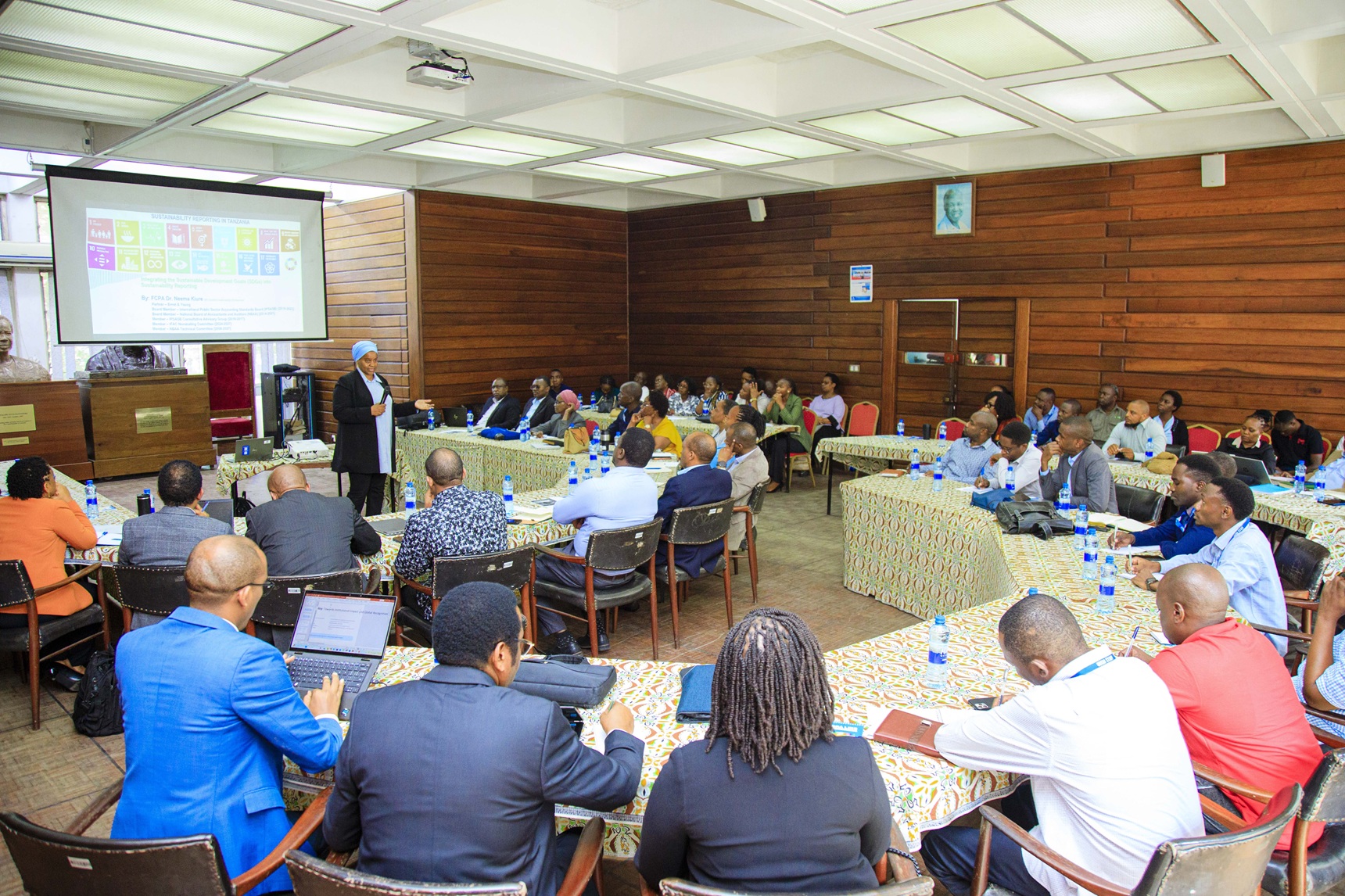
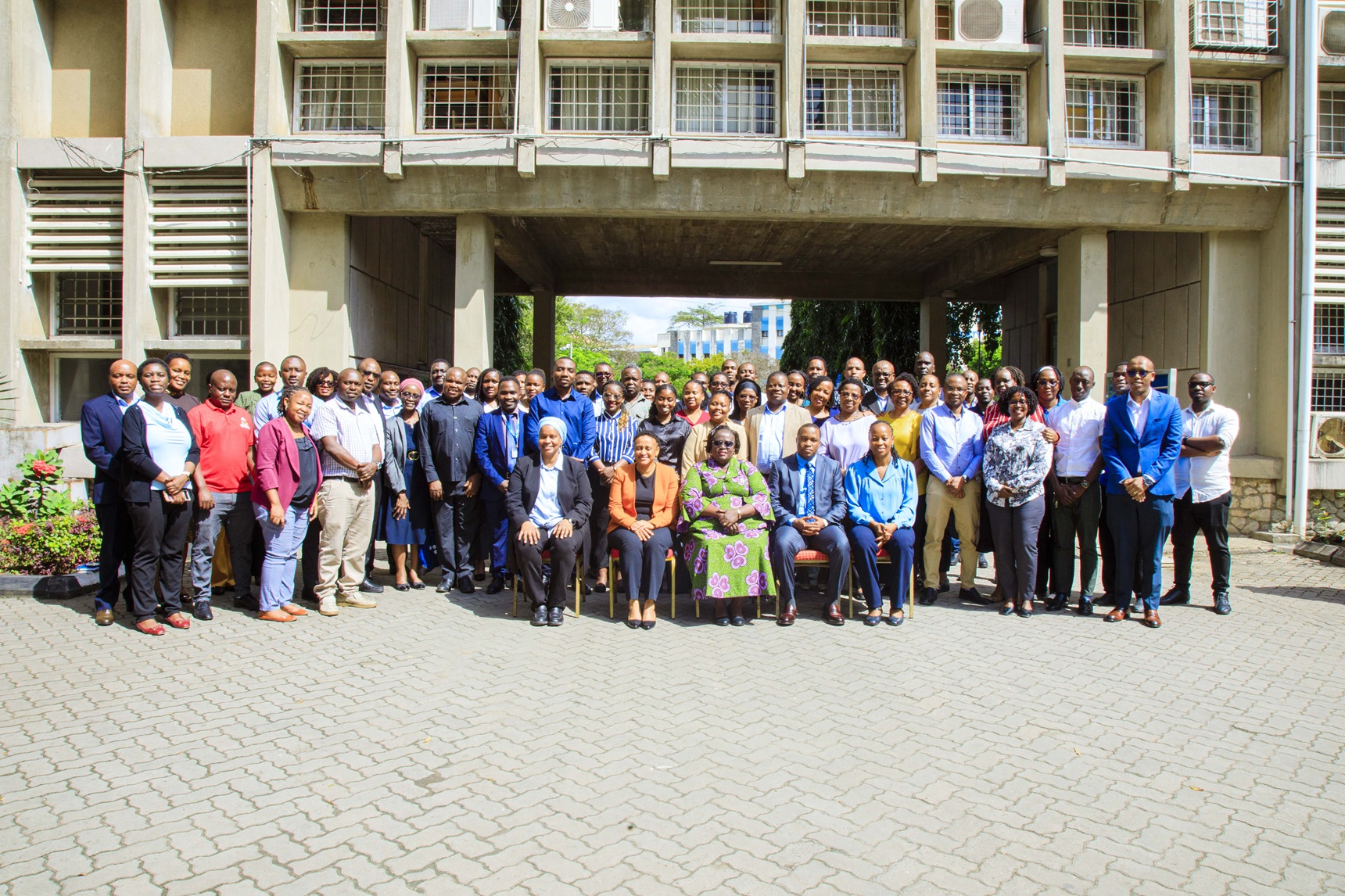
The move comes as the University convened a two-day ESG Awareness, Planning and Data Management Training that brought together senior leaders, including Deputy Vice Chancellors, Principals, Deans, Directors and ESG Unit Champions from across the University's colleges, schools, institutes and administrative units.
The training aimed to strengthen institutional capacity to integrate ESG into planning, improve data management and reporting, and enhance the University's readiness to meet the growing global expectations for sustainability, accountability and responsible governance.
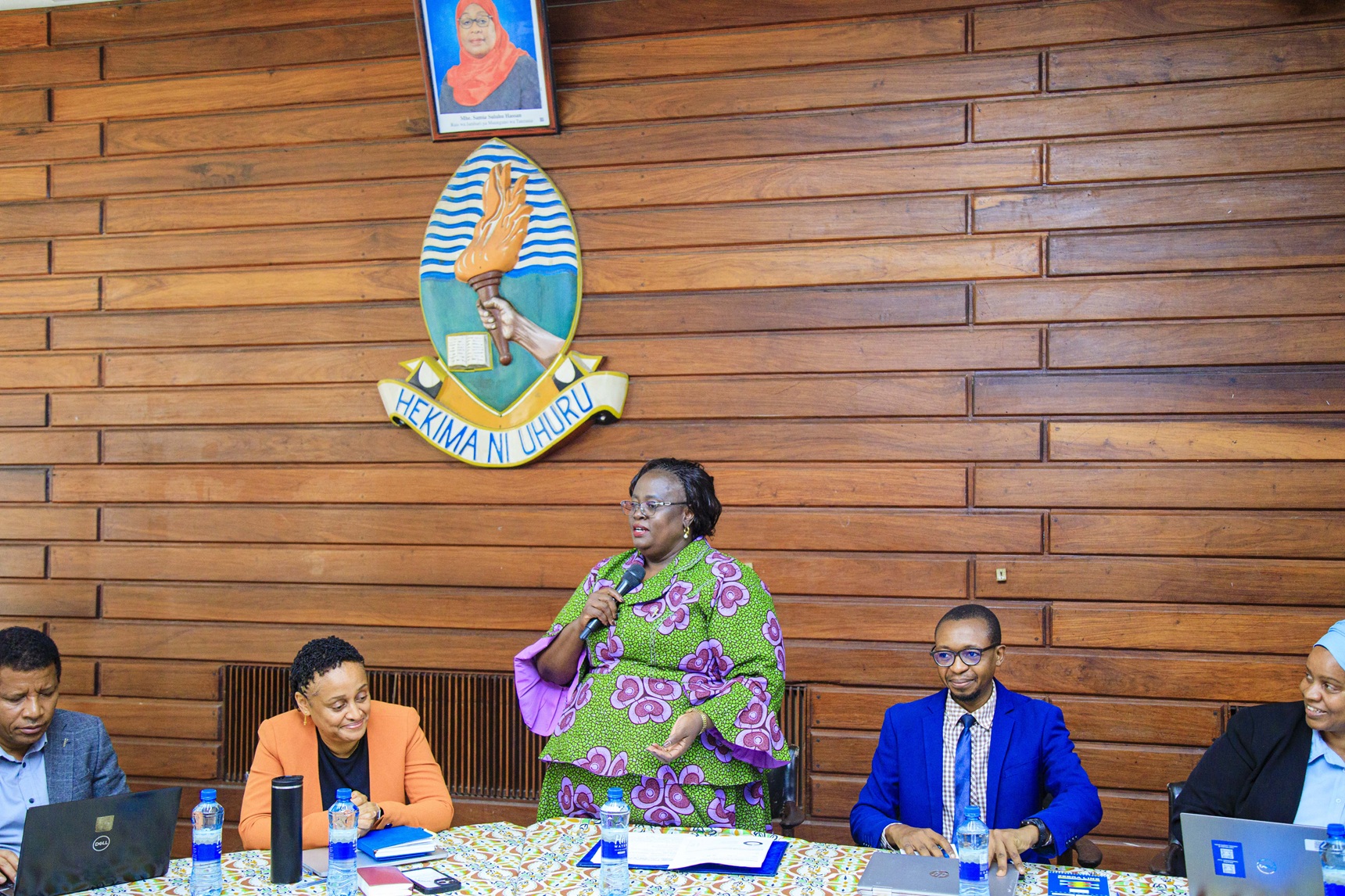
Opening the training on behalf of the Vice Chancellor, Prof. William A. L. Anangisye, Deputy Vice Chancellor - Academic, Prof. Rose Upor, said the initiative marked an important step in advancing UDSM's sustainability agenda and reinforcing its commitment to institutional excellence.
"This training is more than a capacity-building exercise. It reflects the University's commitment to embedding Environmental, Social and Governance principles into the way we plan, govern and deliver our core mandate," she said.
Prof. Upor said the participation of the University's senior leadership alongside ESG Unit Champions demonstrated that successful ESG implementation requires both strategic direction and coordinated action across all levels of the institution.
She thanked ESG expert FCPA Dr. Neema Kiure for continuing to support the University in strengthening its understanding of ESG following her earlier engagements with the University Council and Top Management.
"We appreciate Dr. Kiure's continued guidance in helping us move from understanding ESG concepts to integrating them into institutional practice," Prof. Upor said.
She noted that universities worldwide are increasingly judged not only by the quality of their teaching and research but also by how effectively they address environmental sustainability, social responsibility and good governance.
"ESG is no longer an emerging concept. It has become a defining measure of institutional excellence, credibility and accountability. Governments, development partners, ranking agencies, students and society expect universities to demonstrate measurable impact in these areas," she said.
Integrating ESG into University's operations
According to Prof. Upor, integrating ESG into the University's operations aligns with UDSM's vision of becoming a leading centre of intellectual wealth that promotes sustainable and inclusive development.
She said the University had already laid a strong foundation by sensitising the University Council and Top Management on ESG, adding that the current training marked the next phase of institutionalising sustainability through coordinated planning and harmonised data management.
"A harmonised approach to ESG planning and data collection will enable us to generate reliable information, monitor progress, identify gaps and make informed decisions across the University," she said.
Prof. Upor urged Principals, Deans and Directors to champion ESG implementation within their respective units, stressing that sustainability should be viewed as a strategic management priority rather than merely a reporting obligation.
"As Tanzania's leading public university, we have a responsibility not only to teach and research sustainability but also to practise it through our governance, operations, partnerships and engagement with society," she added.
Earlier, Prof. Neema Mori, UDSM Director of Public Service said the training was designed to establish a common understanding of ESG principles and create a coordinated institutional approach to sustainability planning and reporting.
She observed that higher learning institutions are increasingly expected to demonstrate leadership in environmental stewardship, social responsibility and good governance alongside their traditional mandates of teaching, research and innovation.
"This programme equips participants with the knowledge and practical tools needed to mainstream ESG into planning, implementation and reporting while promoting a shared institutional approach across the University," Prof. Mori said.
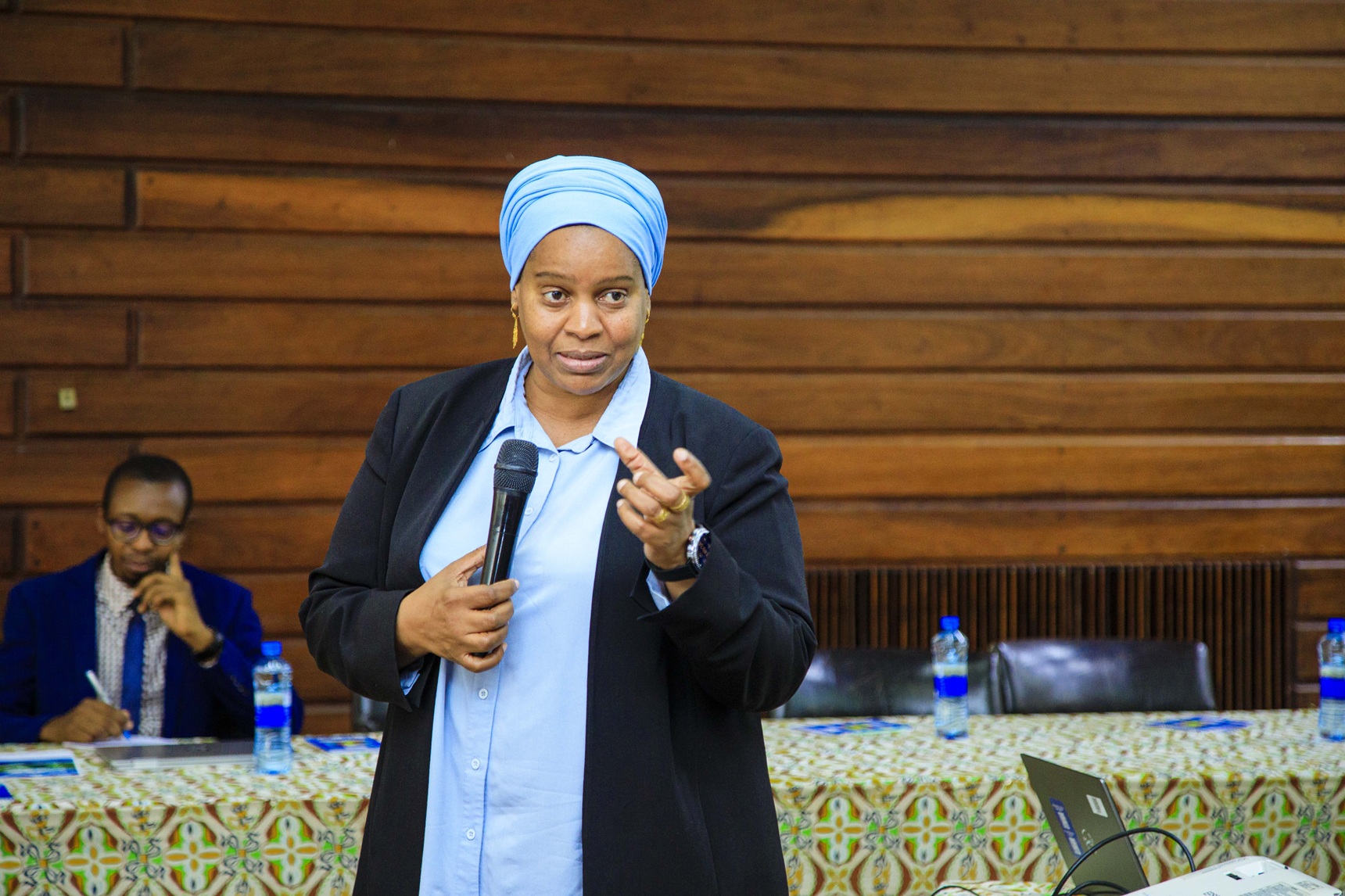
Facilitating the technical sessions, FCPA Dr. Neema Kiure guided participants through global ESG trends, sustainability planning frameworks and harmonised approaches to ESG data collection and reporting.
She underscored the importance of quality data in strengthening institutional accountability and evidence-based decision-making.
"Strong ESG systems are built on leadership commitment, coordinated planning and reliable data. When institutions have quality information, they are better positioned to demonstrate impact, improve performance and strengthen stakeholder confidence," Dr. Kiure said.
She encouraged participants to serve as ESG champions within their respective units by promoting collaboration, accountability and continuous improvement.
The training forms part of UDSM's broader strategy to institutionalise Environmental, Social and Governance principles, strengthen sustainability practices and enhance accountability as the University positions itself among Africa's leading higher education institutions committed to responsible and sustainable development.