

HEET Project Backs UDSM’s Drive to Build a Safer, Gender-Responsive University
By Dickens Dominick, CMU
The University of Dar es Salaam (UDSM) is sharpening its institutional response to gender issues and gender-based violence (GBV) as part of a broader commitment to creating a safe, inclusive, and equitable learning environment, an agenda strongly reaffirmed by the Higher Education for Economic Transformation (HEET) Project.
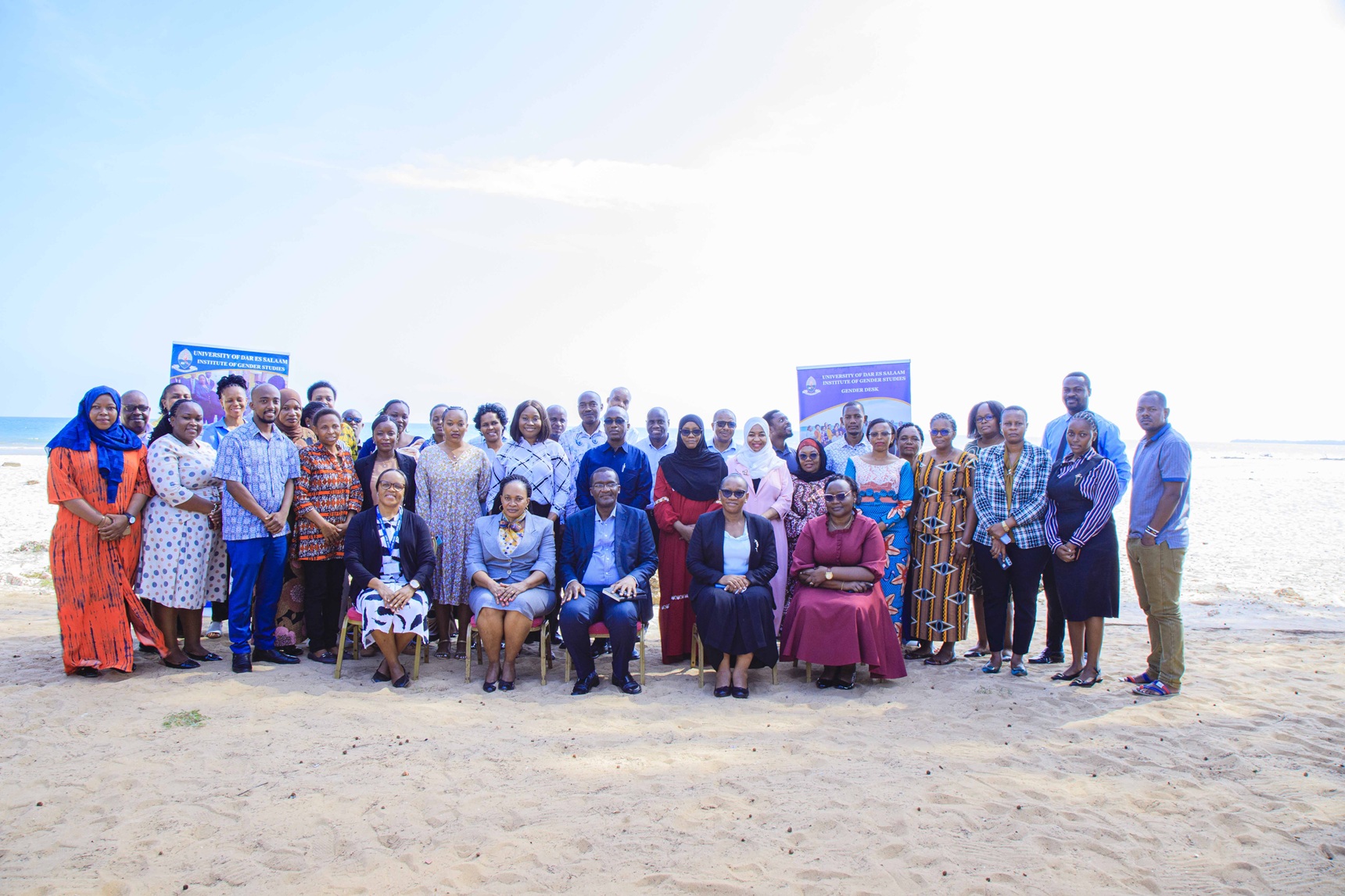
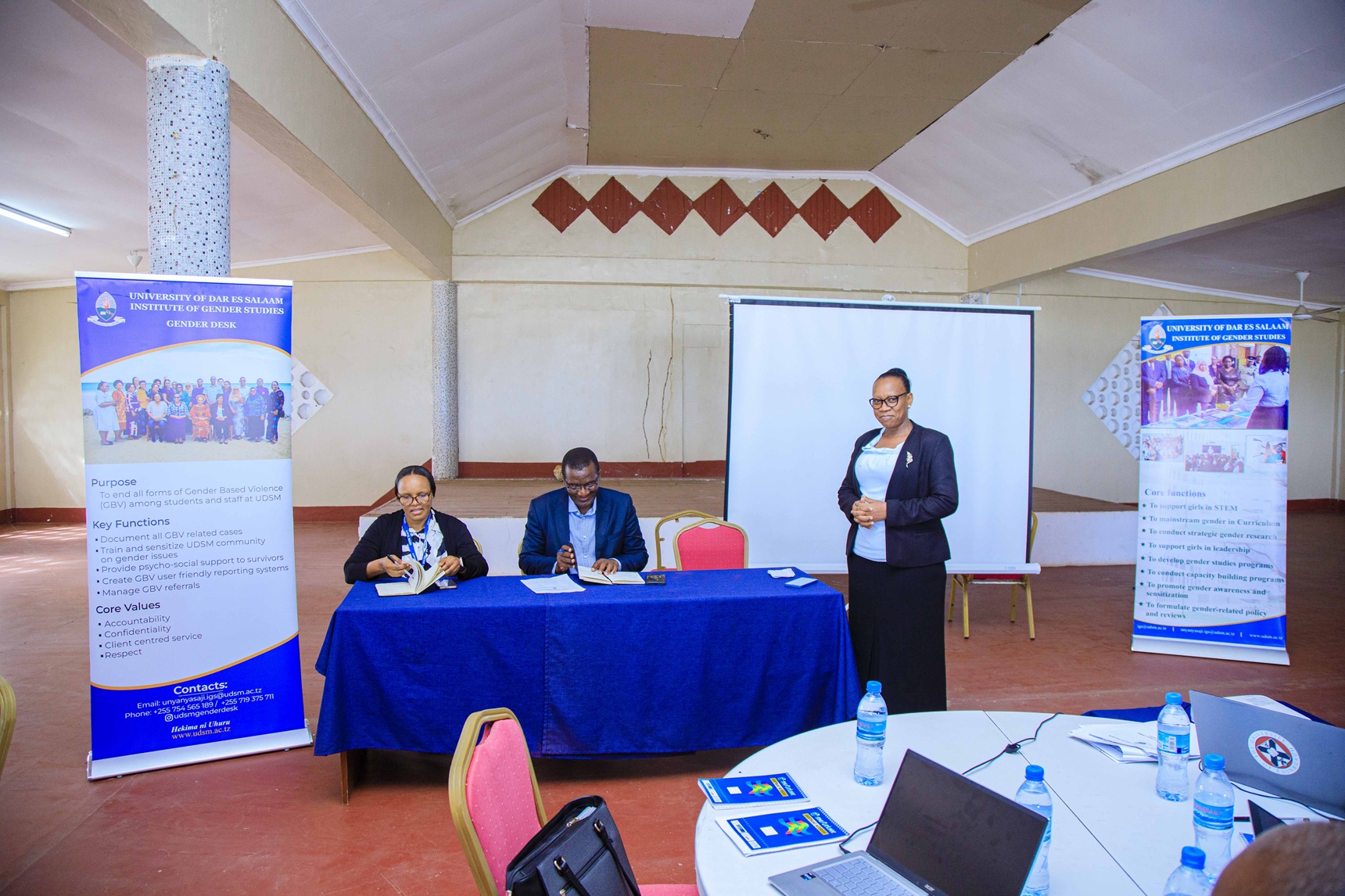
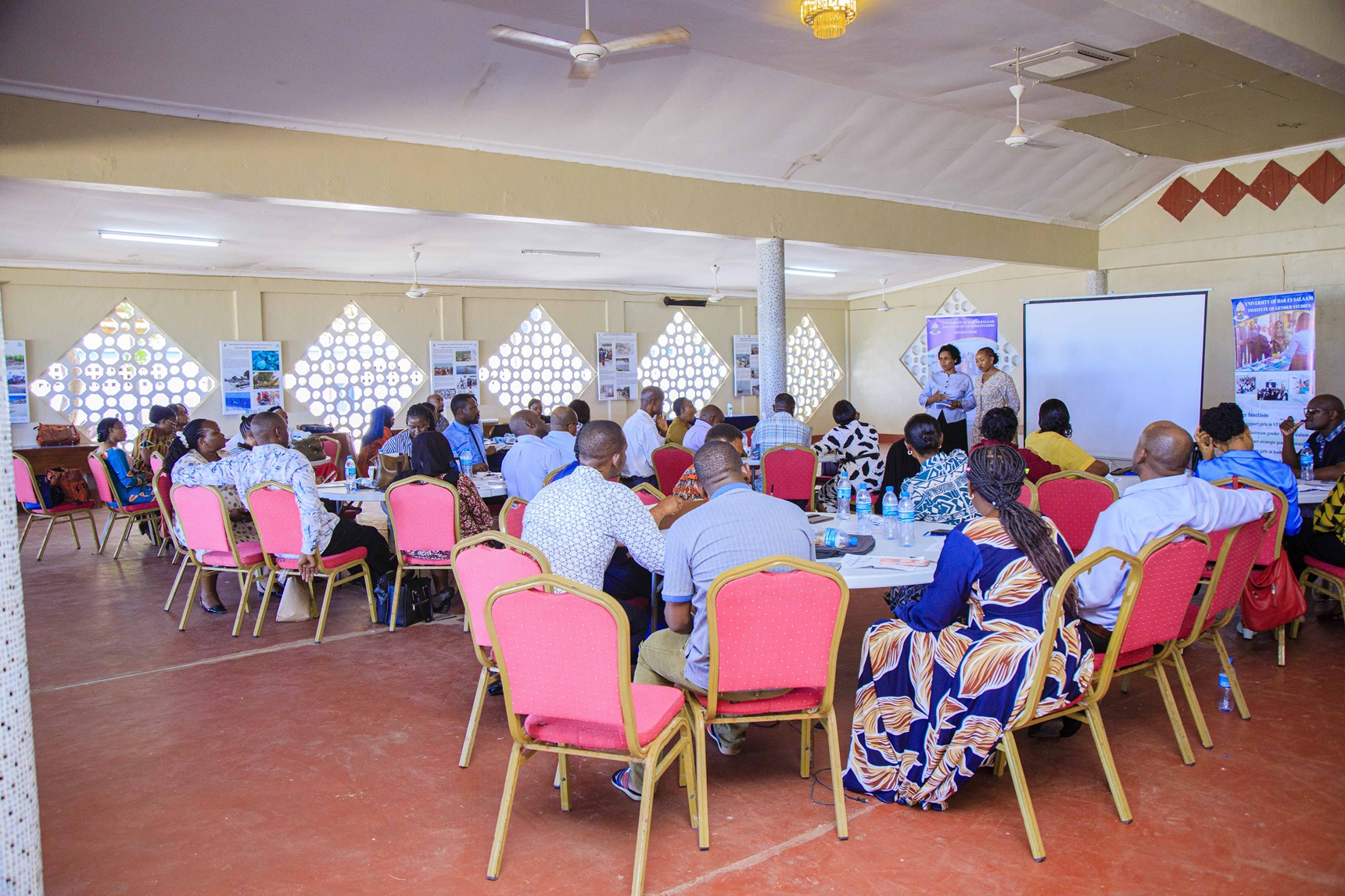
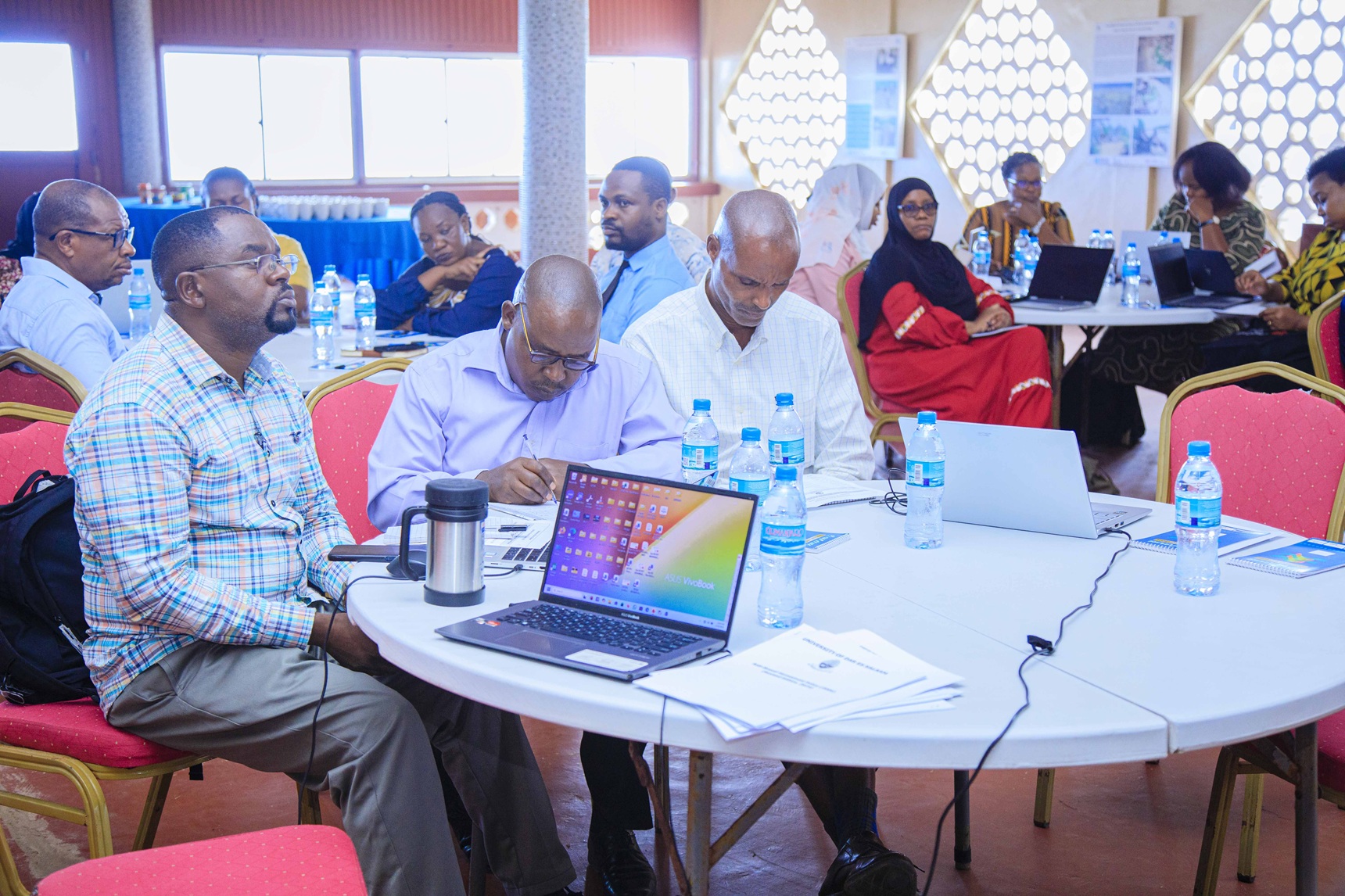
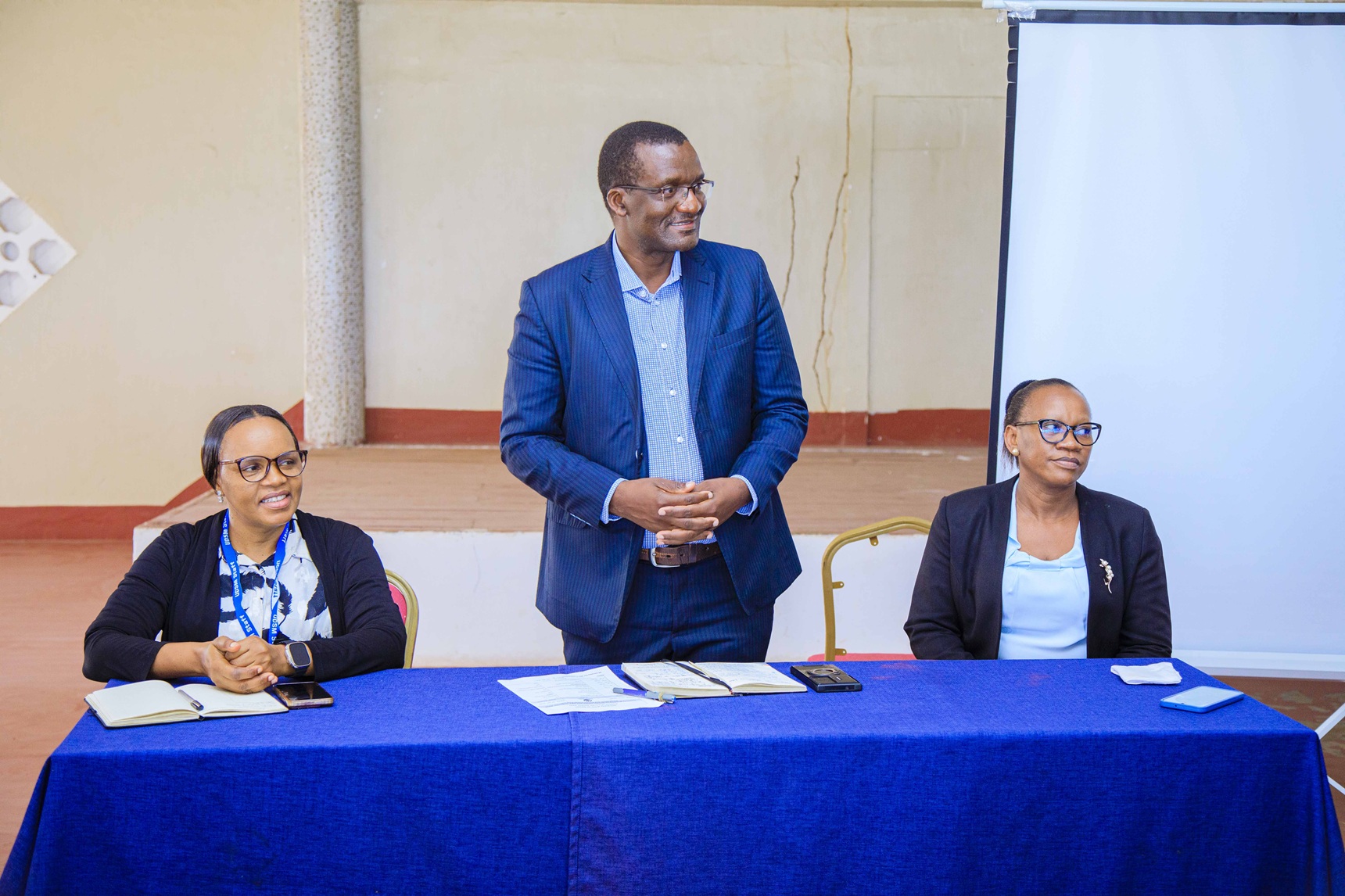
Opening a capacity-building workshop for Gender Desk Committee members and Gender Focal Persons (GFPs) in Dar es Salaam recently, Prof. Liberato Haule, Deputy Coordinator of the HEET Project at UDSM, underscored that GBV and sexual harassment have no place within the University or across all HEET-supported interventions.
Prof. Haule emphasized that gender equality is a core pillar of the HEET Project, translating into concrete institutional actions rather than policy statements alone.
He outlined targeted interventions including the strengthening of GBV prevention and response mechanisms, review and enforcement of gender-related policies, enhancement of Gender Desk operations, improved grievance redress systems, and gender-sensitive recruitment processes.
He further noted that the Project prioritizes accessibility for students with special needs and sustained capacity building through seminars, workshops, and awareness programmes – efforts that have already reached more than 12,000 students nationally through STEM-focused gender initiatives.
“These efforts are about safeguarding dignity, opportunity, and academic excellence,” Prof. Haule said, calling on Gender Focal Persons to serve as trusted advisors to University management, champions of inclusive practices, and frontline defenders of a GBV-free campus culture.
Earlier, Dr. Sarah Kisanga, Director of the Institute of Gender Studies, framed the training as a strategic investment in people who anchor gender mainstreaming across the University.
She highlighted the critical role of GFPs and Gender Desk members in sensitising the University community, advising leadership on gender-responsive decision-making, handling GBV cases with professionalism and integrity, and ensuring timely referrals for survivors.
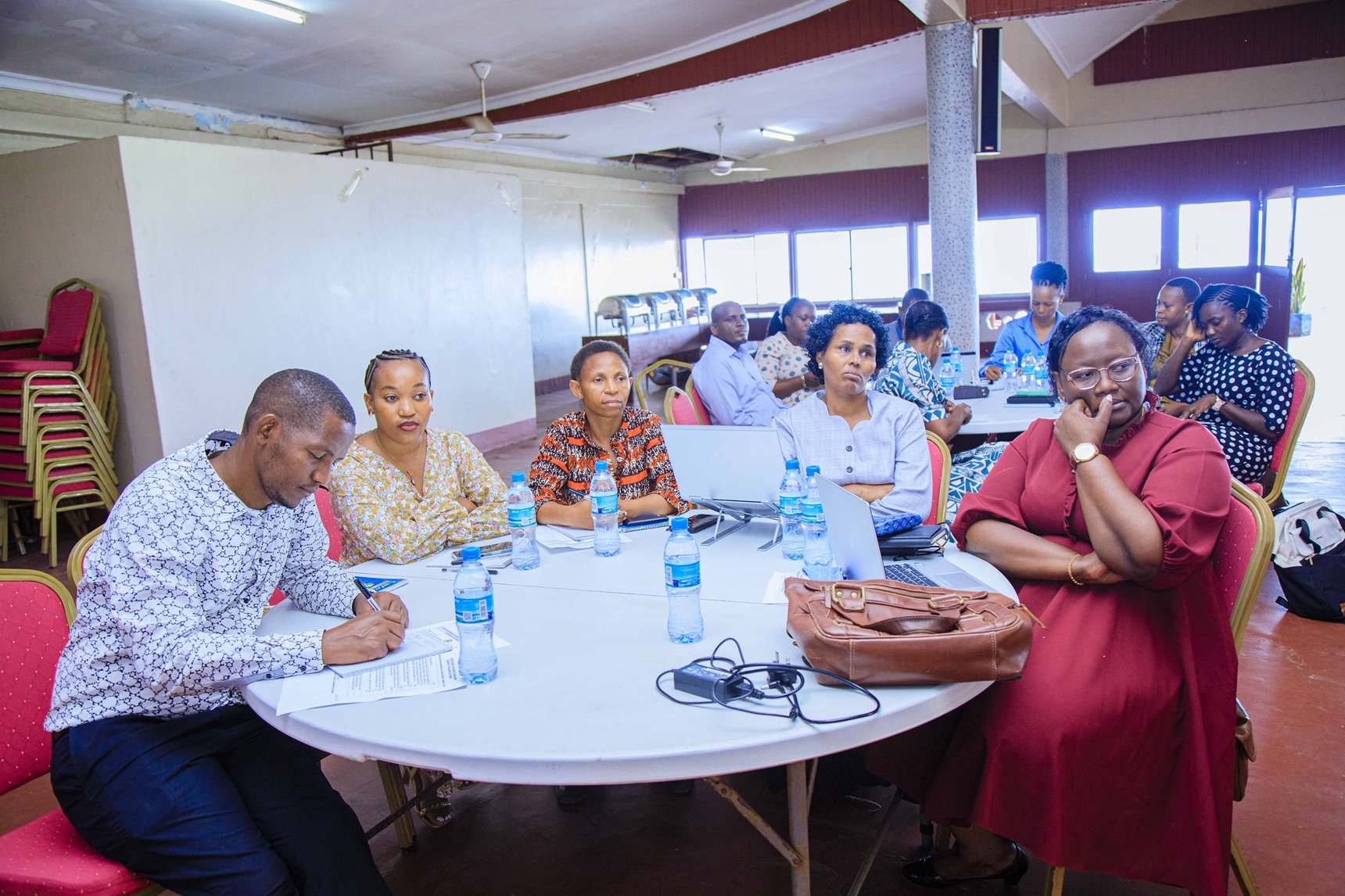
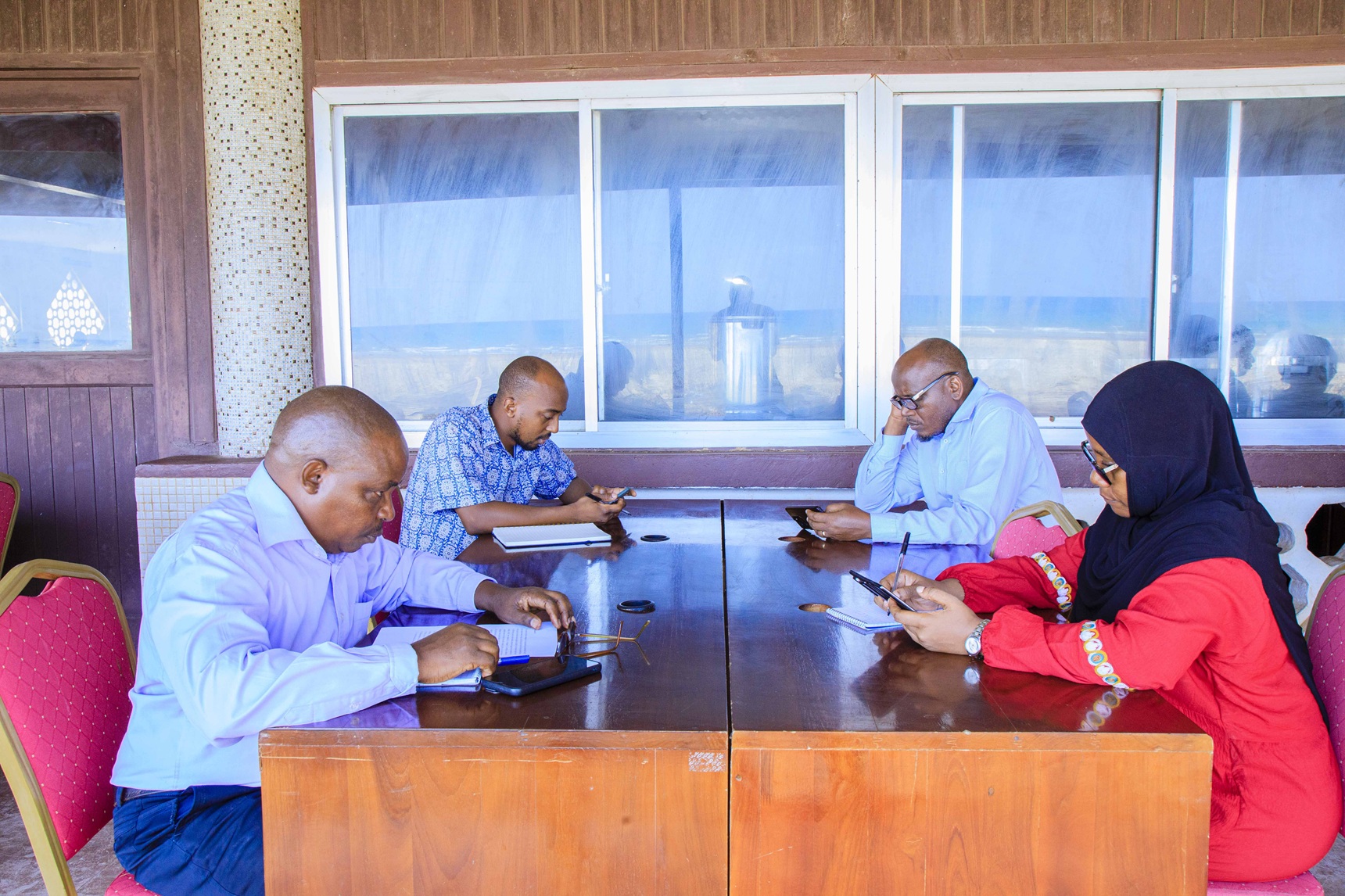
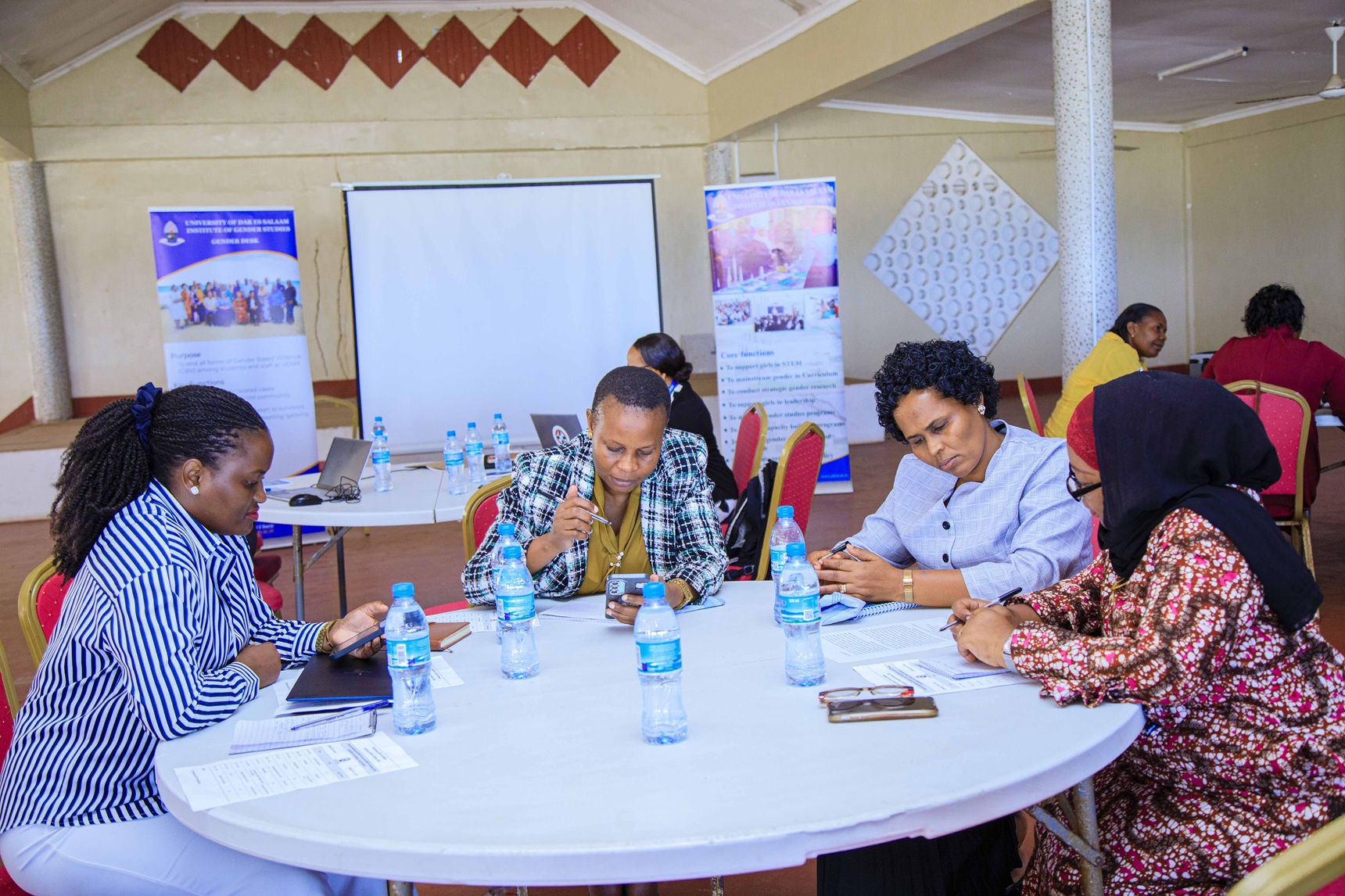
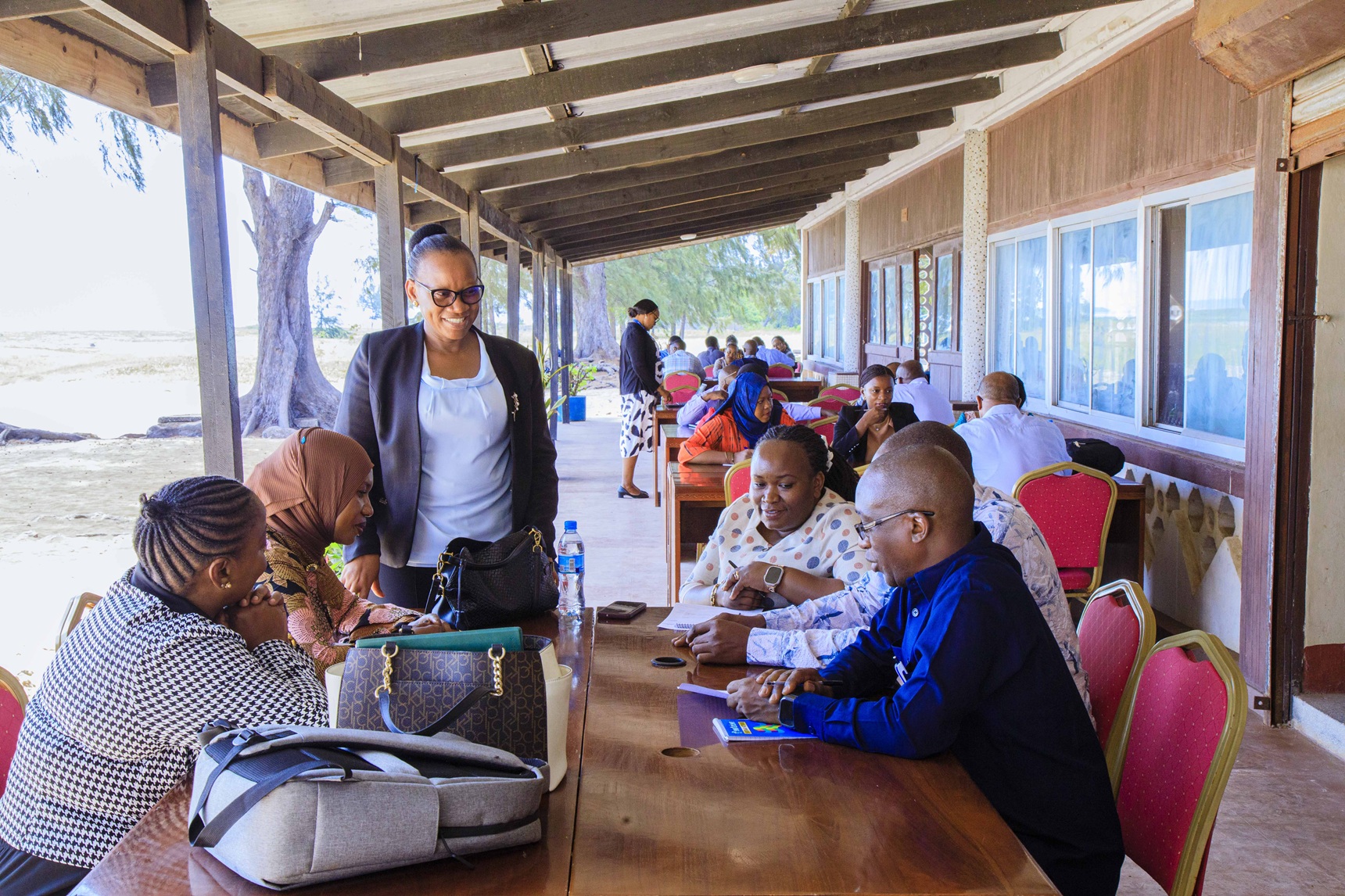
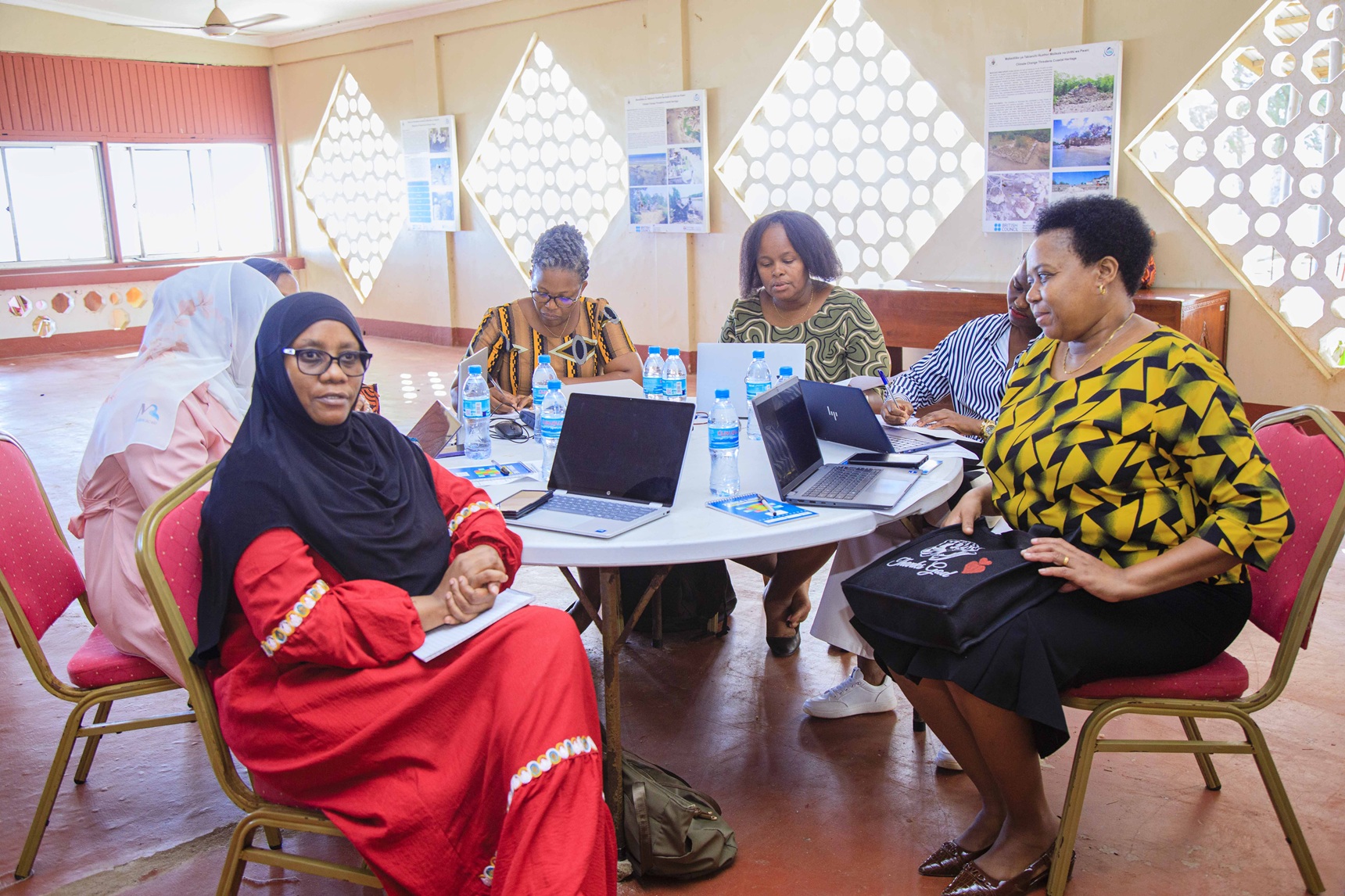
The training placed strong emphasis on practical competencies. Participants engaged in guided case discussions on identifying and responding to various forms of GBV – physical, emotional, economic, sexual, online, and technology-facilitated violence – while mapping appropriate institutional and external support pathways.
Zero-tolerance
UDSM Director of Human Resource Management and Administration, Ms. Hilda Kinanga reinforced the zero-tolerance stance by outlining disciplinary measures for GBV and sexual harassment, which range from salary deductions to dismissal.
Policy coherence and accountability formed another central focus. Dr. Elizabeth Gwajima, Coordinator of the UDSM Gender Desk, walked participants through the University’s gender and GBV policy architecture including the Gender Policy, Anti-Sexual Harassment Policy, Students’ By-laws, Counselling Policy, Disability and Special Education Needs Policy, and GBV/SEAH Management Guidelines.
She underscored their alignment with national, regional, and international frameworks such as CEDAW, the Maputo Protocol, the Constitution of Tanzania, the East African Gender Policy, and Sustainable Development Goal 5.
Beyond compliance, discussions highlighted the evolving nature of GBV risks, particularly those linked to digital platforms, and the importance of student engagement through initiatives such as Guardian Gender Clubs. Participants collectively stressed the need for clarity of roles, confidentiality, ethical handling of cases, and strong inter-institutional collaboration.
By strengthening the capacity of its Gender Desk and Focal Persons, UDSM is reinforcing its institutional readiness to prevent and respond to GBV, advance gender equality, and uphold a campus environment where safety, respect, and inclusion are integral to academic life.