

UDSM and Kilimanjaro Leather Industries Forge Strategic Partnership to Transform Tanzania's Leather Sector
By Renancy Remmy, CMU
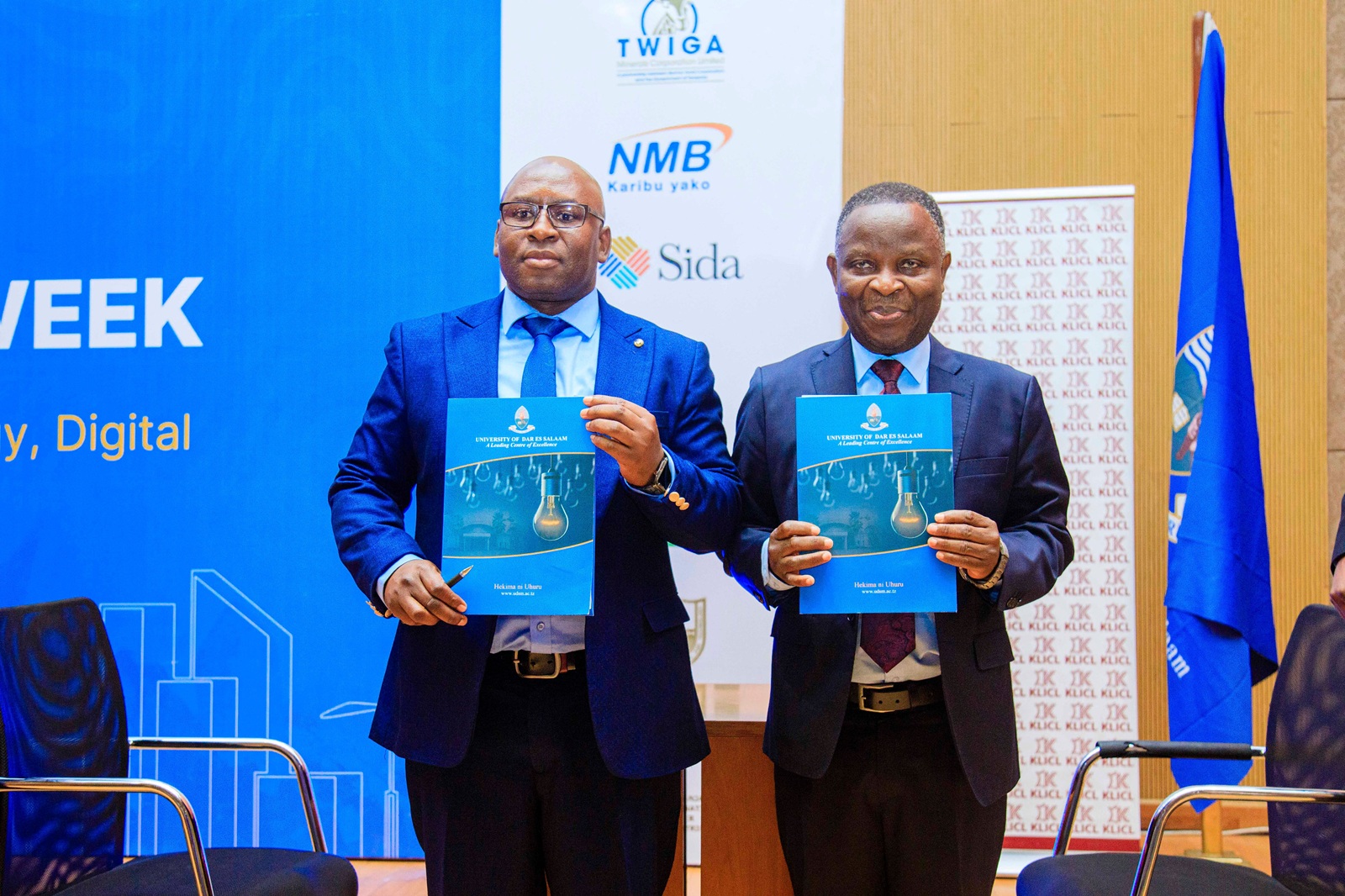
The University of Dar es Salaam (UDSM) and Kilimanjaro Leather Industries Company Limited (KLICL) have entered into a landmark partnership aimed at strengthening Tanzania's leather industry through collaborative research, skills development, technology transfer, and industry-focused training.
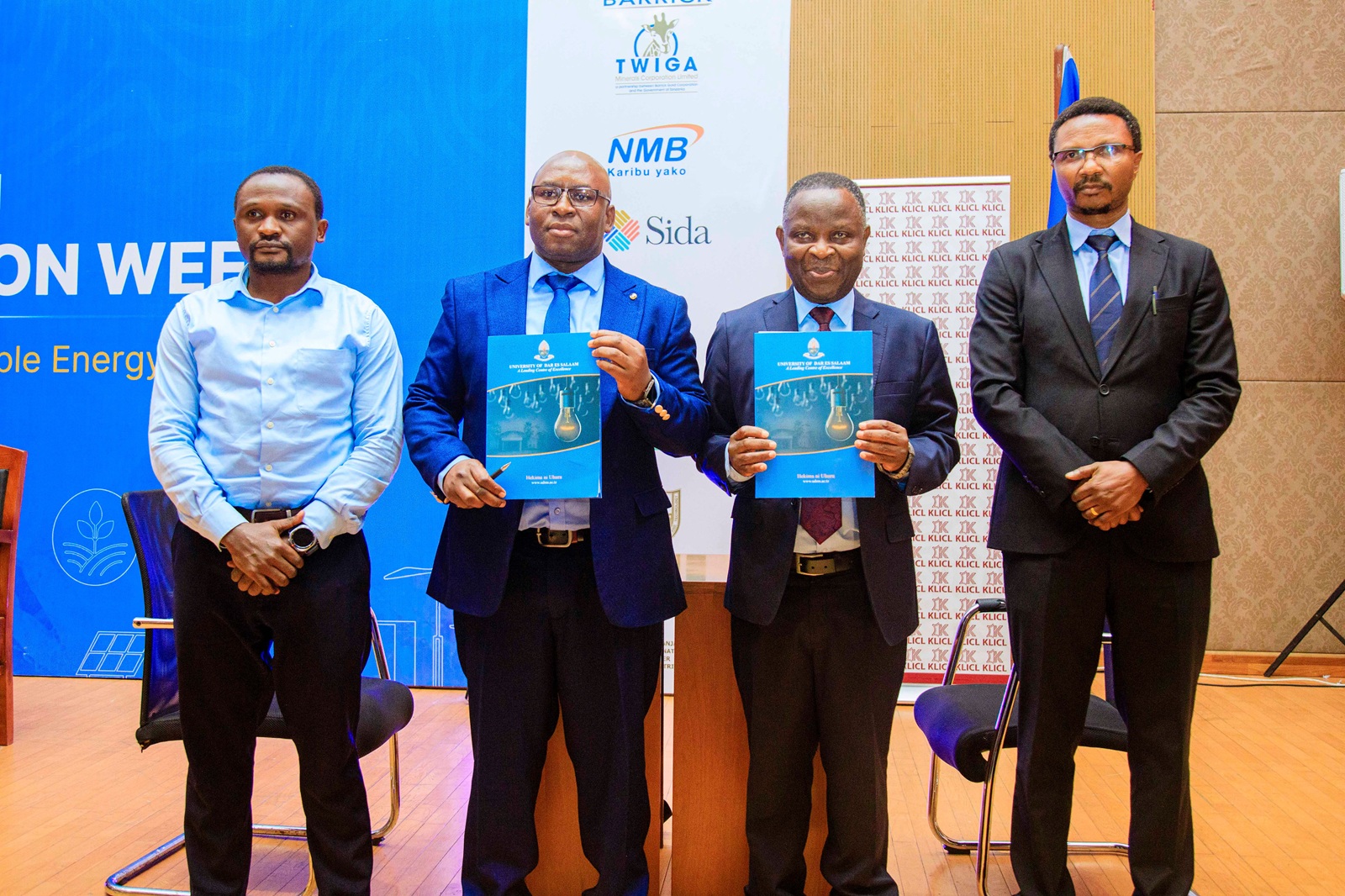
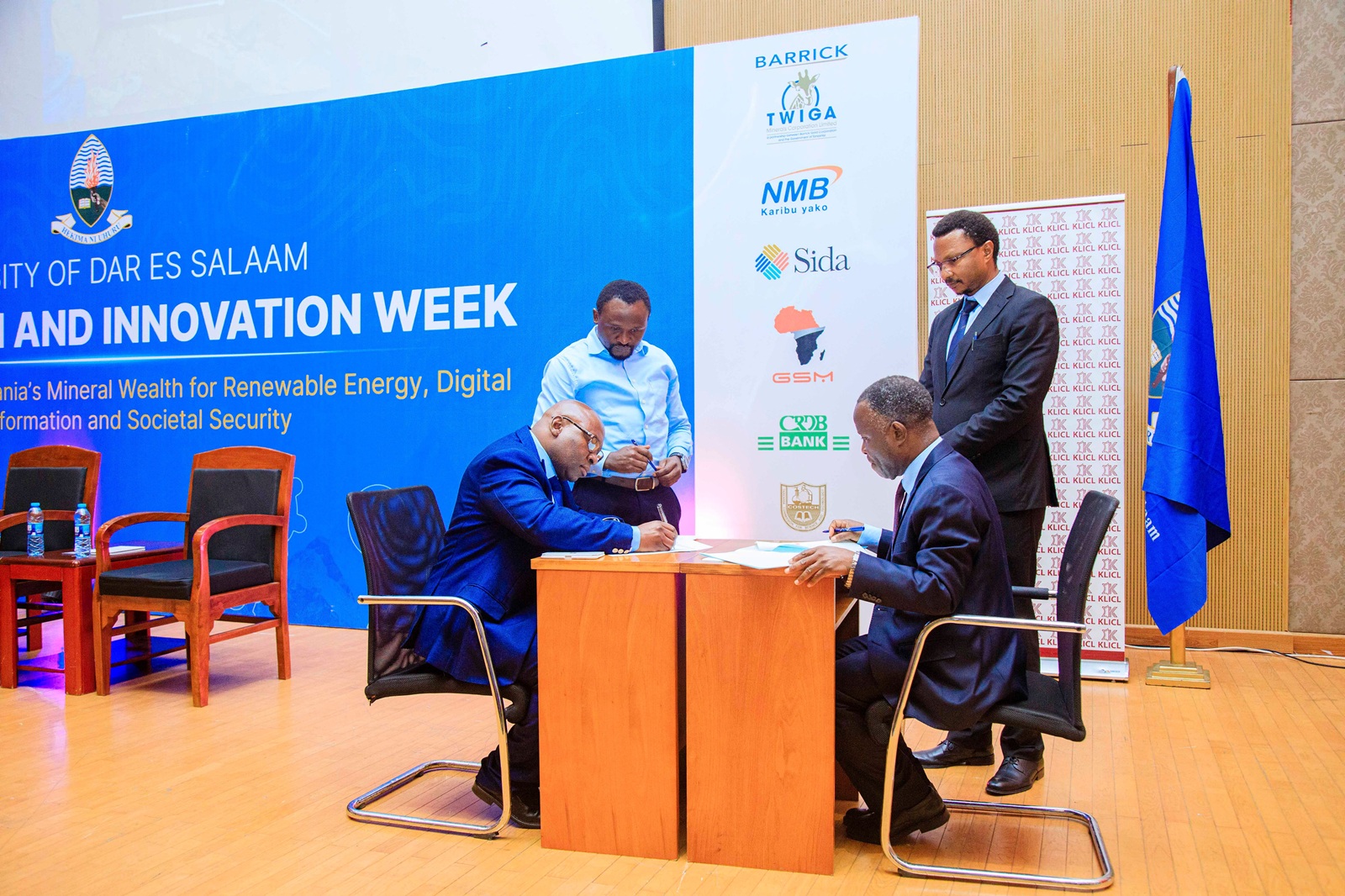
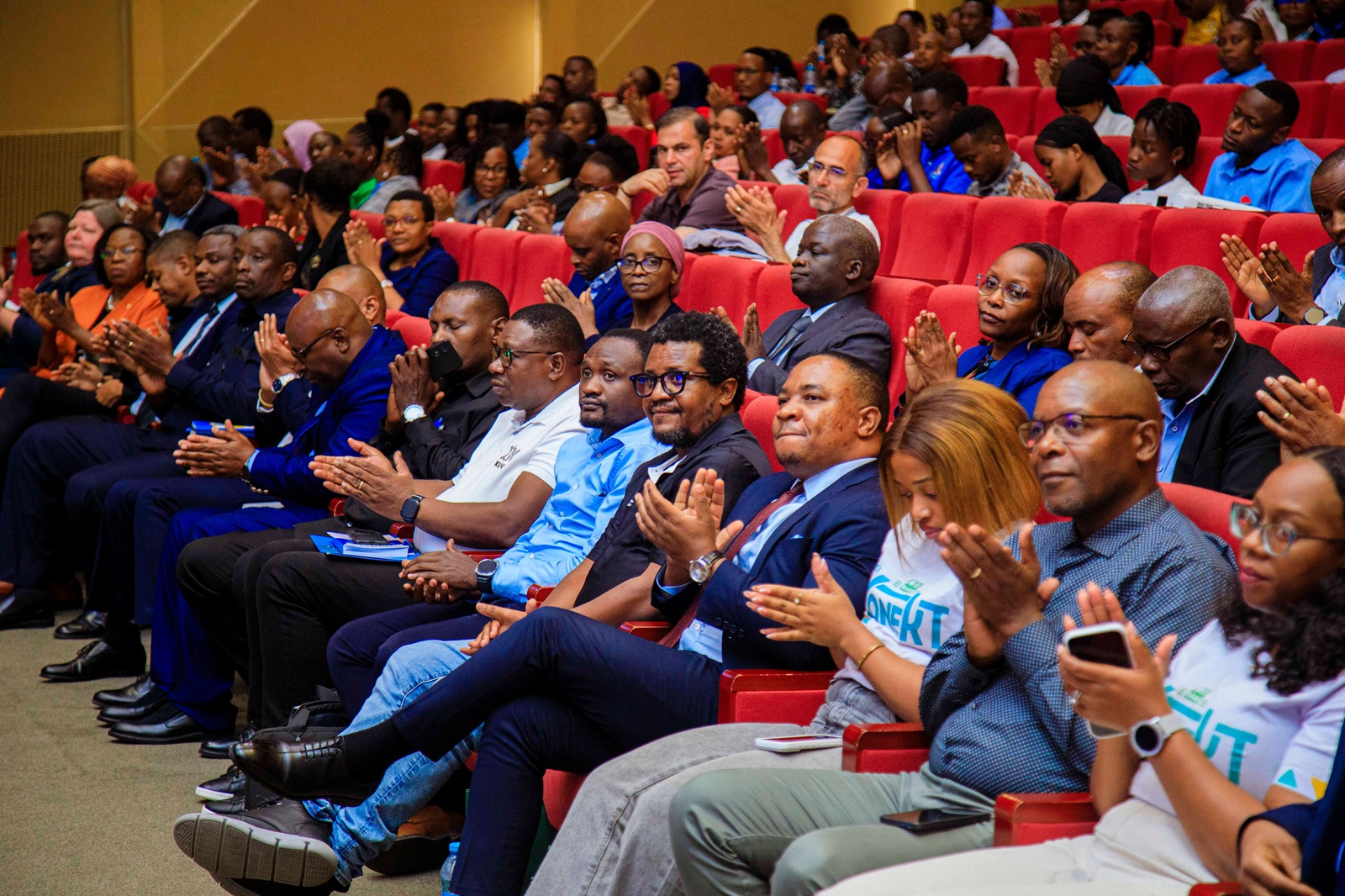
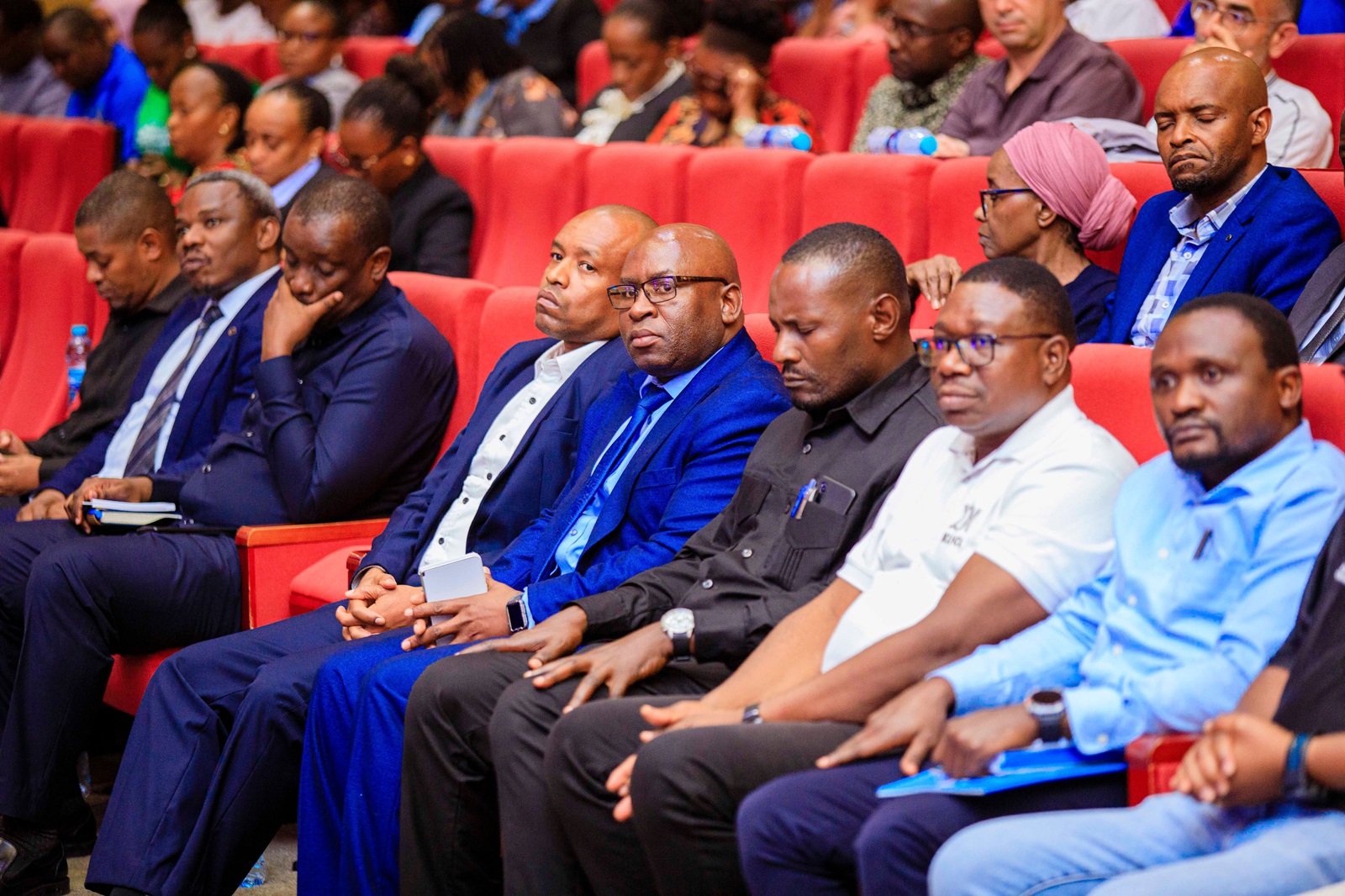
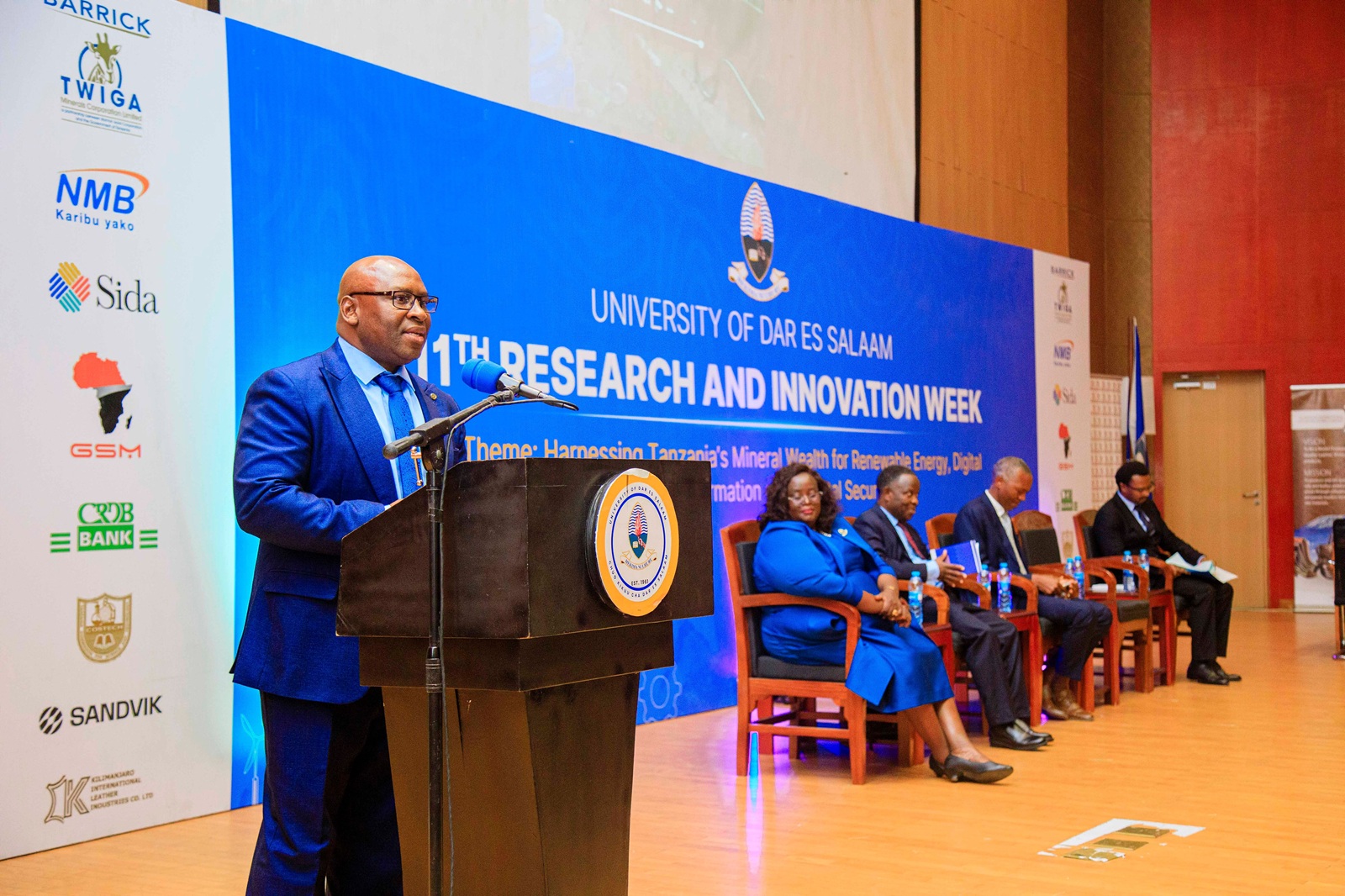
The partnership was formalised through the signing of a Memorandum of Understanding (MoU) during the closing ceremony of UDSM's 11th Research and Innovation Week 2026, signalling a new chapter in efforts to bridge the gap between academia and industry and support the country's industrial transformation agenda.
The agreement establishes a framework for cooperation in industry-responsive curriculum development, student internships and industrial attachments, staff exchange programmes, joint research initiatives, technology transfer, and capacity building in leather technology and related disciplines.
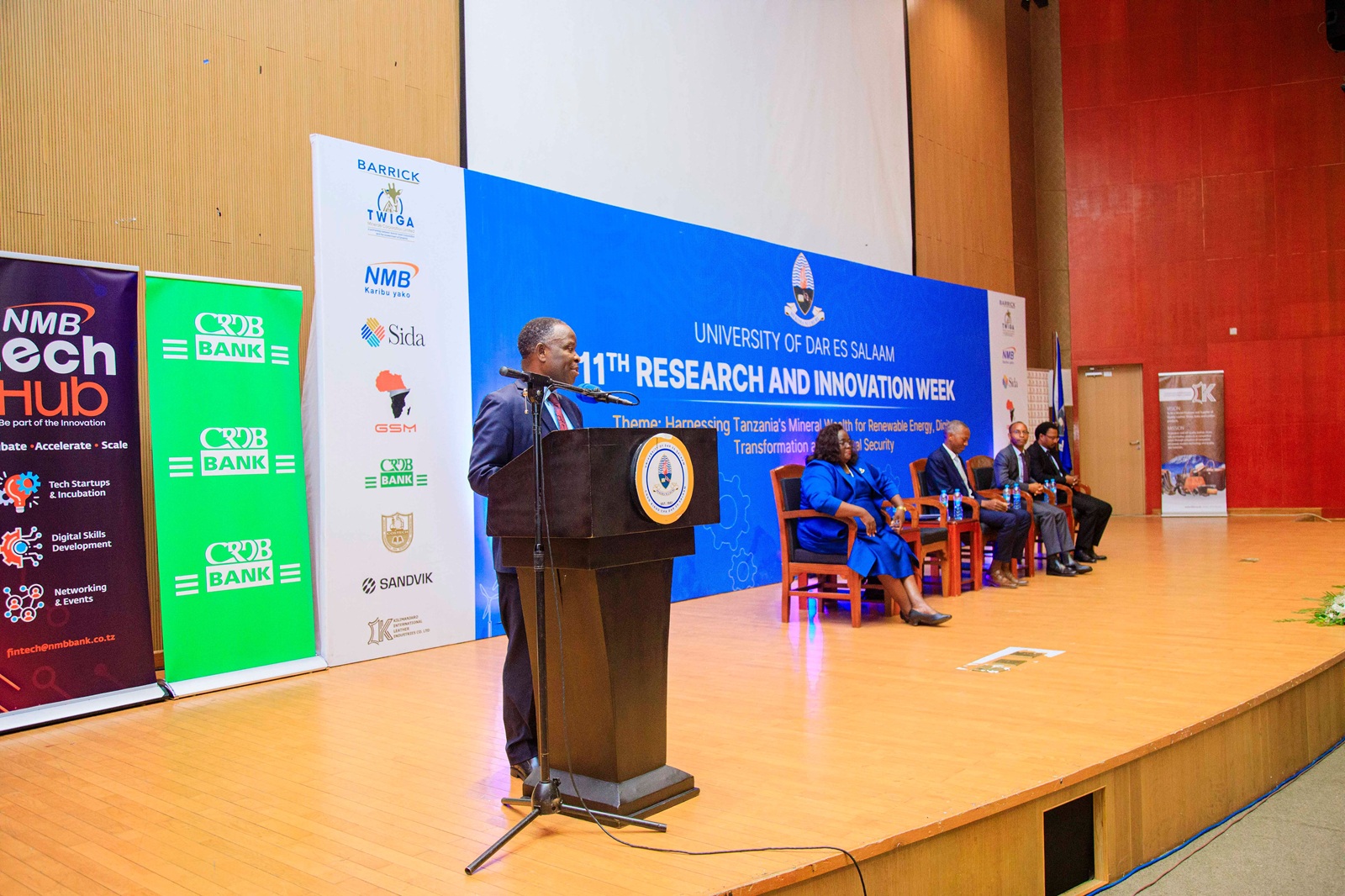
Speaking during the signing ceremony, UDSM Deputy Vice Chancellor for Research, Prof. Nelson Boniface, described the partnership as a demonstration of the University's commitment to ensuring that research and higher education directly contribute to national development.
"This partnership demonstrates UDSM's determination to work closely with industry in developing practical solutions to real-world challenges. Through this collaboration, we will create opportunities for our students and researchers to engage directly with industry while supporting the growth of Tanzania's leather sector through research, innovation, and skills development”, said Prof. Boniface.
He noted that the collaboration aligns with UDSM's broader vision of producing graduates equipped with practical competencies and industry-relevant skills while contributing to technological advancement and economic transformation.
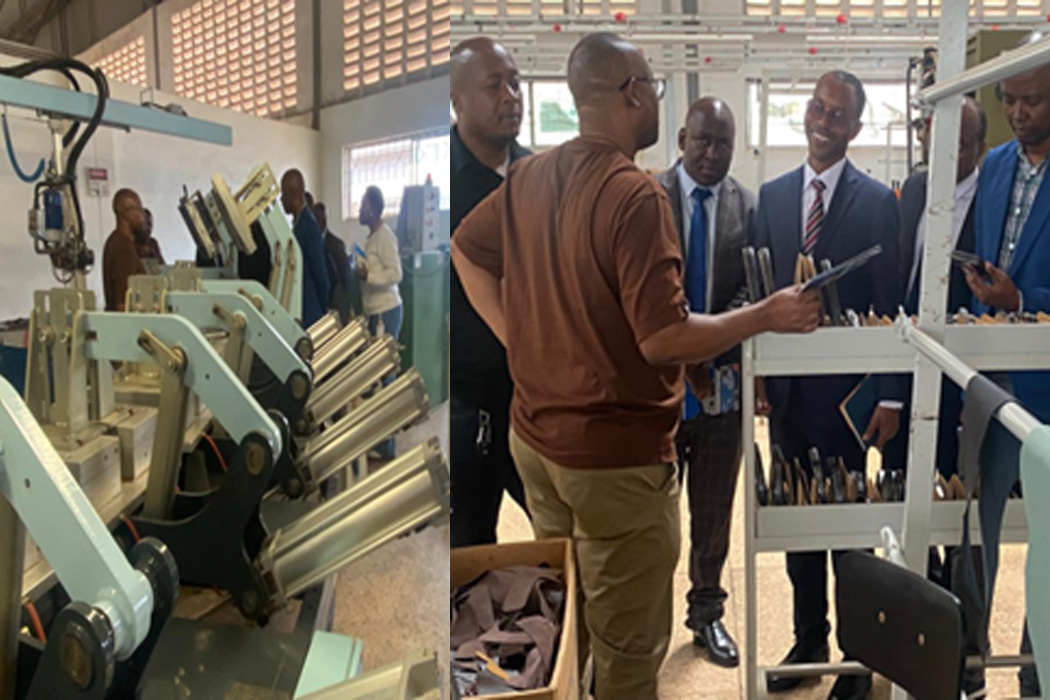
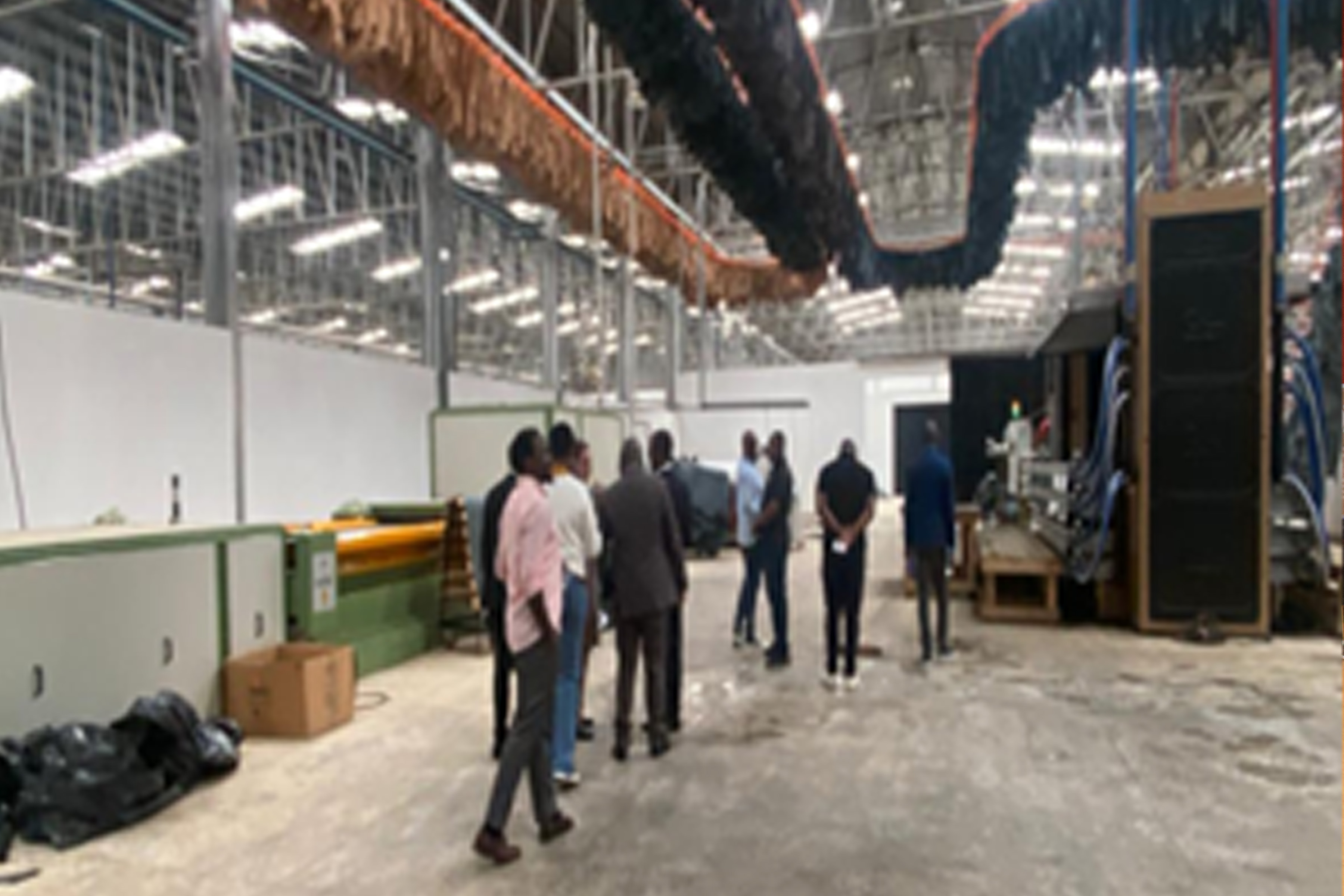
The signing of the MoU is the culmination of engagements that began on 22 May 2026, when a UDSM delegation led by Prof. Boniface visited Kilimanjaro Leather Industries' manufacturing facilities in Moshi, Kilimanjaro Region, as part of the University's industrial engagement programme.
During the visit, the delegation toured various sections of the factory and observed modern leather processing operations, including shoe assembly and stitching lines, automated lasting machines, leather tanning and drying facilities, cutting and pattern-making units, and advanced electromechanical systems supporting industrial-scale production.
The visit also provided an opportunity for both institutions to discuss challenges facing Tanzania's leather industry, particularly the need for a highly skilled workforce and increased technological innovation.
Among the key areas identified for collaboration was the development of specialised training programmes in Leather Technology and related disciplines to address growing demand for professionals capable of operating and maintaining modern manufacturing systems.
The discussions further highlighted opportunities for collaborative research in leather processing, materials science, industrial engineering, environmental sustainability, and manufacturing technologies, as well as the need to align academic programmes with the evolving needs of industry.
Impressed by the company's technological capabilities and commitment to industrial growth, UDSM subsequently invited Kilimanjaro Leather Industries to participate in Research and Innovation Week 2026—one of the University's flagship platforms for showcasing research achievements and fostering partnerships among academia, industry, government institutions, and development stakeholders.
The week-long engagement enabled both institutions to refine areas of cooperation and establish a framework for long-term collaboration.
Building Skills for Industrial Transformation
Speaking on behalf of Kilimanjaro Leather Industries, Managing Director CPA Stanley Mhapa described the partnership as an important milestone in strengthening Tanzania's leather industry through knowledge exchange and human capital development.
"We believe this collaboration will help bridge the gap between industry and academia by creating a pipeline of skilled professionals who understand the realities of modern manufacturing. We are pleased to work with UDSM in developing training programmes, supporting student learning, and promoting research that responds to the needs of the leather industry”, said CPA Mhapa.
He added that the company is committed to providing industrial attachment and internship opportunities for students and working closely with the University to develop practical, industry-oriented training programmes that respond to current and future workforce demands.
Under the agreement, the two institutions will jointly explore the establishment of specialised training pathways in Leather Technology, undertake resource and machinery assessments to support curriculum development, and facilitate knowledge-sharing initiatives between academic experts and industry practitioners.
The collaboration is also expected to promote applied research and innovation capable of enhancing productivity, sustainability, and competitiveness across Tanzania's leather value chain while creating new opportunities for the commercialisation of research outputs.
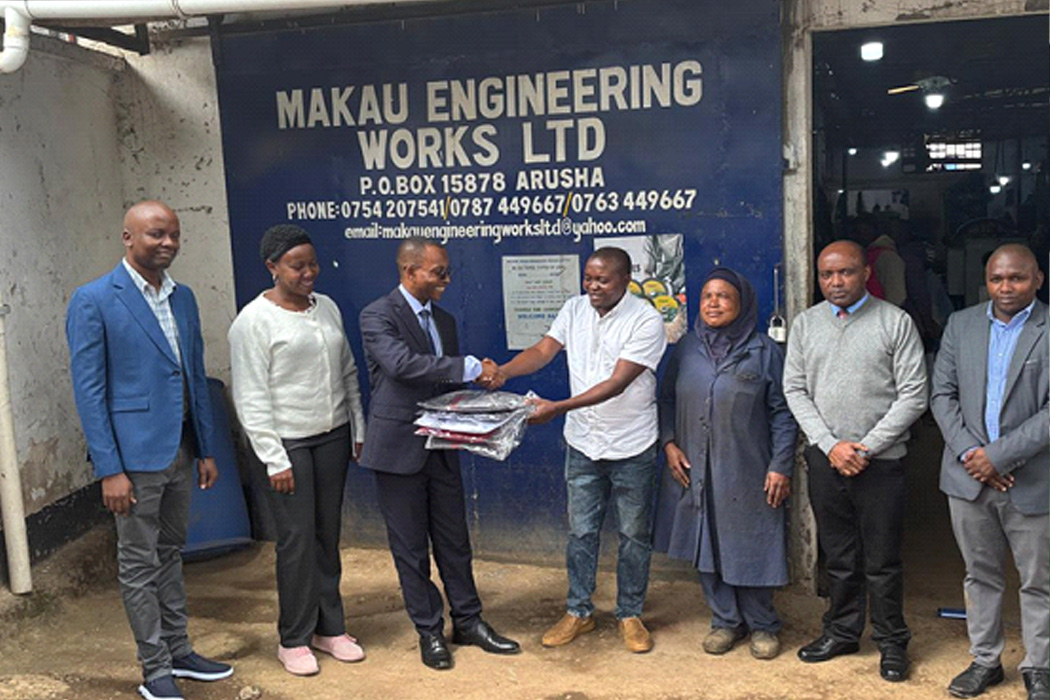
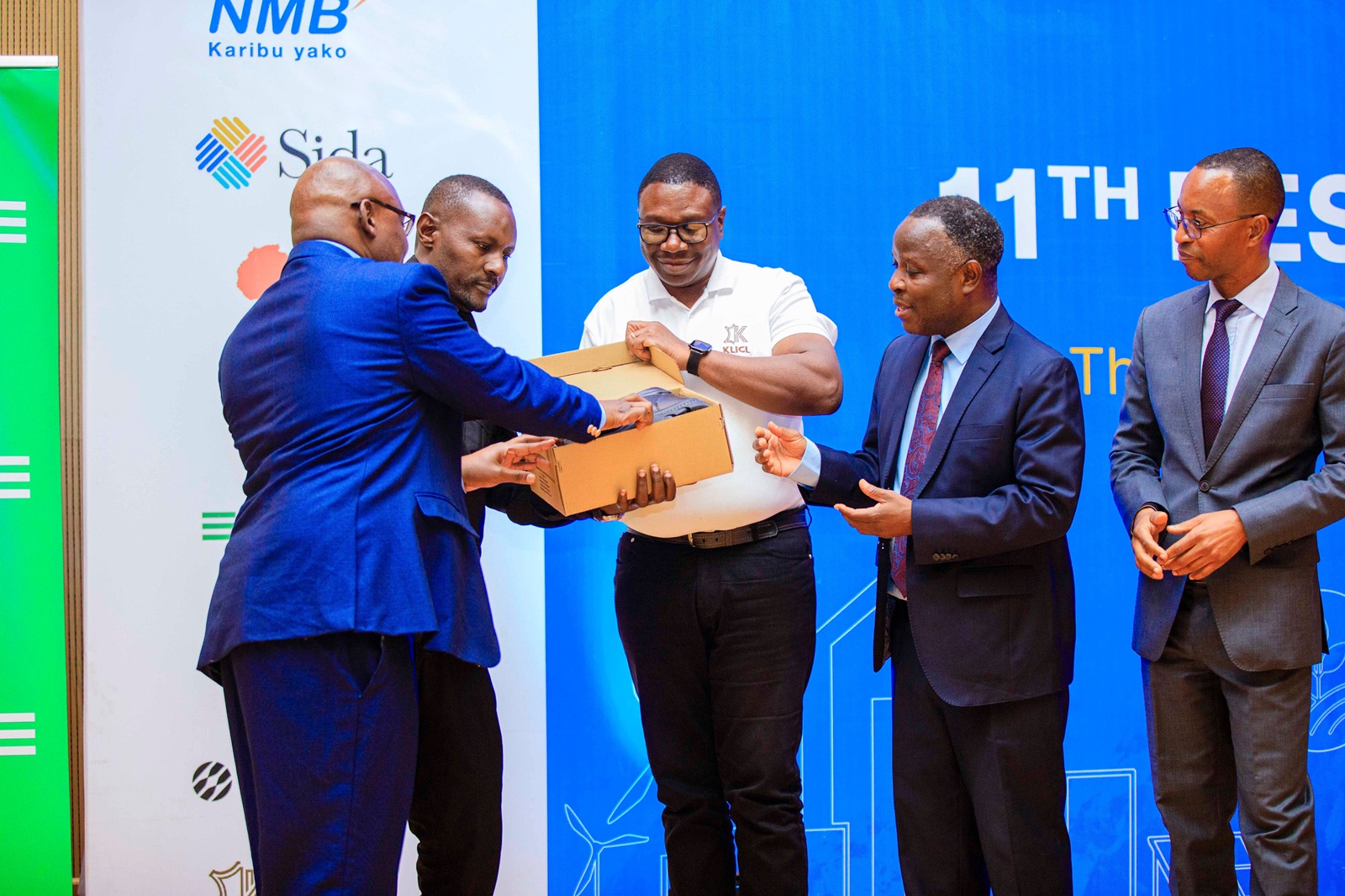
The signing ceremony was also marked by a symbolic gesture of support from Kilimanjaro Leather Industries, which donated ten pairs of safety boots to the University of Dar es Salaam.
The boots were officially presented to UDSM Vice Chancellor, Prof. William A. L. Anangisye, as a contribution towards enhancing practical training and promoting safety awareness among students pursuing engineering, technology, and other industrial-related programmes.
For UDSM, the partnership represents another significant step in expanding strategic collaborations with industry and reinforcing its role as a leading institution in generating knowledge, innovation, and skilled human resources for national development.
The agreement stands out as one of the major outcomes of Research and Innovation Week 2026 and underscores the University's growing commitment to building impactful partnerships that connect research, innovation, and education with the needs of industry and society.