

AI Is No Longer Optional: CPA Moremi Rallies UDSM Workforce Behind Digital Transformation Agenda
By Zamda George, CMU
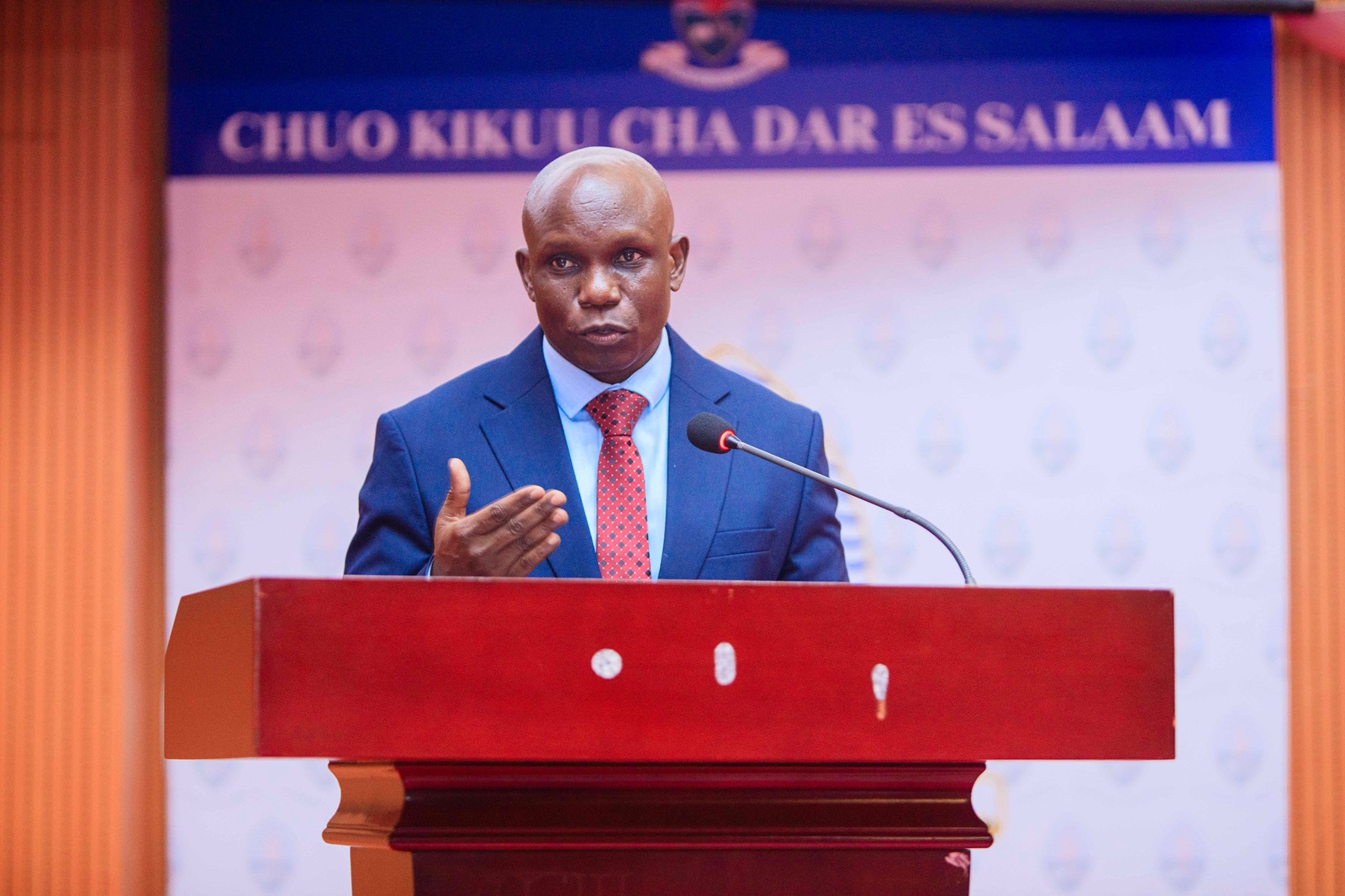
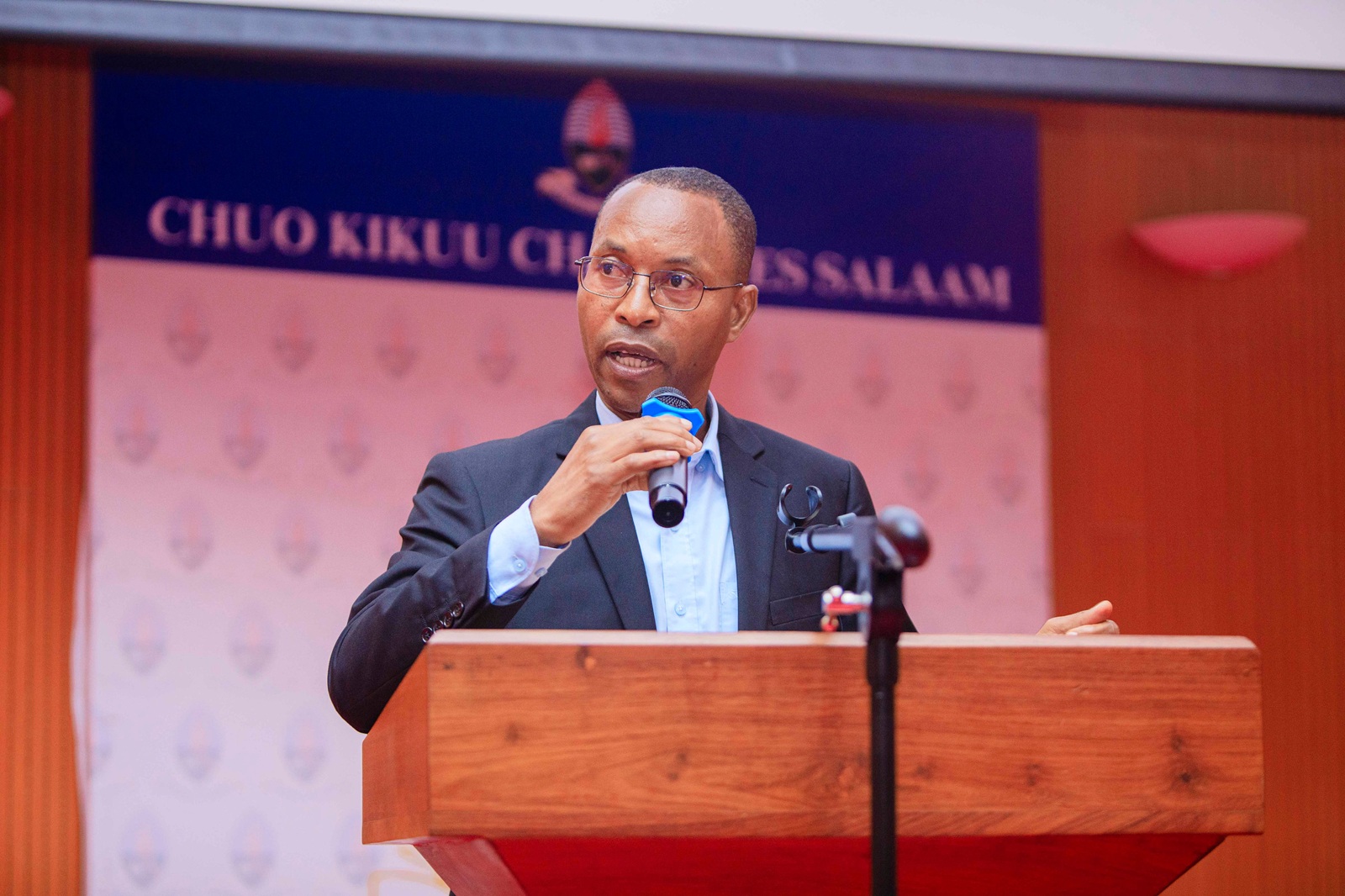
A powerful call to embrace digital transformation and future-proof institutional performance took centre stage at the University of Dar es Salaam Workers’ Council meeting, as Guest of Honour CPA Moremi Marwa urged staff to position the University at the forefront of innovation in an increasingly technology-driven world.
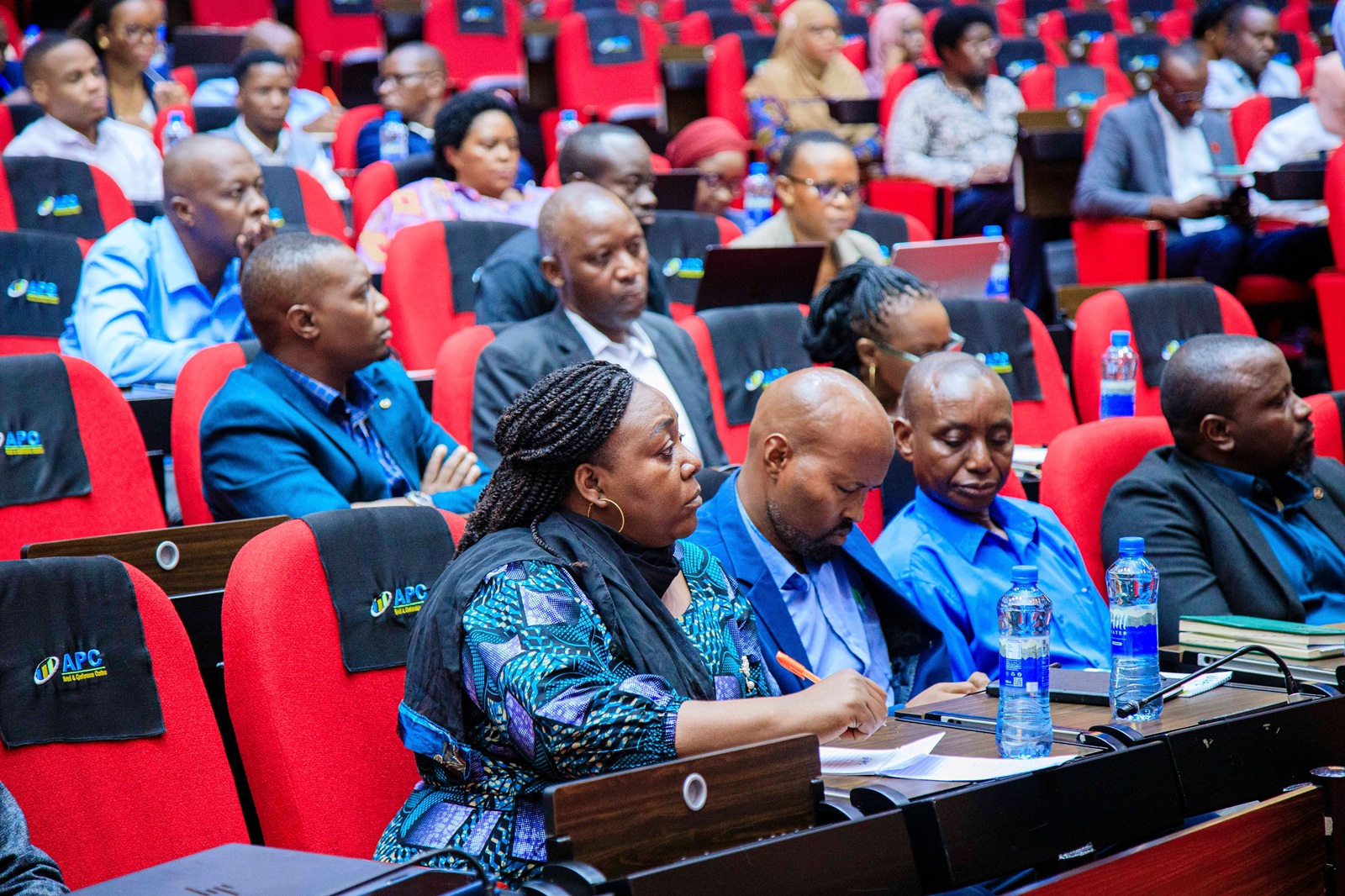
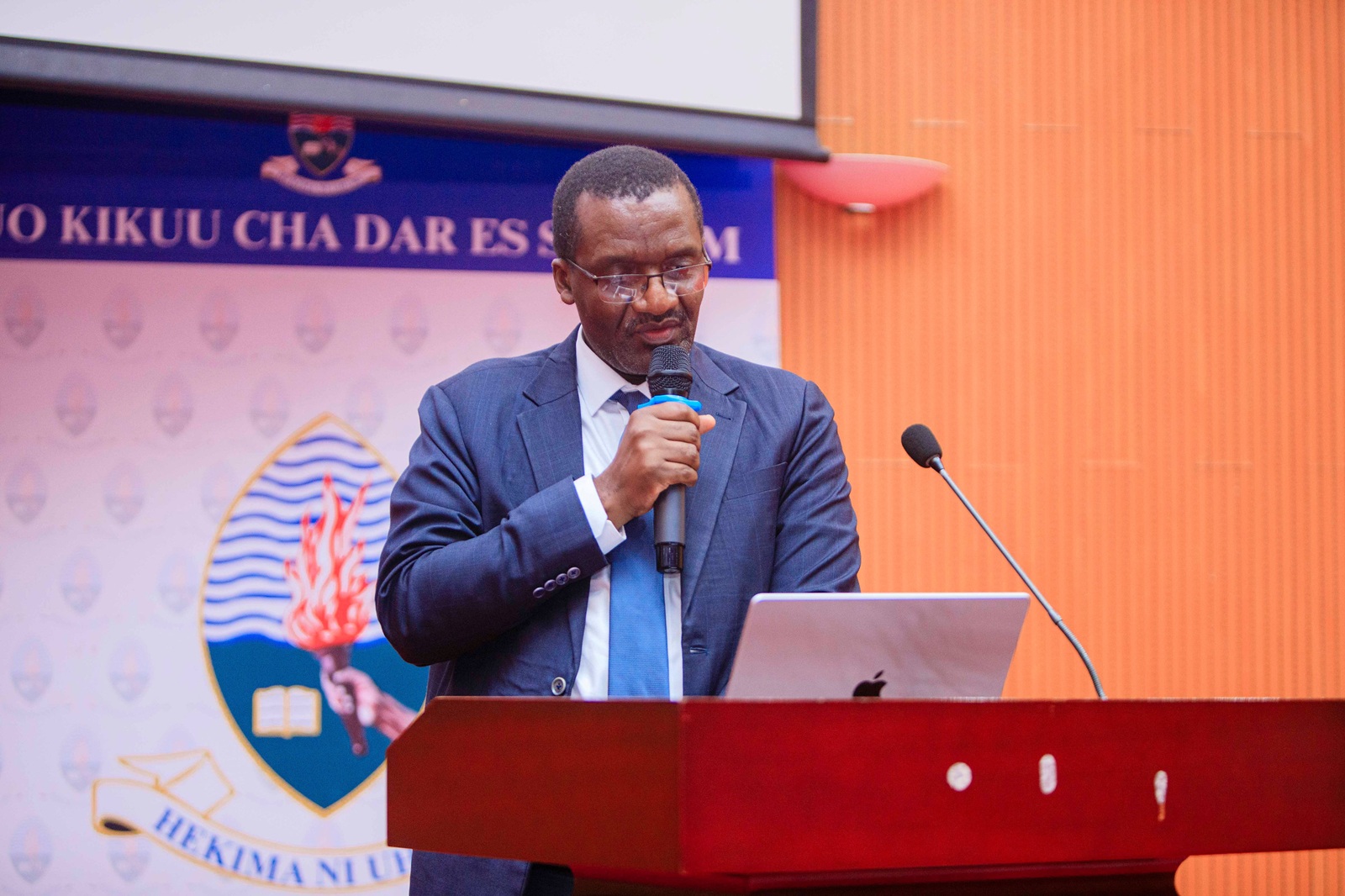
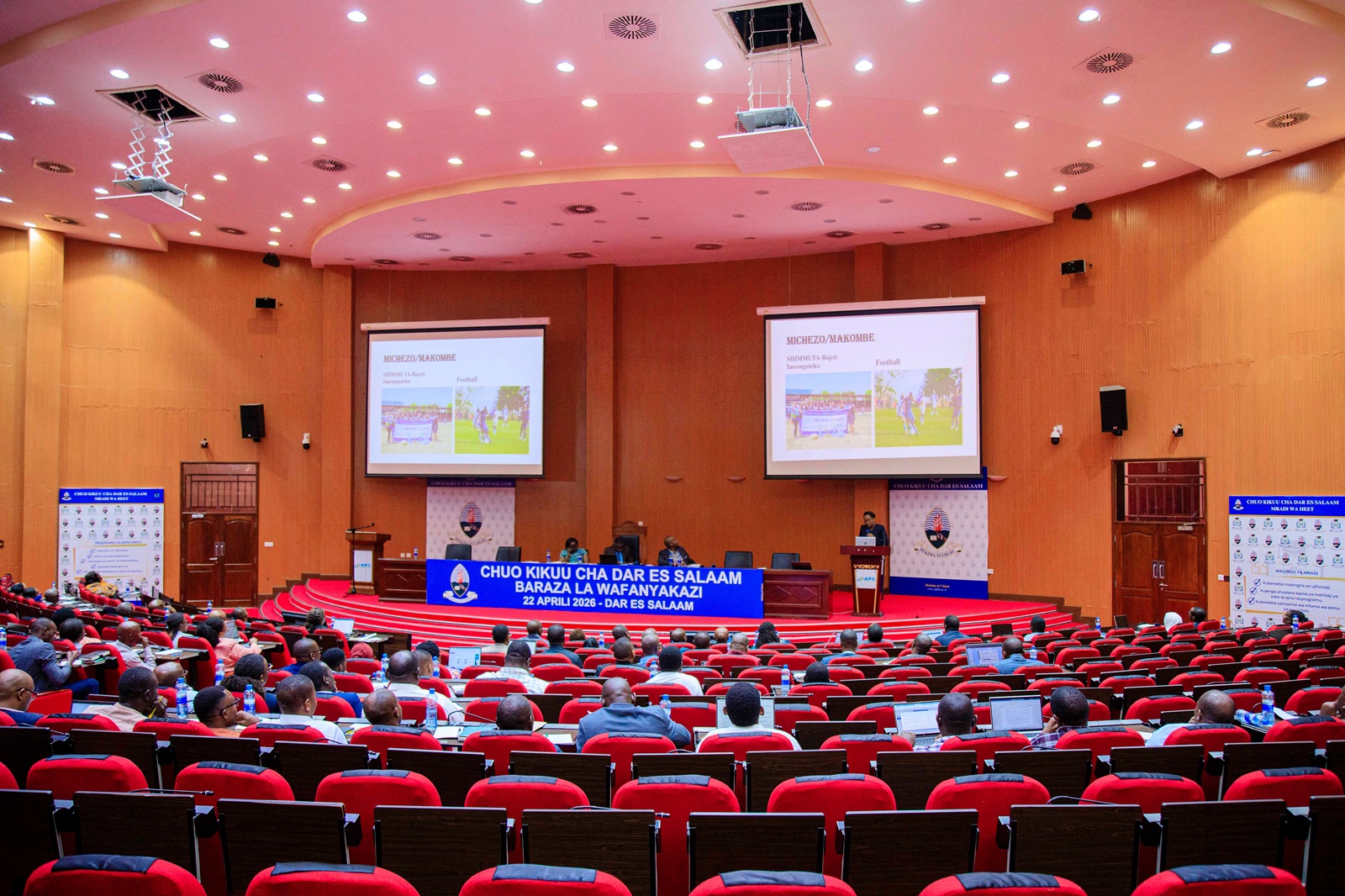
Addressing more than 150 Workers’ Council members, university leaders, and senior administrators at the APC Hall in Dar es Salaam, CPA Marwa, the Deputy Chairperson of the UDSM Council delivered a clear and forward-looking message on the future of higher education.
CPA Marwa emphasized that adaptability, digital competence, and the strategic use of emerging technologies will define institutional success. He singled out Artificial Intelligence (AI) as a critical tool, stressing that universities must move decisively to integrate it into teaching, research, and administrative systems to remain competitive.
“We are operating in a digital era that demands adaptability. Artificial Intelligence is no longer optional; it is a necessity for efficiency, competitiveness, and institutional growth”, he emphasized noting that the University’s next phase of growth will depend on how boldly it embraces innovation and technological change.
His remarks set the tone for a high-level engagement that not only reviewed the University’s recent achievements but also mapped out an ambitious vision for sustained growth, improved service delivery, and global competitiveness.
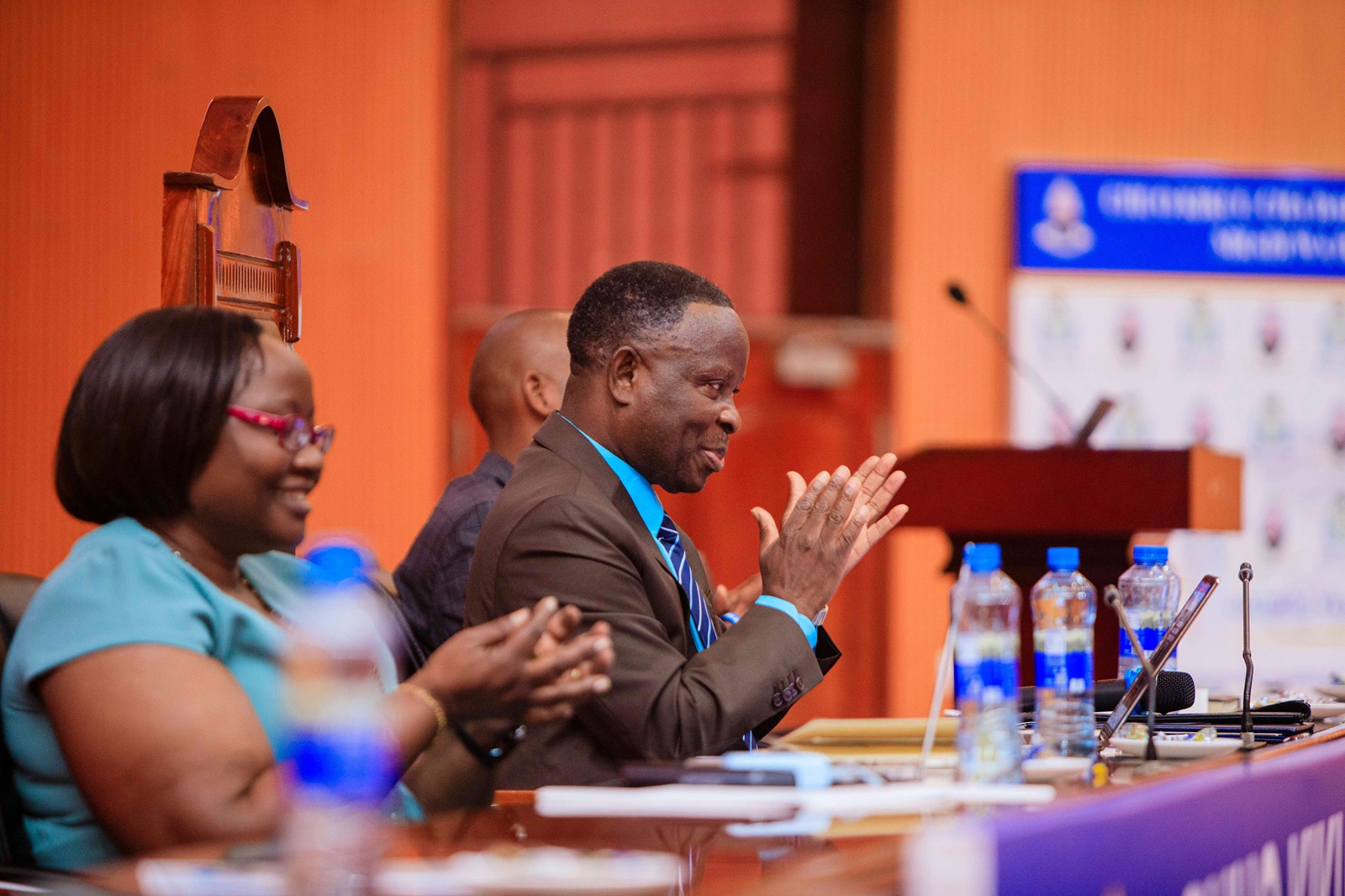
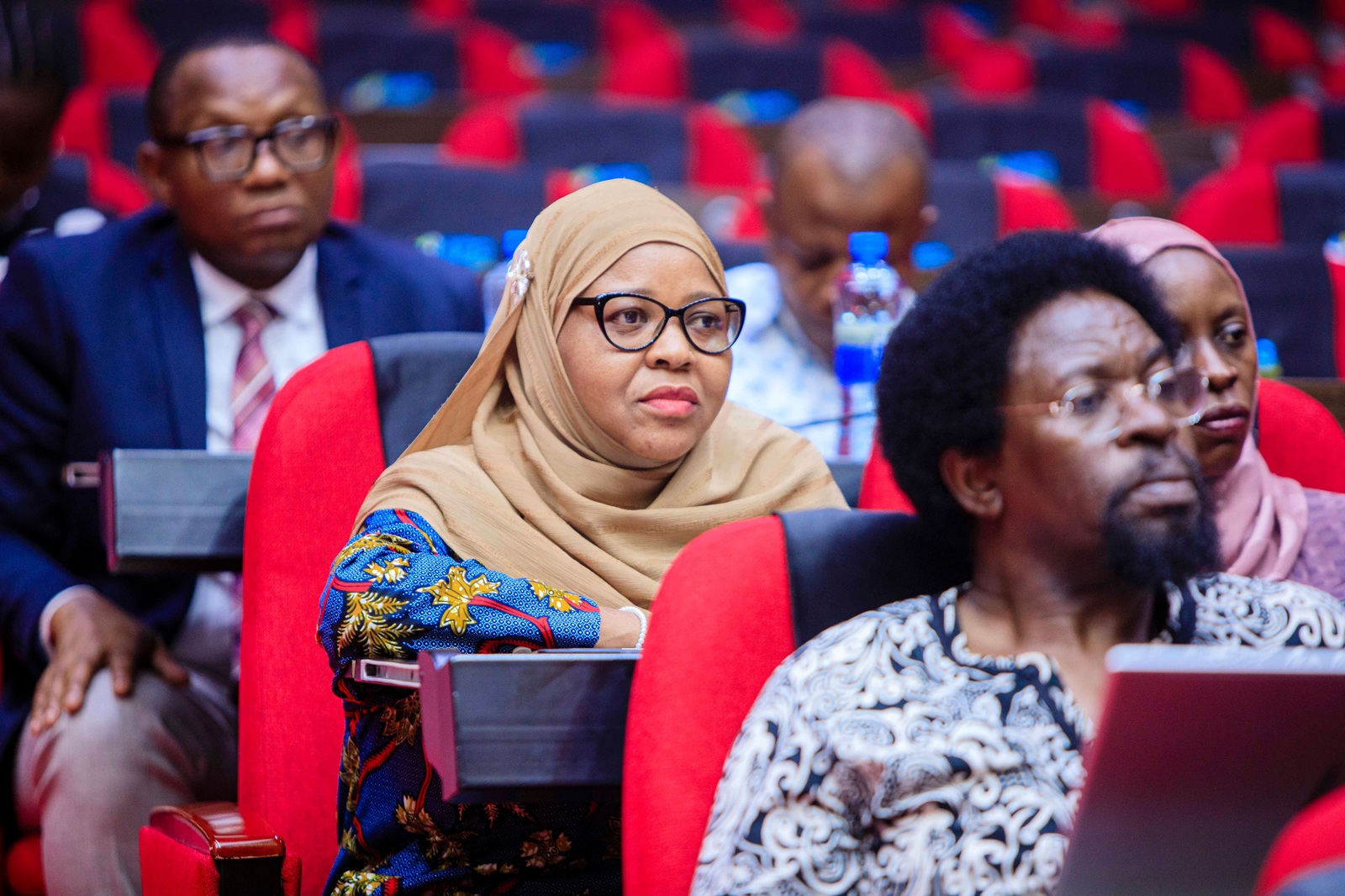
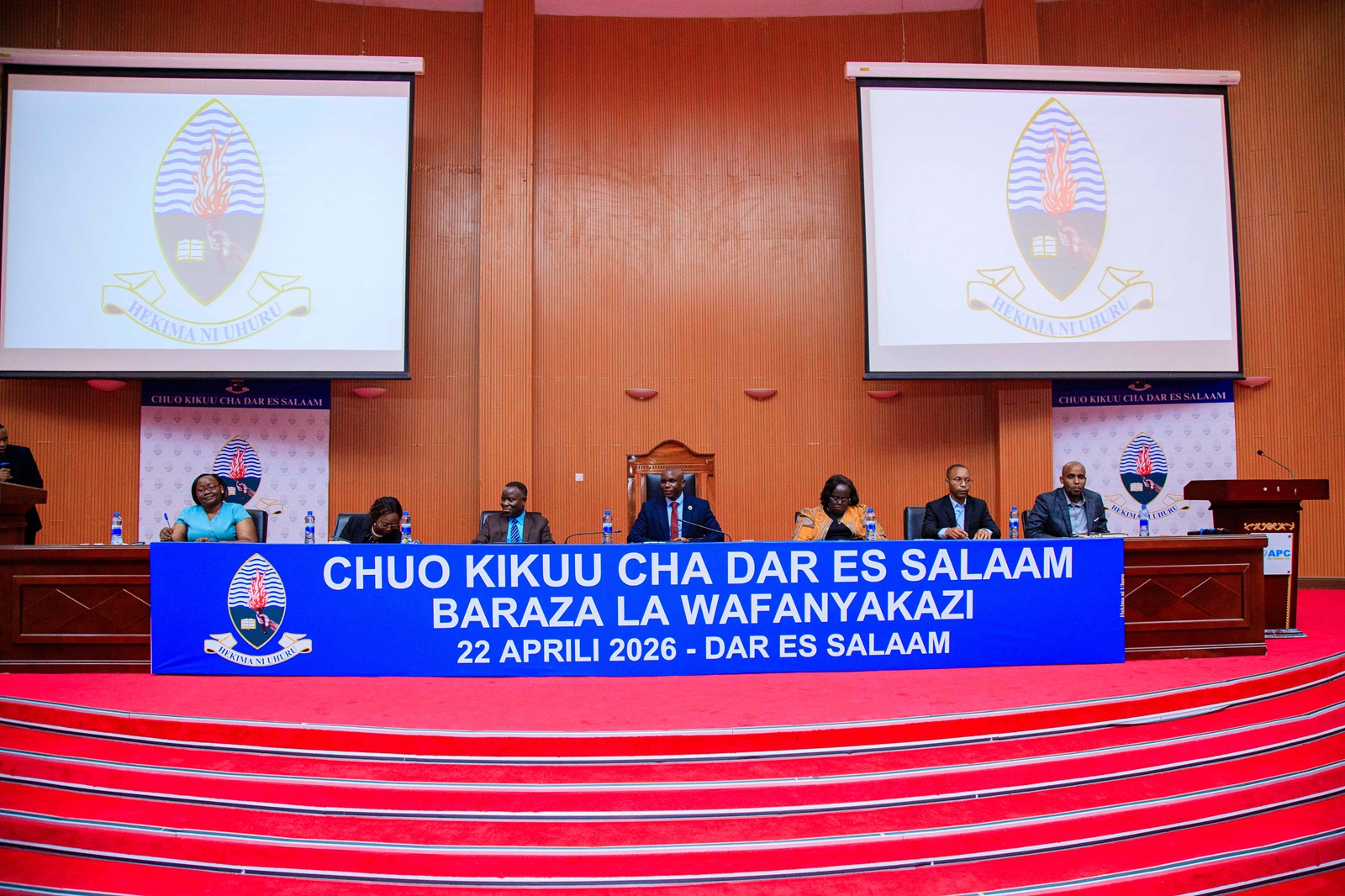
The meeting, which brought together deans, principals, directors, management, and other workers council members from various units, served as a strategic platform for reflection and alignment on institutional priorities.
At its core was a comprehensive address by the Vice Chancellor, Prof. William Anangisye, who highlighted significant progress made over the past five years.
He pointed to strengthened governance systems, improved financial discipline, and expanded staff welfare initiatives as key milestones underpinning the University’s transformation. These gains, he noted, have enhanced accountability and operational efficiency across the institution.
“The progress we are witnessing today is a direct result of your dedication and discipline. As we move forward, we are focusing on strengthening innovation, improving services, and ensuring that UDSM remains globally competitive”, he said.
Aligning systems for impact
The Deputy Vice Chancellor for Planning, Finance and Administration, Prof. Bernadeta Killian, underscored the importance of coordination and shared purpose in driving institutional success.
“This meeting is not only about reporting, but about aligning our efforts and ensuring that every unit contributes effectively to the University’s vision,” she noted, as directors from key departments presented updates on performance and priorities.
The Directorate of Finance, represented by Mariam Mwanga on behalf of the Director, CPA Juma Silayo, outlined ongoing efforts to strengthen financial systems and accountability frameworks, reinforcing transparency and prudent resource management.
From the Procurement Management Unit, Mr. Paul Riziki, representing Ms. Janeth Mwamwenda, highlighted continued improvements in efficiency, compliance, and value-for-money procurement practices—key pillars in sustaining institutional growth.
A strong emphasis on staff wellbeing emerged throughout the meeting. The Director of Social Services, Dr. Lulu Mahai, detailed enhancements in healthcare access, insurance coverage, counselling, and mental health support, alongside improvements in campus security and sports programmes.
“Staff wellbeing is central to institutional performance. We are strengthening both physical and mental health support systems”, she stressed.
Complementing this, Dr. Wilfred Msasu reported on the growth of the University hospital, including its elevation to district hospital status and expanded service delivery capacity.
“Our goal is to provide accessible, high-quality healthcare services that meet the evolving needs of the University community,” he said.
Technology and infrastructure drive transformation
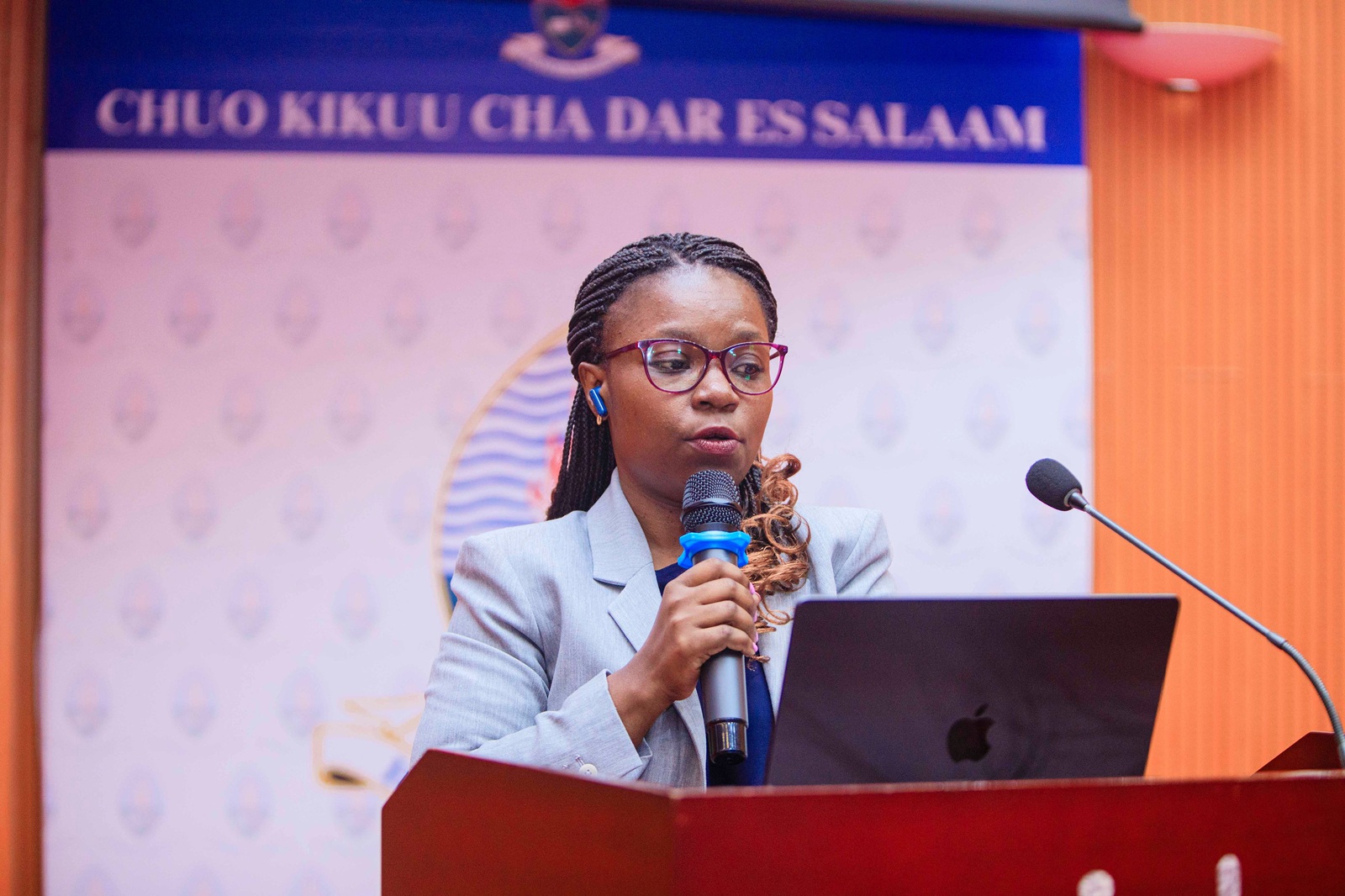
On the digital front, Director of ICT, Dr. Salome Maro, highlighted significant investments in ICT infrastructure aimed at enhancing teaching, research, and communication systems.
“We are investing in robust ICT systems to support digital learning, research excellence, and efficient communication,” she explained—an agenda that closely aligns with CPA Moremi’s call for accelerated adoption of AI and digital tools.
Meanwhile, the Acting Director of Estate Services, Dr. Daudi S. Augustino, outlined ongoing efforts to improve infrastructure development and service responsiveness across the University’s growing campuses.
Human capital development also featured prominently, with the Director of Human Resource Management and Administration, Ms. Hilda Kinanga, presenting updates on staff recruitment, retention, and development strategies.
Encouraging optimism and continued commitment, she remarked, “Tuendelee kula mtori, nyama ziko chini—there is more ahead, and the University is working towards better opportunities for all staff.”
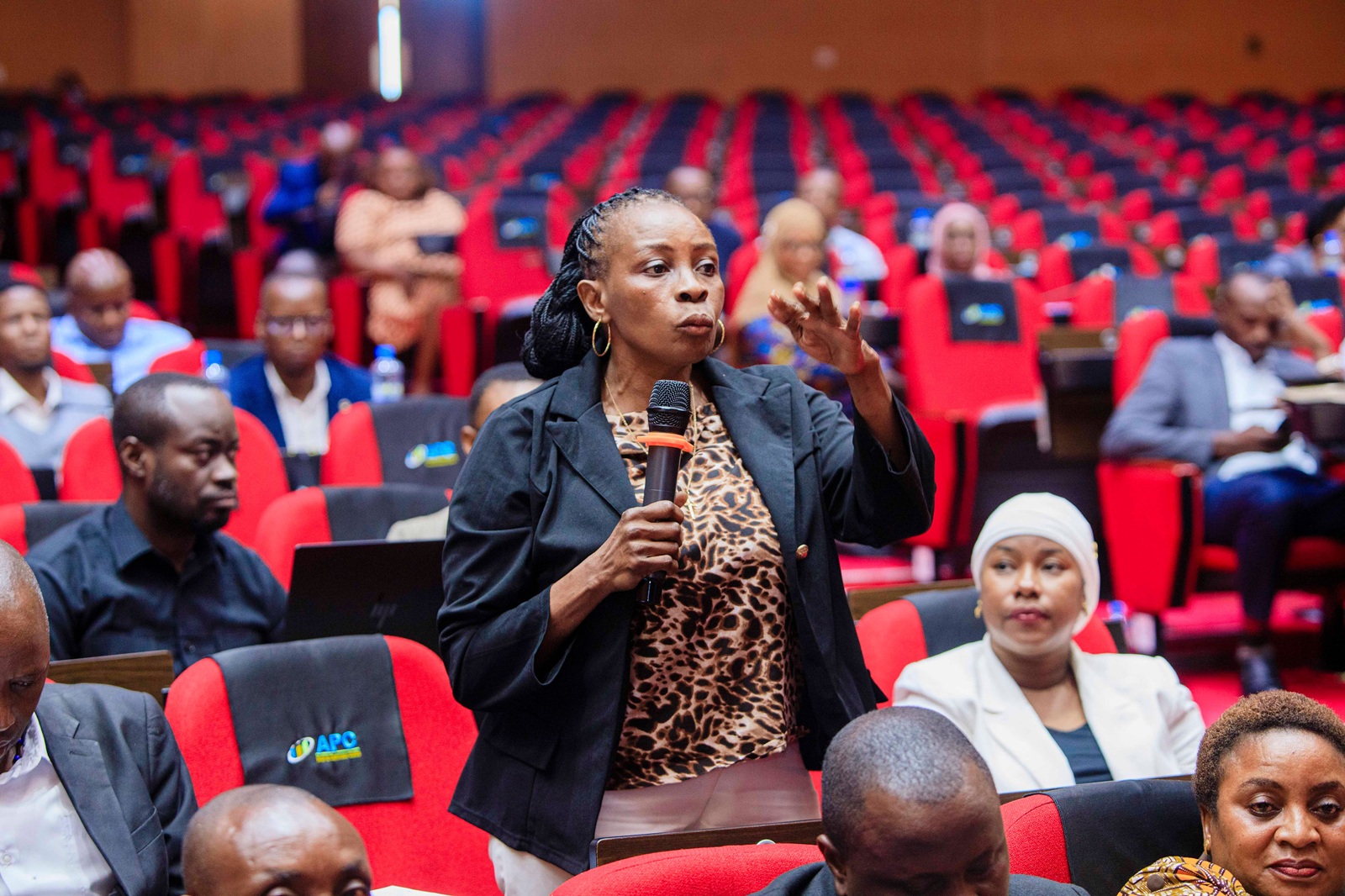
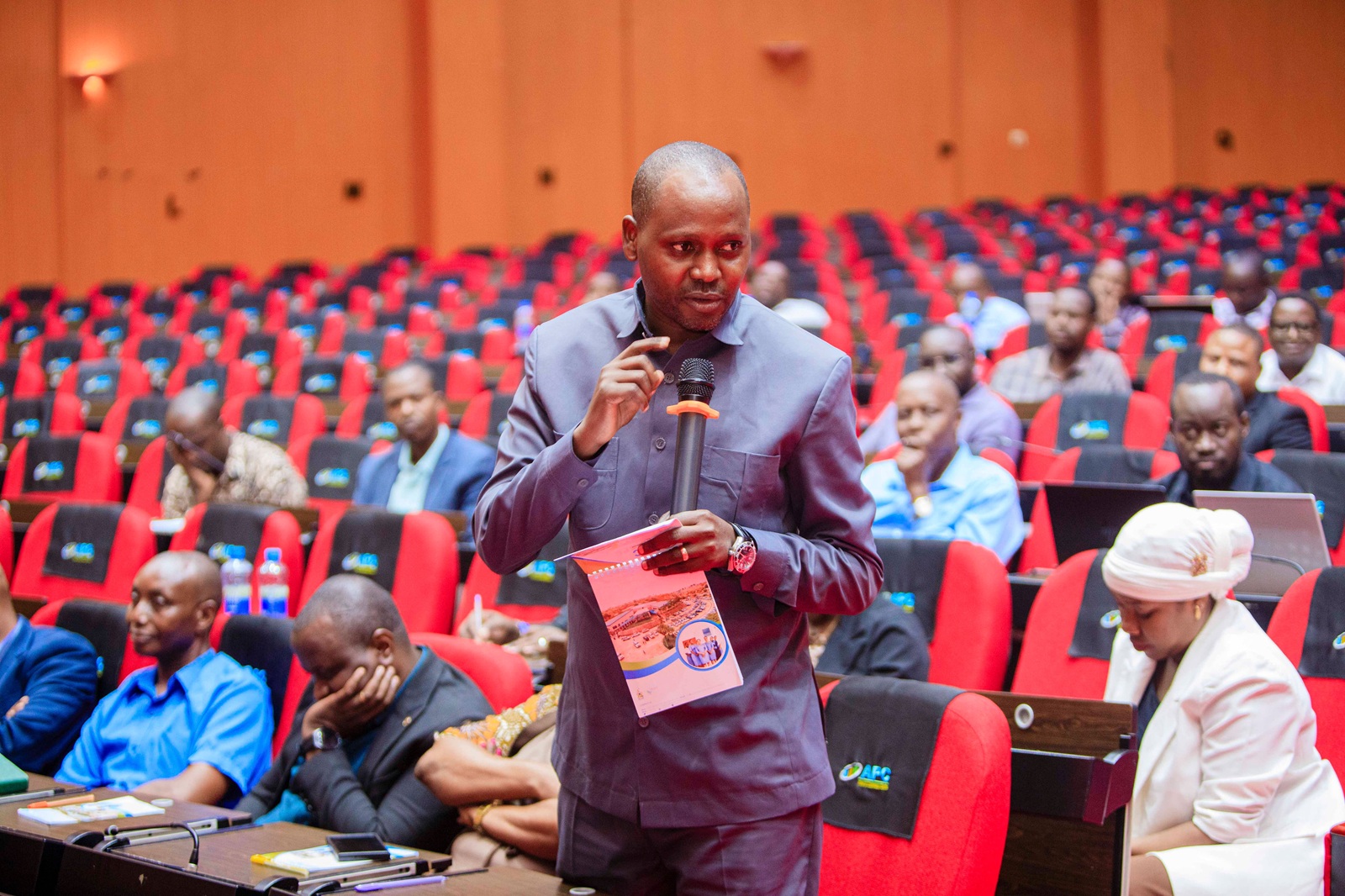
The meeting, through an interactive session, allowed Workers’ Council members to engage directly with management. Contributions from staff representatives reflected appreciation for the transparency and inclusiveness of the platform.
“This engagement allows us to better understand the direction of the University,” noted Mr. Ally Mambele, from the Communication and Marketing Unit while Ms. Mwanamkasi Mwaita from the Directorate of Internationalisation, Convocation and Advancement (DICA) commended the institution’s growing focus on staff welfare and working conditions.
Senior leaders in attendance included the Deputy Vice Chancellor – Academic, Prof. Rose Upor, and the Deputy Vice Chancellor – Research, Prof. Nelson Boniface, among others.
More than a routine statutory meeting, the Workers’ Council emerged as a defining moment in UDSM’s transformation journey – reinforcing unity, celebrating progress, and sharpening focus on the future.
With a clear strategy, strengthened systems, and a workforce increasingly aligned to its vision, the University of Dar es Salaam is positioning itself not only as a national leader in higher education, but as a forward-looking institution ready to thrive in the digital age.